Welder-Turned-Lawmaker Warns AI Could Be 'Nuclear Bomb for Work'
Rep. Riley Moore, a West Virginia Republican and former welder, tells labor groups that AI should serve as a 'force-multiplier' for blue-collar workers rather than replace them, while warning of risks to trucking and debating data center impacts in his district.
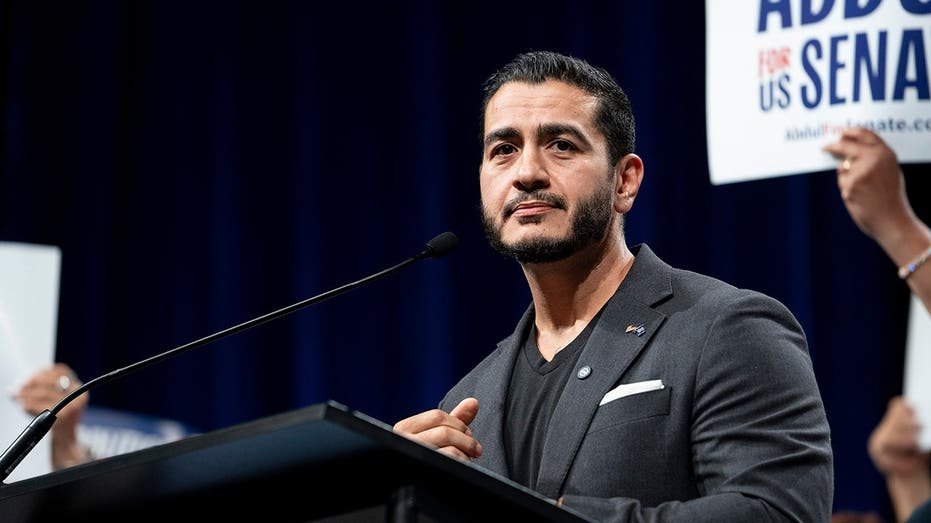
Rep. Riley Moore, a West Virginia Republican who spent years as a welder on Appalachian mining operations, is urging Congress and labor groups to treat artificial intelligence as a tool to strengthen blue-collar work rather than eliminate it. In an exclusive interview, Moore said AI represents both a massive opportunity for manufacturing and a potential «nuclear bomb for work as we know it.»
Moore, whose district includes major commercial corridors like Interstates 79 and 81 and the newly opened Trans-Allegheny U.S. 48, has taken that message directly to the Teamsters and other labor stakeholders. He argues that if AI can complement blue-collar labor instead of replacing it, it could be a game-changer for the U.S. economy and its workers.
«I think AI certainly has the ability to extend the longevity of a worker in a particular trade. It can also make those jobs safer. It can extend the time period in which somebody can work without injury. And it can also create better efficiencies, which then can also [create] better paying jobs here in this country,» Moore said.
But he warned of the opposite scenario: «Or, it's the nuclear weapon [against] work, it could potentially eliminate jobs as we know it and get rid of what is really critical, I think, to being a human being: which is human purpose, which work is certainly part of that and the dignity of work and contributing to civil society.»
Moore's background gives him a unique perspective on the debate. Before entering politics, he worked as a welder, and his mother's family were all welders. He now represents a state still closely tied to mining and manufacturing, where the arrival of AI is being watched with a mix of hope and anxiety.
The lawmaker has spoken with and met with the Teamsters as unions grapple with AI's potential effect on their workers. A Teamsters spokesperson declined additional comment but praised Moore's appearance at the event.
On the specific issue of trucking, Moore draws a clear line. He opposes automated trucking but supports using AI as a «co-pilot» to make roads safer and drivers more productive. «I'm against automated trucking, but I am in favor of having AI as part of trucking to make the road safer and keep that driver safer and make them more productive,» he said.
He noted that AI could help protect against drowsy driving and other dangers that come from being inherently human, while keeping the trucker employed. «That creates the types of efficiencies that we're looking for, certainly, but then also respects the dignity of the human being and the worker who is involved in it,» Moore said.
Religious leaders have expressed similar concerns about AI's effect on the dignity of work. Pope Leo XIV's May encyclical considered two biblical models for the AI era: «constructing the Tower of Babel» or following Nehemiah in rebuilding the walls of Jerusalem. «We certainly want to be Nehemiah,» Moore said.
Beyond labor, Moore sees AI as a matter of national security. Using AI to improve workflow efficiencies could raise wages, while U.S. leadership in AI could help counter China's growing dominance in the AI «arms race.»
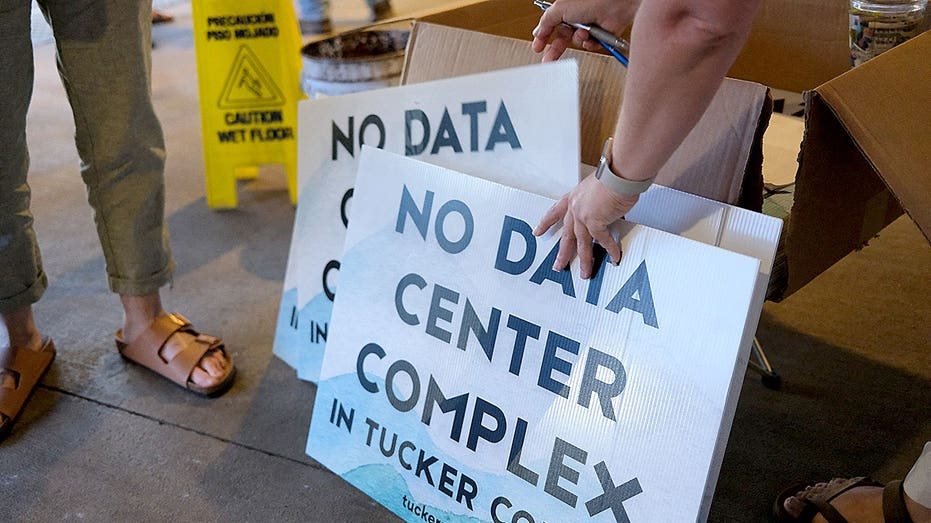
Data centers powering the technology have also become a point of controversy in Moore's district and around the country. In the Eastern Panhandle, within 100 miles of Washington, D.C., and in the high-elevation forests of Tucker County farther west, residents and local leaders continue to debate the arrival of data centers that have already begun proliferating farther east.
Moore said the three important questions are whether data centers will produce their own energy or rely on the local grid, whether they will siphon off public water or use «closed-circuit» cooling, and whether the community wants them there. Fierce debate continues over whether tax revenue from the centers can be balanced with community concerns.
«I think as a Republican, we certainly believe in federalism and allow those communities to be able to have input of whether they're going to have a data center in their backyard or not,» he said.
As Congress and businesses grapple with how quickly AI should reshape the workplace and how much of a role government should play, Moore's message to labor groups is clear: the technology should serve workers, not replace them. He leans toward finding the positives in AI development, but insists that the dignity of work must remain central to the conversation.
8