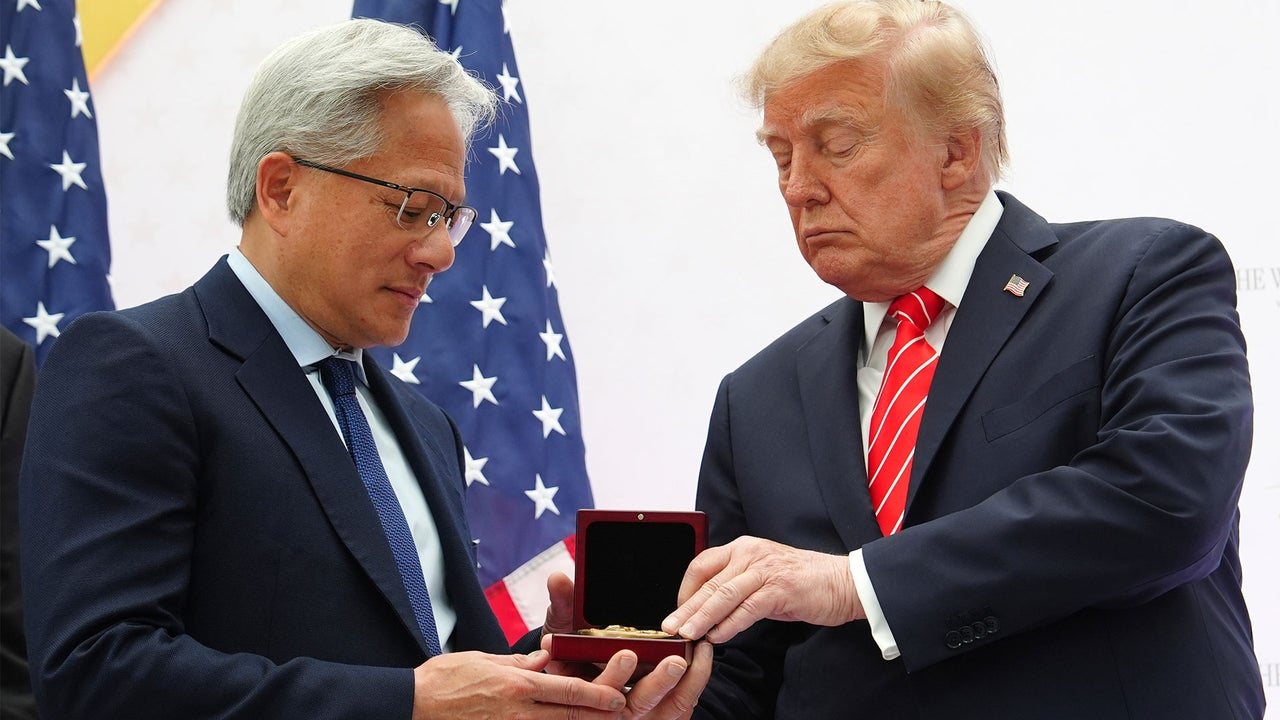
Victims' families praise Trump for criticizing Newsom's death row commutations
Relatives of people killed by death row inmates publicly praised President Trump for criticizing California Governor Gavin Newsom over his commutations of 548 death sentences.
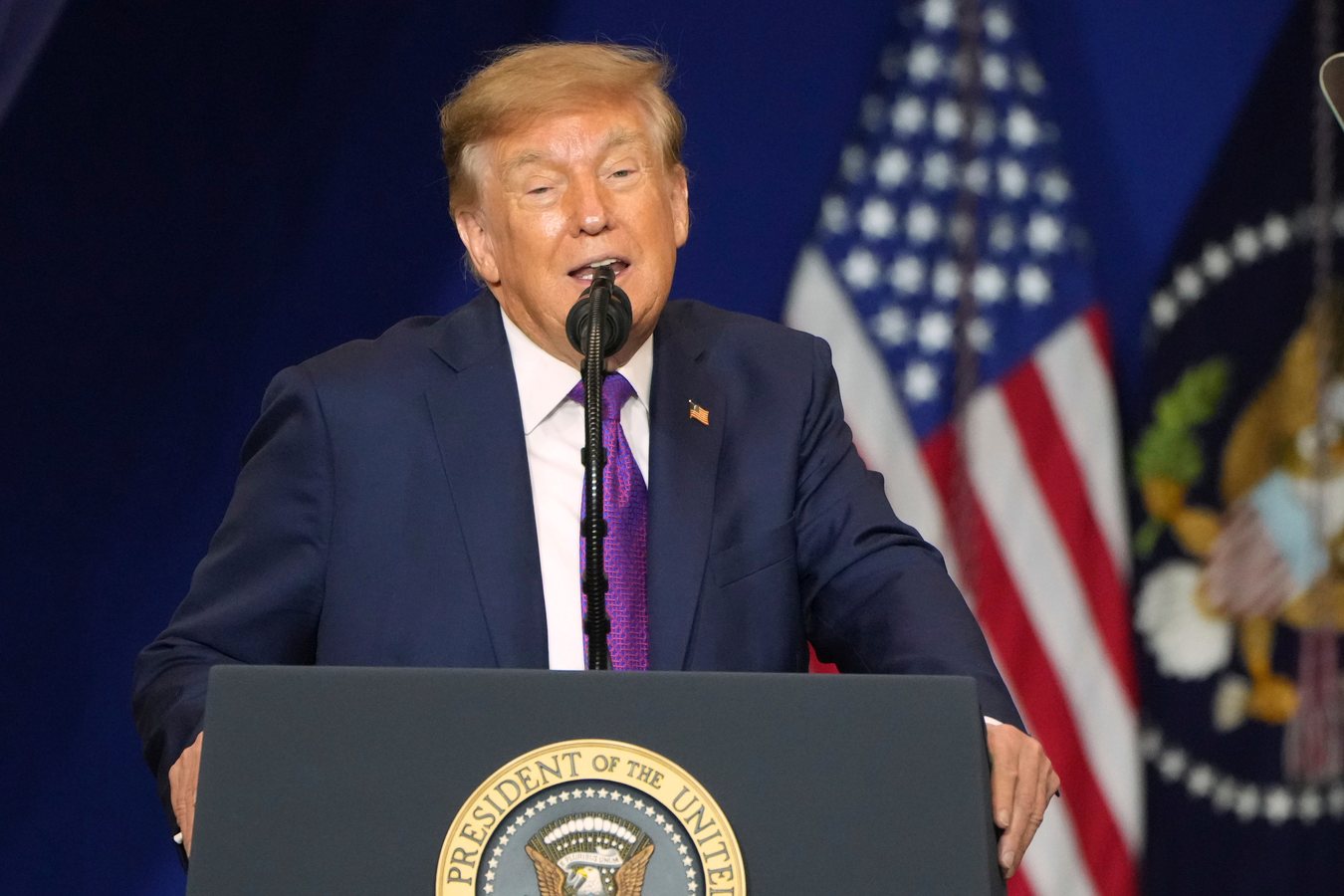
Relatives of people murdered by death row inmates have publicly praised President Donald Trump for criticizing California Governor Gavin Newsom over his decision to commute the sentences of 548 condemned killers. Marc Klaas, whose 12-year-old daughter Polly was kidnapped and murdered in 1993, and the mother of a Pittsburg police officer slain in the line of duty said the president gave them a voice that they say Newsom never did.
The praise followed remarks Trump made at the Justice Department in Washington, D.C., on November 23, 2026, in which he used the setting to attack Newsom's clemency actions. Trump has frequently criticized Democratic governors on crime and public safety, and the commutations gave him a new target. The president's comments put the issue of capital punishment and executive clemency back in the national spotlight, with victims' families at the center of the debate.
Klaas has long been one of the most visible advocates for victims' rights in the United States. His daughter Polly was abducted from her home in Petaluma, California, and her killer, Richard Allen Davis, was later sentenced to death. The case led to widespread public attention and influenced California's three-strikes sentencing law, which Klaas helped promote. For Klaas, the question of how the state treats convicted murderers remains personal, and he has said repeatedly that victims' families should have a meaningful role in decisions about punishment and release.
The mother of the slain Pittsburg officer also framed her support for Trump in terms of being heard. Families of murder victims often say that after a conviction, their voices fade from the public process, while the rights and status of offenders become the focus of policy decisions. In backing the president's criticism, these relatives signaled that they felt Newsom's commutations disregarded the suffering of victims' families.
Newsom has defended his use of clemency, and his office has argued that such decisions are made within the authority granted to the governor under California law. California has maintained a moratorium on executions for years, which has left hundreds of inmates on death row in limbo. Commuting those sentences, as Newsom did, replaced death sentences with life imprisonment without the possibility of parole, a move that drew sharp responses from prosecutors, victims' advocates and political opponents.
The exchange highlights the deep divisions over capital punishment in the United States. Supporters of the death penalty argue it delivers justice for the most serious crimes and gives closure to families. Opponents contend it is costly, prone to error and unevenly applied. Trump's comments at the Justice Department placed the dispute squarely in a federal political arena, while the testimony of the families gave the criticism a human face that is likely to remain central to the debate.
Source: nypost.com
23