Trump administration weighs strikes on top Iranian leaders to end war
Senior Trump administration officials have revived internal talks about targeting Iran's top leadership, a move some believe could push Tehran toward ending the nine-month conflict.
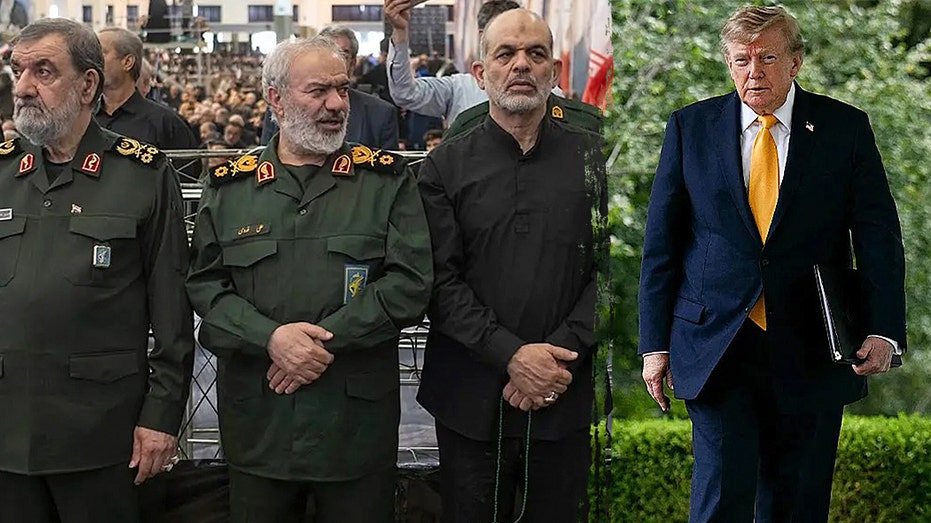
The Trump administration has renewed internal discussions about striking senior Iranian regime leaders, a step some officials believe could bring the ongoing war to an end. According to NBC News, which cited a U.S. official and another source, the idea is to show Tehran that Washington can locate and strike its leadership at any time, adding pressure to end the conflict.
The option has been under consideration for some time, but it has been «under renewed discussion in recent weeks» as President Donald Trump weighs the next phase of the war, the outlet reported. NBC News did not identify any officials as specific targets of the operations being discussed. Administration officials who oppose the proposal have reportedly warned that such strikes could expose American officials to retaliatory attacks, harden the resolve of surviving regime figures and undermine future diplomatic efforts to end the conflict, now in its ninth month.
The debate comes against the backdrop of a conflict that began with U.S. and Israeli strikes in late February that killed Iran's Supreme Leader, Ayatollah Ali Khamenei, along with other senior military and intelligence officials. The fighting has centered on Tehran's nuclear program, its ballistic missile capabilities and its regional military activities. Khamenei's son, Mojtaba Khamenei, succeeded him as supreme leader. He was reportedly injured in the strikes that killed his father and has not been seen publicly since taking power, though he has warned Washington and Jerusalem against resuming major attacks on Iranian leadership.
Other figures in Iran's military and security establishment named in the reporting include Islamic Revolutionary Guard Corps commander Ahmad Vahidi, armed forces chief of staff Ali Abdollahi, army chief Amir Hatami and Mohsen Rezaei, a former IRGC commander reportedly appointed secretary of Iran's Supreme National Security Council. Mojtaba Khamenei reportedly met with Abdollahi, Hatami and Vahidi before issuing a warning that, if enemies launch new military or terrorist attacks, Iran's armed forces and nation would determine the time and conditions for ending them. On Oct. 31, he had also directed the armed forces to prepare an «immediate, impactful and geographically unrestricted response» to any future threats.
The discussions also unfold alongside other pressure points. Reports have cited the possibility that Iran could be developing a radioactive «dirty bomb» and U.S. intelligence assessments of potential Iranian plots involving chemical weapons against senior officials in Washington. Trump told reporters at the White House on Nov. 20 that the United States knows «what's happening in Iran» and would not allow such plots to proceed.
A White House official told Fox News Digital on Tuesday that the United States holds a strong position, pointing to its control of the Strait of Hormuz and what it described as a collapsing Iranian economy. The official said the naval blockade, referred to as Operation Economic Outcast, and the newly formed Task Force Iron Gate would continue in full effect, and that the president would make the best possible decision to ensure Iran never possesses a nuclear weapon. The administration continues to weigh its military options as the conflict drags on.
Source: foxnews.com
13