Trump and Musk Are Talking Again. Their Alliance Has Survived Almost Everything
A decade of criticism, money, access, DOGE, a spectacular feud and a slow reconciliation has brought Donald Trump and Elon Musk back into regular contact.
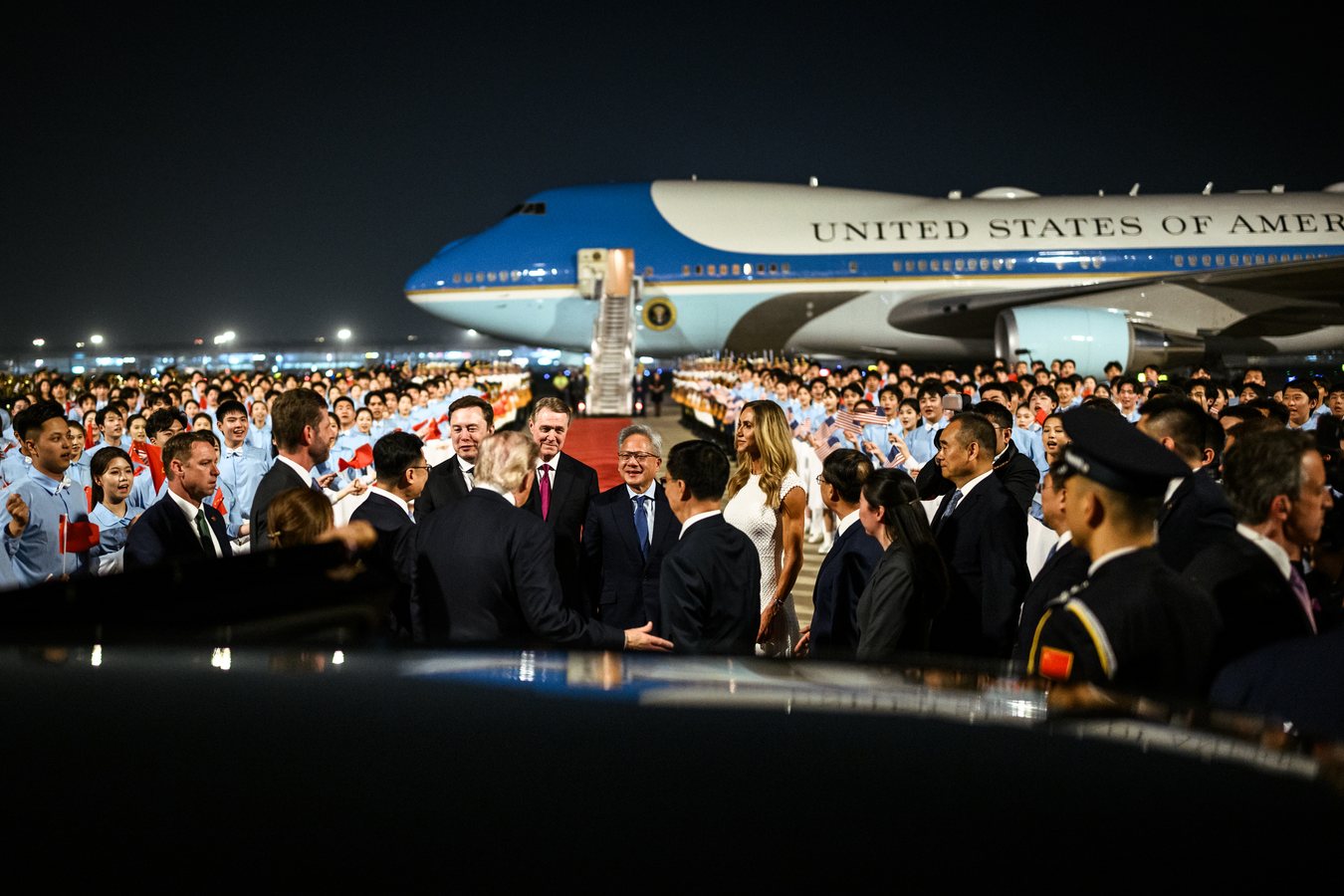
The most revealing scene in the latest phase of Donald Trump and Elon Musk’s relationship did not happen on X or at a rally. It happened aboard Air Force One in May 2026, on the way to Beijing. Nearly a year after the two men publicly detonated their alliance, Musk was traveling with the president again, talking about American factories, space launches and the midterm elections. The White House later photographed Trump introducing Musk to Chinese officials. Today, according to The Wall Street Journal, they speak roughly once a month about artificial intelligence, China and world affairs.
That would have been hard to predict from the beginning. In November 2016, Musk said Trump was not the right person to be president and questioned whether his character reflected well on the United States. After Trump won, Musk nevertheless joined business advisory councils, arguing that access gave him a chance to press issues such as climate policy and immigration. The arrangement ended in June 2017, when Musk quit after Trump withdrew the United States from the Paris climate agreement.
By 2020, the relationship had warmed. Trump praised Musk as one of America’s great innovators and publicly backed him during Tesla’s fight with California authorities over reopening its Fremont factory during pandemic restrictions. Then came another reversal. In 2022, Trump called Musk a “bullshit artist” amid a dispute over his voting history. Musk responded that it was time for Trump to hang up his hat and sail into the sunset.
Musk was still not a Trump loyalist in 2023. He hosted Ron DeSantis’s presidential campaign launch on Twitter Spaces while the Florida governor was seen as Trump’s most serious Republican rival. The decisive change came after the July 13, 2024 assassination attempt in Butler, Pennsylvania. Musk publicly endorsed Trump for the first time. A month later, he hosted Trump for a friendly two-hour conversation on X and pitched a government-efficiency commission. By October, Musk was onstage at Trump’s return rally in Butler.
The alliance then acquired money and institutional power. Musk spent at least roughly $250 million supporting Trump and allied Republican efforts in 2024. After the election, Trump announced that Musk and Vivek Ramaswamy would drive the DOGE project. Once Trump returned to office, Musk became a White House employee and senior adviser. A later court filing drew an important legal line: Musk was not the administrator of the U.S. DOGE Service and had no independent formal authority to make government decisions.
Publicly, however, the two looked extraordinarily close. In March 2025, Trump turned the White House grounds into a Tesla showcase and said he would buy one of the company’s cars. On May 30, he held an Oval Office farewell event with Musk as the billionaire’s period of intense government service wound down. Less than a week later, the partnership collapsed.
Musk attacked Trump’s signature tax-and-spending bill as fiscally reckless. Trump threatened to terminate government contracts and subsidies benefiting Musk’s companies. Musk backed a call for impeachment, claimed Trump would have lost the election without him, and briefly threatened to decommission SpaceX’s Dragon spacecraft before reversing himself. He also posted an unsubstantiated claim tying Trump to the handling of Jeffrey Epstein-related files, then deleted it. The post was not evidence of criminal involvement by Trump. On June 11, Musk said he regretted some of his posts and that they had gone too far.
The breakup did not end there. In July, Musk announced an “America Party,” presenting it as an alternative to the two-party system. But the project faded as private channels reopened. Vice President JD Vance and White House chief of staff Susie Wiles helped keep communication alive. Trump and Musk shook hands at Charlie Kirk’s memorial in September 2025. Musk attended a White House dinner in November. In early 2026, he gave $10 million to major Republican congressional fundraising groups.
Now Musk’s America PAC is preparing to spend at least $100 million on Republican turnout efforts for the midterms. Musk says he got “a little too involved in politics,” and Trump has privately told aides the relationship will never be as close as it once was. That may be exactly why the new version has a chance to last. It is less about public friendship and more about mutual utility. The next test arrives in November: whether a partnership rebuilt around elections, technology and access can survive the kind of disagreement that destroyed the first one.
89