Sophie Cunningham's Refusal to Apologize Highlights Growing Debate Over Athletes and Outrage Culture
Indiana Fever guard Sophie Cunningham refused to back down after criticism for her stance on transgender athletes in women's sports, while other sports figures like Chris Simms have issued apologies for controversial comments. The contrast has sparked a broader conversation about athletes caving to online outrage.
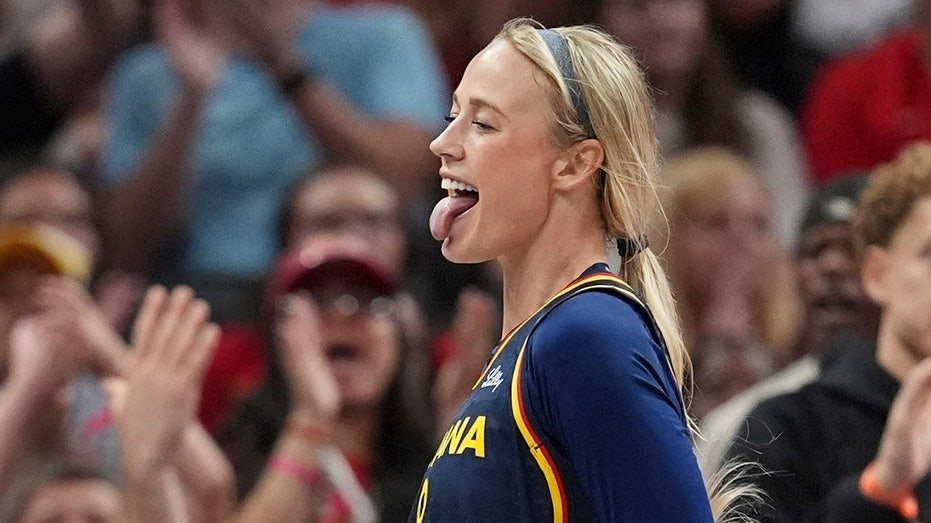
Indiana Fever guard Sophie Cunningham is drawing attention for her refusal to apologize after facing intense criticism for speaking out against biological males competing in women's sports. Her stance, which earned her the nickname «MAGA Barbie» and prompted boos in cities like Seattle, did not lead to a retraction. Instead, Cunningham doubled down with an Instagram post declaring she was not backing down for anyone, writing «I said what I said.»
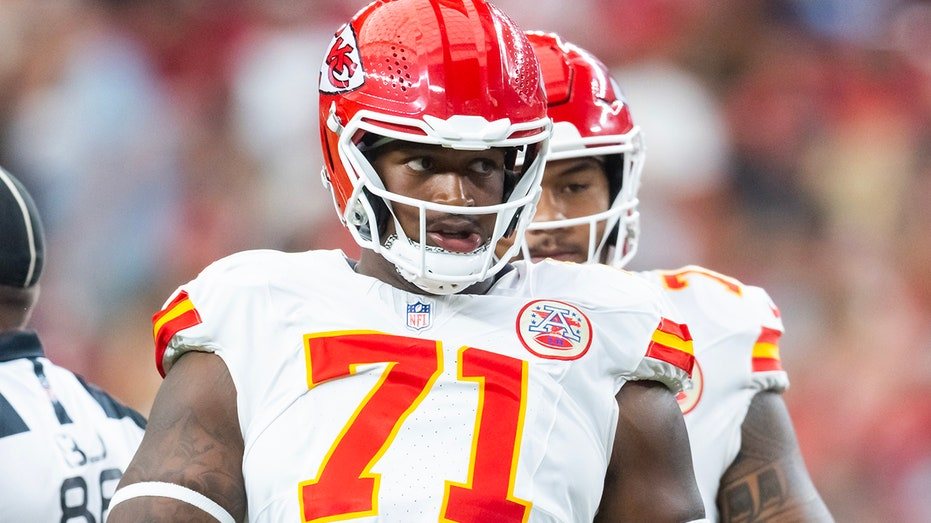
That approach stands in sharp contrast to other sports figures who have recently issued apologies after facing online backlash. NBC Sports football analyst Chris Simms apologized Sunday for comments he made during a broadcast about Oregon quarterback Dante Moore's injury. After Moore was knocked out of Saturday's game due to a helmet-to-helmet hit by USC's Desman Stephens II, Simms described the injury as a «Debbie Downer» moment because fans want to see teams at full strength. He also shared advice his father gave him about getting down in time to avoid big hits and noted that Moore's late slide put Stephens in a «no-win situation.»
Simms, an ex-football player, was analyzing the game as an analyst is paid to do. But after Oregon fans expressed outrage, he took to social media to write: «I clearly did not show enough sympathy for the situation. I mishandled the situation and I was wrong. I'm sorry for that.»
The pattern of sports figures apologizing for reasonable comments appears to be growing. Earlier this month, Texas quarterback Arch Manning laughed at an AI meme of ESPN reporter Holly Rowe getting slapped by Longhorns coach Steve Sarkisian. He was shamed into apologizing two days later. In July, Sandy Brondello, coach of the WNBA's Toronto Tempo, wanted a foul called on Atlanta's Angel Reese and could be heard telling referees that Reese was a «protected species.» The phrase is common in Australia, Brondello's home country, where it expresses frustration over a player getting special treatment. Brondello still issued a written apology to Reese, saying «I used a phrase that I shouldn't have used, and I take full responsibility for that.»
Last year, Lions receiver Amon-Ra St. Brown apologized after doing the Trump dance following a touchdown against the Commanders. «First of all, if I offended anyone, I do apologize. I did not mean to offend anyone. It was just, we're having fun,» he said.
Critics argue that these apologies erode the dignity of sports figures and cost them public respect. The outrage mob, as it is often called, sees those who fold as people who will cave again the next time pressure is applied. Meanwhile, supporters who would have stood by them if they held firm now see a spineless pushover.
This does not mean people should never apologize. During his time in Seattle, Richard Sherman was infamous for his inability to take accountability for wrongdoing. That is also a form of weakness, just wearing a different costume. But surrendering when you have done nothing wrong is not noble — it is nauseating.
People like Cunningham understand this. Charles Barkley, too. The Hall of Fame basketball player is on record saying trans athletes do not belong in women's sports, and the blowback has been almost nonexistent because everyone knows he will hold firm in his position. That is the power of integrity.
The vocal minority should not have the influence it does, yet it regularly turns titans of the sports world into mush. The choice, as some put it, is between being like Chris Simms, who gave in to the mob, or being like Sophie Cunningham, who decided to stand up to it. For Cunningham, that choice was clear.

7