State Department shifts diplomat hiring and promotion away from DEI
The Foreign Service is being rebuilt around a sharper merit standard, with new testing and training rules, while federal anti-discrimination protections remain in force.
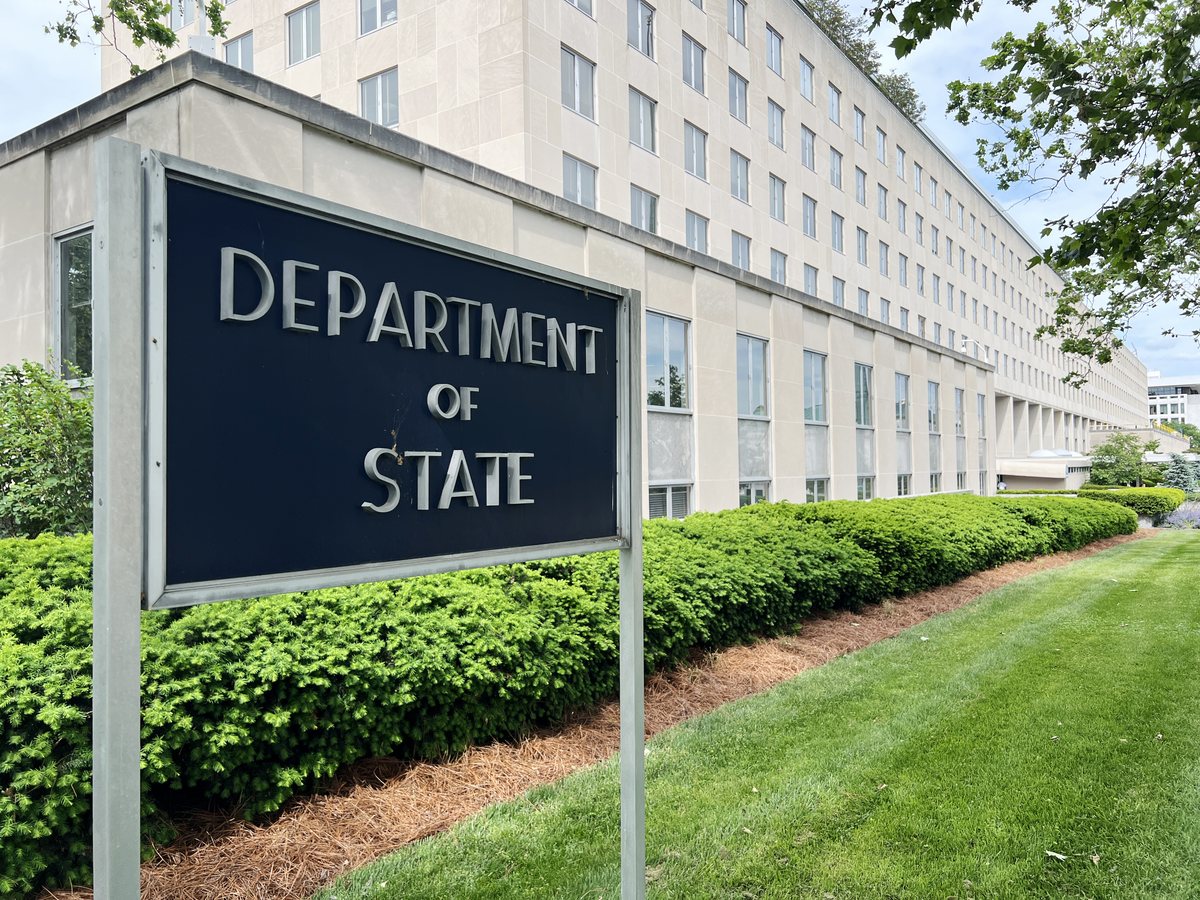
The State Department is reshaping how the United States recruits, trains and promotes its diplomats, stripping DEI and DEIA out as stand-alone personnel priorities while placing greater emphasis on individual merit, job-related skills and performance. The change reaches from the Foreign Service entrance process to promotion rules for career officers and reflects a broader Trump administration effort to dismantle federal diversity, equity and inclusion programs.
The policy foundation was laid in March 2025, when a White House memorandum ordered the secretary of state to remove the Diversity, Equity, Inclusion, and Accessibility Core Precept from the 2022–2025 Foreign Service tenure and promotion criteria. The directive said foreign-policy personnel decisions should be based on merit and should not distribute opportunities according to protected characteristics. A separate government-wide order had already instructed agencies to end DEI and DEIA mandates and review related training and employment practices.
By 2026, the shift had become visible to people applying to join the Foreign Service. The State Department’s current careers page describes its revised Foreign Service Officer Test as part of a merit-based selection process. The department added a logic-and-reasoning component, discontinued the situational-judgment section and removed personal narrative essays. It also says the job-knowledge and English portions have been aligned more closely with the requirements of diplomatic work.
Training has been reworked as well. The department announced a stronger focus on American history, diplomatic theory, economic statecraft, strategic competition, public speaking, negotiation and leadership. The administration presents that curriculum as a way to replace what it regards as bureaucratic or ideological content with tradecraft and a clearer understanding of U.S. national interests.
The most contentious claim involves promotions that already occurred. In an official LinkedIn post, the State Department said an internal study found that 295 Foreign Service officers lost promotion opportunities in 2024 after DEI was embedded in the process. The department said it would provide restitution and evaluate affected employees based on past performance. That number is a departmental finding; the public messaging has been much more detailed about the conclusion than about the methodology used to identify the 295 cases.
Career diplomats and their professional association have pushed back on parts of the administration’s framing. The American Foreign Service Association welcomed the resumption of recruiting but noted that American history, diplomacy and negotiation have long been part of Foreign Service preparation. AFSA also questioned the contention that the previous selection system amounted to an ideological test and has urged transparent, predictable rules for promotions and training.
There is another distinction that matters in the political debate: ending DEI programs is not the same thing as repealing anti-discrimination law. The State Department’s Foreign Affairs Manual still says appointments, assignments and promotions must be based on merit, while also prohibiting discrimination based on race, color, religion, sex, national origin, age, disability and other protected categories. Current evaluation rules continue to require Equal Employment Opportunity leadership, and mandatory No FEAR Act training on discrimination and retaliation remains in place.
That combination reveals what the overhaul is actually doing. It is removing DEI as a separate institutional and career-management objective while preserving the legal obligation to treat employees fairly and without unlawful discrimination. In other words, the administration is changing the definition of what should count in a promotion file, not eliminating the government’s equal-opportunity responsibilities.
The results will become clearer over several hiring and promotion cycles. The practical test is whether the redesigned system produces diplomats with stronger professional skills without narrowing the pool of Americans willing and able to serve. Those officers will eventually become embassy leaders, negotiators and senior officials, making the personnel rules inside the State Department a consequential part of how the United States projects power abroad.
71