Walmart CEO Pledges No Personalized Pricing as Digital Labels Expand
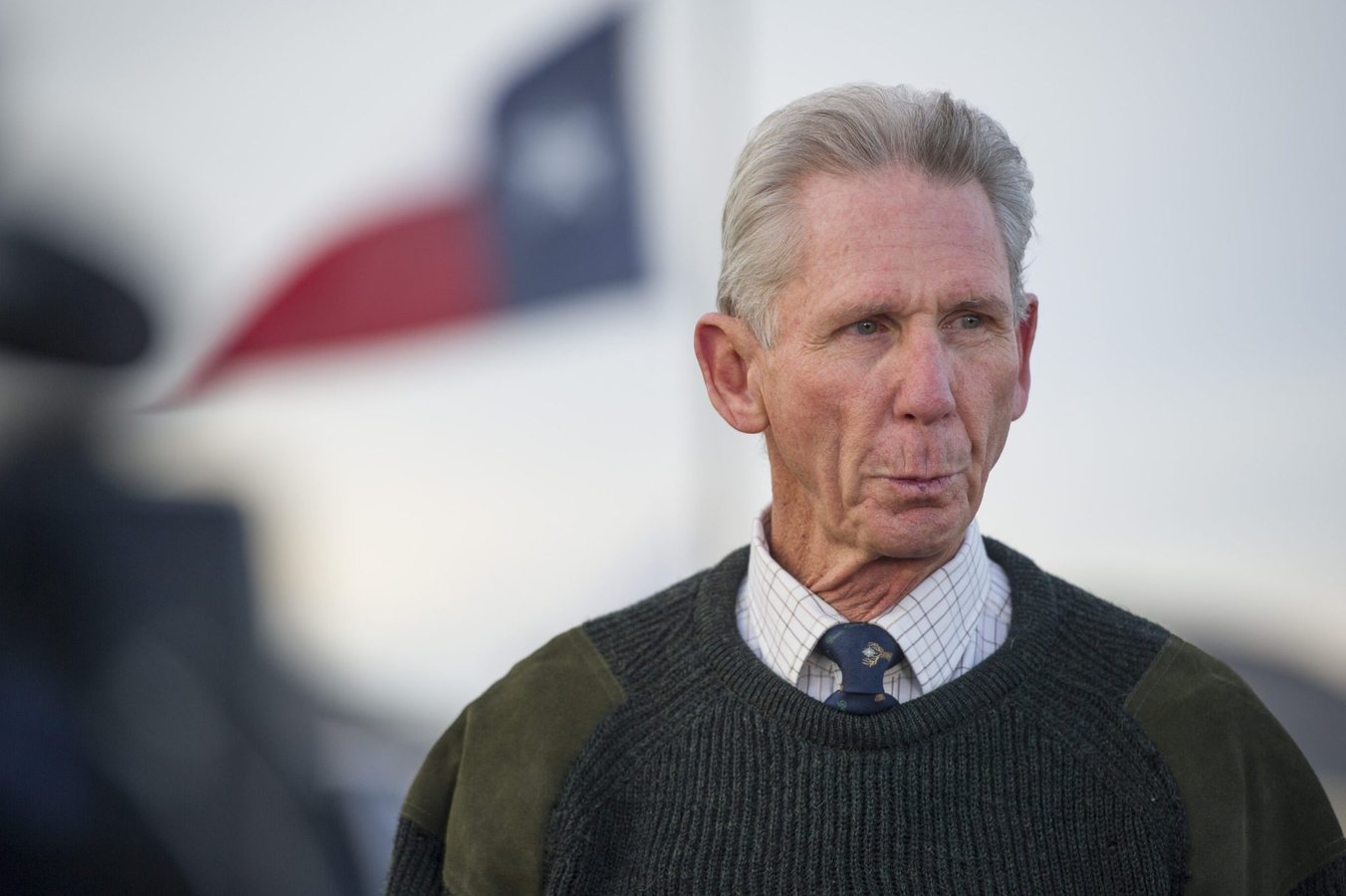
Walmart CEO John Furner says the retailer and its AI shopping assistant Sparky will not use personal data to set prices, as digital shelf labels roll out to stores nationwide and regulators scrutinize personalized pricing.
Walmart is pushing back against customer fears that its expanding digital price label technology could lead to personalized pricing, with CEO John Furner publicly vowing that the retail giant will not use personal information to determine what shoppers pay.
In a statement posted on the company's website Friday, Furner said Walmart does not set different prices based on who a customer is or the time of day, and that it never will. The pledge covers not only the company's in-store pricing but also its artificial intelligence shopping assistant, Sparky, which Furner said will not be used to raise a customer's price or hide lower-priced options that meet their needs.
«We don't set different prices based on who you are or the time of day, and we won't,» Furner wrote. «Whether you're buying groceries or electronics on a hot afternoon or in a sudden rush for an item, it's never a reason to charge you more.»
The commitment arrives as digital price labels rapidly replace traditional paper shelf tags at supermarkets across the United States. The technology allows stores to change prices instantly from a central computer rather than sending workers to swap out paper labels by hand. Walmart said in March that 2,300 of its U.S. locations already use digital shelves, and it expects the technology to be chain-wide within the next year.
Walmart executives have said the electronic tags help the retailer keep prices consistent and ensure that shelf prices match what customers are charged at checkout. The company also says the labels save workers time and reduce labor costs.
But the rollout has drawn scrutiny from shoppers, consumer advocates and lawmakers who worry the technology could enable stores to adjust prices based on individual customer data. The Federal Trade Commission said last month that it is putting companies on notice that personalized pricing practices could violate consumer protection laws. The agency acknowledged it does not have the legal authority to ban personalized pricing in all circumstances, but it issued a new bulletin warning companies that they must disclose to customers how personal information is being used to set a price.
Furner said using personal data to set prices would violate Walmart's «every day low prices» business model, which is built on the premise that all shoppers receive the same low prices. He also noted that prices can and do change for legitimate reasons: Walmart lowers them when it can pass savings along to customers, and sometimes raises them when an item costs more to buy or transport.
The CEO's statement seeks to draw a clear line between dynamic pricing, which reflects changing costs and market conditions, and personalized pricing, which tailors prices to individual shoppers based on their income, shopping history or willingness to pay. Furner said Walmart is not engaging in the latter and has no plans to do so.
The debate over digital price labels is unfolding as retailers increasingly adopt technology that blurs the line between online and in-store shopping. Electronic shelf tags are already common in parts of Europe, and U.S. chains have been moving toward them as labor costs rise and customers expect accurate pricing at the register.
For Walmart, the stakes are significant. The Bentonville, Arkansas-based company serves millions of customers weekly and has built its reputation on low prices. Any perception that it is charging different customers different amounts could damage that trust, which helps explain why Furner addressed the issue directly rather than leaving it to company spokespeople.
The FTC's warning adds a regulatory dimension to the debate. While the agency stopped short of banning personalized pricing outright, its bulletin signals that companies using such practices must be transparent about how personal data informs prices. That guidance could shape how retailers deploy digital labels and AI shopping tools in the months ahead.
Walmart's pledge also extends to Sparky, its AI shopping assistant. Furner said the bot will not be used to raise a customer's price or steer them away from lower-priced alternatives that meet their needs. The promise reflects growing concern that AI-driven shopping tools could be used to manipulate what customers see and pay.
As digital labels become standard across Walmart's U.S. stores, the company's commitment will be tested by how transparently it communicates price changes and how it handles customer data. For now, Furner's message is clear: Walmart says it will not use personal information to decide what you pay.
6