RFK Jr. Accuses CNN's Dana Bash of COVID-Era «Press Malpractice»
HHS Secretary Robert F. Kennedy Jr. clashed with CNN anchor Dana Bash over pandemic coverage, accusing her of «press malpractice». Bash defended COVID vaccines and CNN defended its reporting, while Kennedy cited the measles outbreak and his backing of the MMR vaccine.
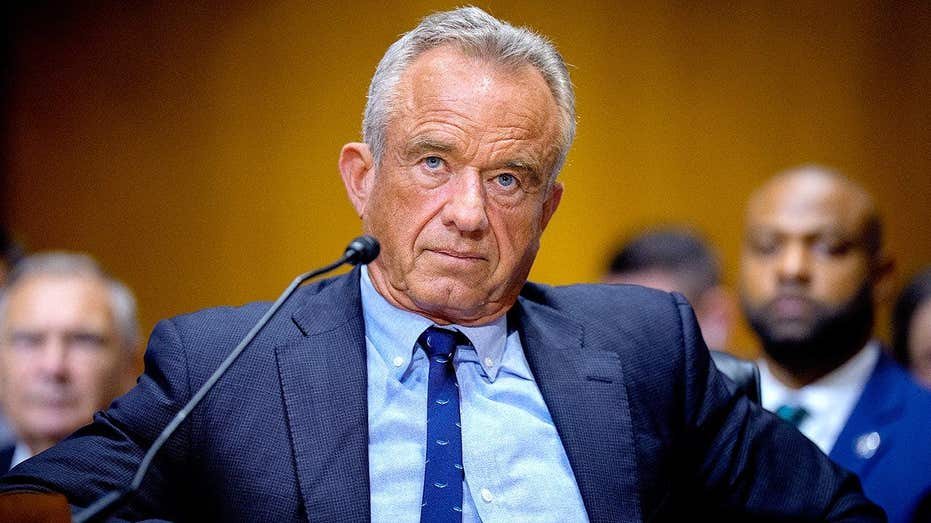
Health and Human Services Secretary Robert F. Kennedy Jr. accused CNN anchor Dana Bash on Sunday of COVID-era «press malpractice», saying the network and its journalists failed to challenge public health authorities and instead punished people who dissented from official guidance during the pandemic.
During an interview on CNN's State of the Union, Kennedy told Bash that a journalist's job should have been to apply «fierce skepticism toward authority». «You were part of the problem. There was absolute press malpractice», he said. «You were beating up on people who were dissenting».
Bash pushed back, saying she wanted to ask how Kennedy would prevent another public health crisis rather than re-litigate the previous federal response. She also defended the record of COVID-19 vaccines, citing data that they saved lives. «I also don't want to use this interview to allow you to say things that aren't entirely true», Bash said. «You're talking about therapeutics. Fine. It is also factually true that the COVID vaccine worked. The COVID vaccine prevented deaths. There is data, upon data, upon data».
Researchers with the Centers for Disease Control and Prevention and Harvard University estimated in 2023 that primary vaccination could have prevented at least 232,000 deaths among unvaccinated U.S. adults. Bash acknowledged the frightening nature of the pandemic and said officials had made mistakes, but Kennedy pressed his criticism and accused CNN of amplifying public fear, pointing to the network's on-screen graphics and coverage. «You were scaring people», he said. «Because that was the job of CNN». Bash responded that the network was covering government leaders, including then-President Donald Trump's daily White House briefings, at a time when the country was seeking answers about the virus.
The exchange came as Kennedy continued to criticize the initial U.S. response to COVID-19. He accused Bash of punishing people who distrusted Dr. Anthony Fauci, the former top U.S. infectious disease expert, and claimed Fauci lied about masks, social distancing, natural immunity, vaccine transmission and the origins of the virus. «We know that Anthony Fauci, who was the expert, was lying about everything», Kennedy said. «He was lying. And you were punishing people for not trusting the experts».
The interview aired four days after Fauci invoked the Fifth Amendment 111 times on his attorney's advice during a Senate hearing into the pandemic response and COVID-19's origins. Sen. Rand Paul of Kentucky, a Republican, has said his committee will vote on a contempt resolution related to the hearing.
CNN defended both Bash and its pandemic coverage. A network spokesperson described the interview as newsmaking, noting that Kennedy said he supports parents getting their children vaccinated against measles and addressed President Donald Trump's push for further study into autism and vaccines. «Asking tough, substantive questions to those in power is the job of every journalist, and Dana did hers incredibly well today», the spokesperson said. «We stand behind Dana, her reporting, and CNN's overall coverage of the COVID-19 pandemic».
The confrontation came as the United States recorded its highest measles total in 35 years. The Centers for Disease Control and Prevention reported 2,371 confirmed cases through July 30, surpassing the total for all of 2025. Kindergarten coverage with the measles, mumps and rubella vaccine fell from 95.2 percent during the 2019-2020 school year to 92.5 percent during the 2024-2025 school year.
Asked directly by Bash whether he would tell parents to get their children vaccinated, Kennedy endorsed the measles vaccine. «Parents should get their children vaccinated for measles», he said. «Measles vaccine is effective. It stops measles in about 97% of the cases. People should get vaccinated».
The clash reflected the broader political fight over how the pandemic was covered and how the next health emergency should be managed. Bash said in April that reporters should identify false or misleading claims rather than merely present competing positions. «Objective reporting doesn't mean just giving all sides of the issue», she said. «Objective reporting now, rightly so, means explaining what somebody says when it's false or when it's not right or when it's misleading». The exchange underscored how the COVID-19 era continues to divide journalists, public health officials and the administration.