Ole Miss Serves LSU Star Princewill Umanmielen With Lawsuit Papers Ahead of SEC Showdown
Ole Miss had LSU defensive lineman Princewill Umanmielen served with lawsuit papers in the Tigers' football facility parking lot, escalating a $950,000 buyout dispute days before the two teams meet on Saturday.
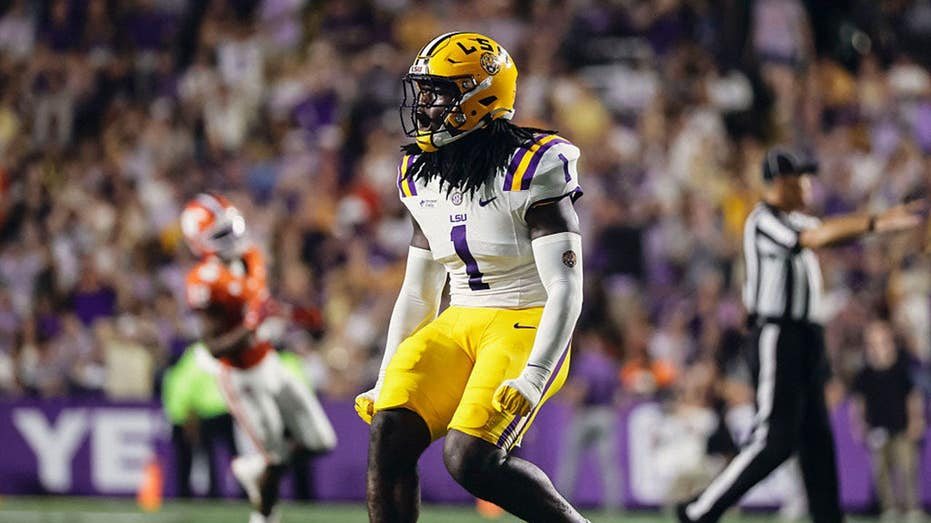
Ole Miss escalated its legal fight with two former players now at LSU by having defensive lineman Princewill Umanmielen served with lawsuit papers in the parking lot of LSU's football facility, adding another layer of tension to a rivalry game that was already drawing national attention.
The lawsuit, filed in July, accuses Umanmielen and fellow LSU transfer Devin Harper of breaching contracts they signed with Ole Miss in January. According to the school, both players signed revenue-sharing agreements that included buyout provisions requiring them to compensate the university if they left before fulfilling their commitments. Ole Miss says the combined buyouts total $950,000.
Both players transferred to LSU after participating in the College Football Playoff with Ole Miss, a departure that followed head coach Lane Kiffin's exit from Oxford. The school has said it attempted to reach a settlement with the athletes in the months before filing suit, but those talks did not resolve the dispute.
LSU officials reportedly declined to engage with Ole Miss's attorneys when they arrived on campus, directing them to the players, who the university says are responsible for their own contracts. That stance has produced disagreement over whether the buyouts will be paid and who ultimately bears the financial penalty for the alleged breach.
Louisiana Governor Jeff Landry weighed in on social media after Umanmielen was served, noting that the process server found the player in the LSU Football Ops parking lot. Landry suggested Ole Miss athletic director Keith Carter could have saved the school money by waiting until Saturday, adding that Umanmielen would be easy to find in the Ole Miss backfield during the game.
Harper has not yet been served with legal papers, leaving that portion of the case unresolved as the weekend approaches.
When Ole Miss first filed the lawsuit, the university framed the action as a matter of contractual principle. In a statement, the school said it values its student-athletes and is committed to honoring all obligations made to them, while expecting the same commitment in return. Ole Miss said the players signed revenue-sharing agreements with a provision requiring predetermined compensation if they departed early, and that enforcing those terms is consistent with how other institutions operate in the current landscape of college athletics.
The dispute has become one of the most closely watched off-field storylines in the SEC this season, arriving as programs across the country grapple with the growing role of name, image and likeness deals, revenue sharing and the transfer portal. Contracts that once functioned as informal understandings now carry seven-figure financial stakes, and schools increasingly appear willing to pursue legal remedies when athletes leave.
For LSU and Ole Miss, the timing could hardly be more pointed. The two teams meet Saturday in a game that already carried significant conference implications. Now it also carries the weight of a pending lawsuit, a process server's visit to campus and public comments from a sitting governor.
Ole Miss has not indicated whether it plans to serve Harper before kickoff. LSU has not publicly commented beyond directing the matter to the players. The case itself is expected to continue beyond Saturday regardless of the outcome on the field.
What began as a routine transfer dispute has grown into a legal confrontation that touches on contracts, player movement and the shifting balance of power in college sports. For now, the drama surrounding the LSU-Ole Miss matchup shows no sign of cooling before the teams line up.