Alaska attorneys call Trump request to set aside Senate ballots impossible
Attorneys for Alaska say a Justice Department request to set aside ballots cast for a second Dan Sullivan is meritless and would violate voter privacy.
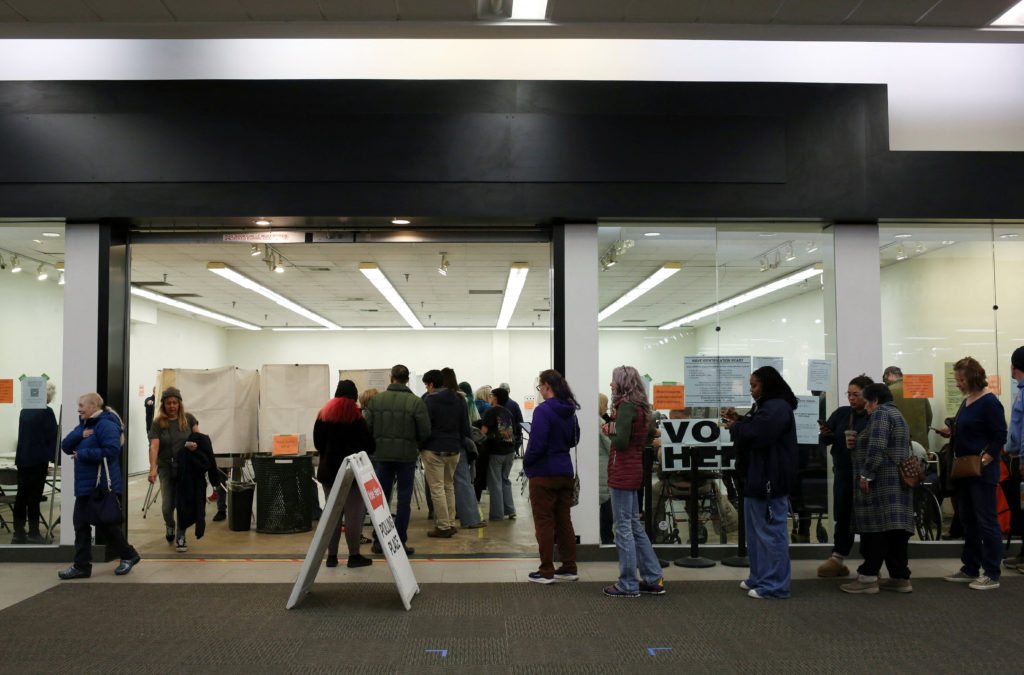
Attorneys for the state of Alaska have called a demand from President Donald Trump's Justice Department to set aside certain Senate ballots meritless and, in their words, "not even possible." The request asks a judge to separate all ballots showing votes for a second candidate named Dan Sullivan until it can be determined whether voters were misled into wasting their votes on a spoiler candidate.
In a Saturday filing, Alaska's lawyers said the proposal was "both disturbing and impossible." They argued that there would be no way to carry it out without violating voter privacy, since separating ballots by candidate choice would expose how individual residents voted. The state's response frames the demand as a legal and practical dead end rather than a workable remedy.
The Justice Department added the request on Friday as part of the wider dispute over the race. Officials asked the court to isolate the ballots until investigators could determine whether voters had been fooled into backing the second Sullivan. The state has not accepted that premise, and its filing contends that the proposed separation would not be feasible under the state's election procedures.
The dispute centers on a candidate with a similar name running in the same contest, a situation that has drawn the nickname "Decoy Dan" in some coverage. Alaska's attorneys have characterized the federal demand as lacking legal merit and have stressed that protecting the secrecy of the ballot is a central obligation for election officials. Their filing treats the secrecy of each voter's choice as a protection that the state cannot set aside on a request of this kind.
The case arrives amid a broader national debate over the scope of federal involvement in election administration. Election law generally places the counting and handling of ballots under state authority, and courts have historically been cautious about orders that would reveal how particular voters cast their ballots. Alaska's filing draws on that principle in arguing that the request goes too far, and the state's position is that the demand cannot be met as framed.
The request also raises questions about what a court could realistically order election workers to do once ballots have been counted and tabulated. Separating a single category of votes would require handling marked ballots in a way that the state argues was never designed for such a purpose, and the filing makes clear that officials see no lawful path to doing so without compromising the anonymity voters were promised when they cast their ballots.
As of the latest filings, the court has not ruled on the Justice Department's request. The outcome will determine whether the contested ballots are separated or left as counted, and it will signal how courts weigh federal investigative aims against state ballot-secrecy rules in a close statewide contest.
6