Georgia special election and South Dakota governor runoff test party coalitions
A special election in a heavily Democratic Georgia district and a Republican gubernatorial runoff in South Dakota on Tuesday will test the strength of both party coalitions, with establishment candidates facing outsider and progressive challengers.
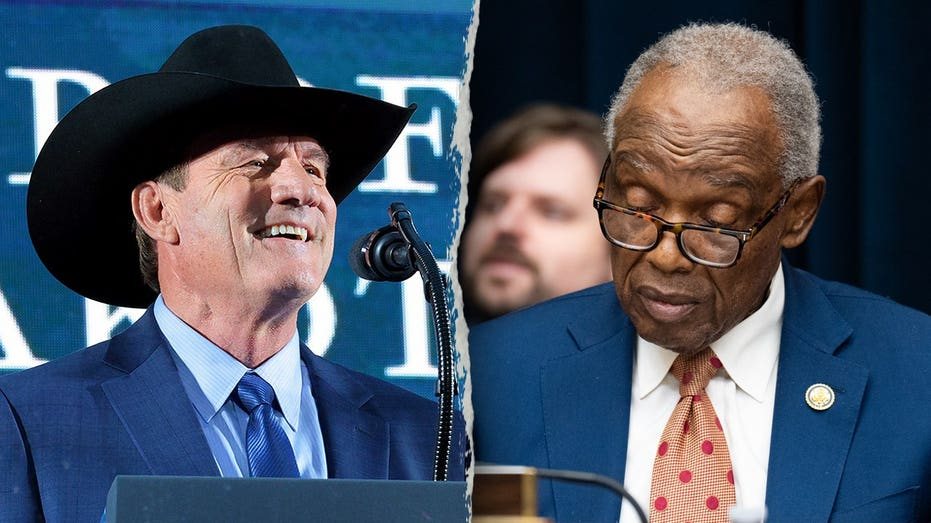
Two races in politically disparate parts of the country are setting the stage for one of the most unusual split-screen election days of the year on Tuesday, as voters in Georgia and South Dakota head to the polls to fill a vacant congressional seat and decide a gubernatorial runoff. The contests will test the durability of Republican and Democratic coalitions in an off-cycle election that could offer clues about each party's internal dynamics ahead of the next general election.
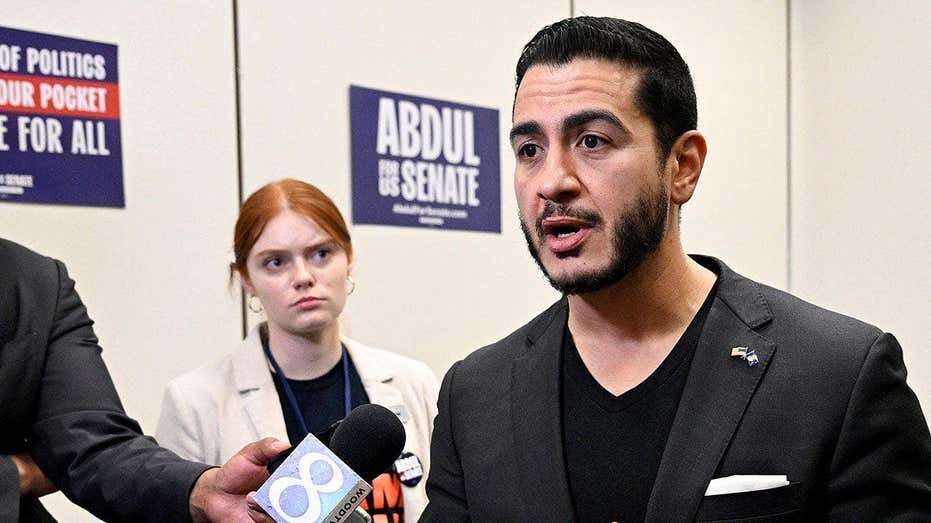
In Georgia's 13th Congressional District, a heavily Democratic area encompassing the southern and eastern Atlanta suburbs of Stockbridge, Conyers, and Snellville, a special election is being held to fill the seat left vacant by the death of Representative David Scott in April at age 80. Scott, a 12-term lawmaker known for his confrontational style, had drawn increasing frustration from Democrats, particularly among the party's progressive wing. The winner of Tuesday's contest will serve out the remainder of Scott's term, with the general election ballot already set for November. The race features multiple candidates, including Scott's daughter, who has emphasized continuing her father's legacy and maintaining his staff for stability, as well as former local official Everton Blair and former Mississippi judge Carlos Moore.
Blair, a millennial candidate who previously challenged Scott in a primary, has described his bid as a "voice for a new generation" and has criticized what he sees as insufficient leadership. His decision to run followed a contentious town hall exchange with Scott, during which the congressman reportedly became agitated when asked about legislative strategy. Blair's campaign has positioned itself as part of a broader push for younger Democratic leaders, a trend that gained momentum after President Joe Biden's poor debate performance in 2024 and his subsequent decision to step aside. Scott's daughter, meanwhile, has told local media that her goal is to "finish out his year strongly" and ensure that federal funds continue flowing to the district. Moore, who was suspended from the bench in 2024 for mishandling a wrongful death settlement, has criticized Scott's tenure and pledged to be a leader who "actually shows up" and defends the Constitution.
Across the country in South Dakota, Republicans are holding the state's first gubernatorial runoff between incumbent Governor Larry Rhoden and self-made millionaire and bitcoin investor Toby Doeden. Rhoden took office after President Donald Trump appointed former Governor Kristi Noem as Homeland Security Secretary earlier this year. He was unable to secure the nomination outright in the June primary, failing to reach the required threshold, which set up Tuesday's runoff. The race is widely seen as a classic establishment-versus-outsider contest, with Rhoden heavily favored in polls but Doeden hoping for an upset fueled by strong support in Minnehaha County, home to Sioux Falls, and Pennington County in the western part of the state. These two counties helped propel Doeden to a first-place finish in the June primary, and they will be closely watched again on Tuesday.
South Dakota has not elected a Democratic governor since the 1970s, making the Republican runoff the de facto general election. The state's political dynamics contrast sharply with Georgia's 13th District, where Democrats are expected to hold the seat by a wide margin in November. The simultaneous elections highlight the divergent challenges facing both parties: Democrats must manage generational and ideological tensions within a safe blue seat, while Republicans are navigating a primary runoff that pits the party establishment against an anti-establishment insurgent backed by cryptocurrency wealth.
The results on Tuesday could have ripple effects beyond the two races. In Georgia, the outcome may signal whether progressive and millennial candidates can successfully challenge long-serving incumbents or whether legacy-based appeals continue to resonate with voters. In South Dakota, the runoff will test whether Rhoden can consolidate the party faithful after a rocky start to his tenure or whether Doeden's outsider message can break through in a state where Republicans hold near-total dominance. Both contests, though local in nature, offer a window into the broader political currents shaping the 2026 midterm cycle and beyond.