
Venice Documentary 'NAZA' Accuses Israeli Military of Using AI to Kill in Gaza
The documentary 'NAZA,' premiering at the Venice Film Festival, features testimony from 24 Israeli military intelligence officers and soldiers who describe the use of AI systems in Gaza and what the film calls depraved indifference to Palestinian life.
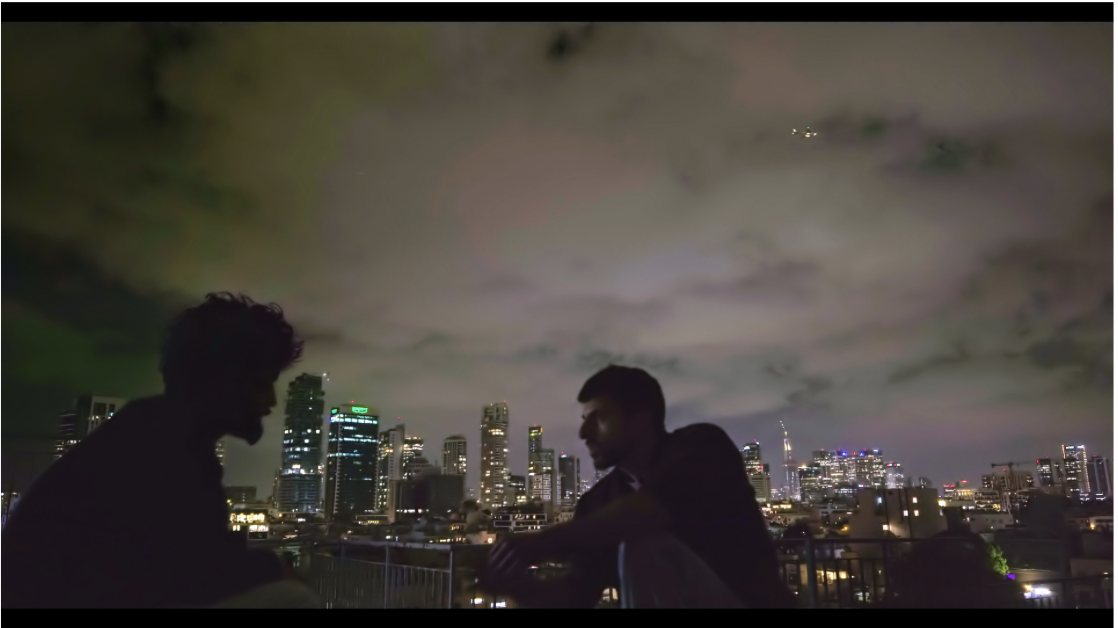
A new documentary premiering at the Venice Film Festival accuses the Israeli military of using artificial intelligence to kill in Gaza and of what the film describes as depraved indifference to Palestinian life. Titled «NAZA,» the film is built around testimony from 24 Israeli military intelligence officers and soldiers who speak in almost matter-of-fact tones about their roles in the campaign.
The documentary was shot at night on rooftops in Tel Aviv, a decision made in part to avoid potential Israeli eavesdropping and to help shield the identities of the participants. Those precautions reflect the sensitivity of the material, which centers on accounts from people who served inside the military apparatus rather than on outside observation.
The film arrives at a moment when the use of automated and AI-assisted targeting systems by militaries is drawing growing scrutiny from human rights organizations, researchers and international legal experts. «NAZA» adds a rare firsthand dimension to that debate by putting former and current Israeli personnel on camera, describing how decisions were made and how targets were selected.
According to the accounts presented in the documentary, the Israeli military displayed a depraved indifference to Palestinian life, and AI tools played a central role in the killing of civilians in Gaza. The film frames these practices not as isolated incidents but as part of a broader system that participants describe in calm, procedural language.
The Venice Film Festival has become a frequent launching point for documentaries that mix journalism with advocacy, and «NAZA» fits that tradition. Its premiere places the film in front of international critics, festival audiences and industry buyers at a time when the war in Gaza remains a subject of intense global debate.
The decision to film at night on Tel Aviv rooftops underscores the operational risks the filmmakers believed they faced. By avoiding conventional interview settings, the production sought both to protect participants and to prevent the kind of surveillance that could expose them or compromise the material.
The 24 intelligence officers and soldiers who appear in the film are presented as insiders whose testimony carries weight precisely because of their proximity to the military's targeting process. Their tone, described as almost matter-of-fact, contrasts with the gravity of the subject matter and gives the documentary much of its force.
«NAZA» does not rely on secondhand reporting alone. It builds its case from the words of people who participated in or observed the systems under scrutiny, a method that has become common in recent documentaries about war and technology but remains rare when the subjects are active or former military personnel from the country being examined.
The film's accusations are likely to intensify an already polarized conversation about Israel's conduct in Gaza, the role of AI in modern warfare and the responsibility of individuals who operate such systems. Festival screenings are expected to be followed by wider distribution and further public debate.
For audiences at Venice, the documentary offers a view of the war from inside the Israeli security establishment, filtered through the testimony of those who helped carry it out. Whether that testimony changes minds or hardens existing positions, it places a detailed and contested account of AI-assisted killing at the center of one of the world's most prominent cultural stages.