Andrew Kolvet Reflects on Eight Years Beside Charlie Kirk
In a first-person account, Andrew Kolvet, a longtime communications aide and co-founder of The Charlie Kirk Show, describes the private struggles and relentless drive behind Charlie Kirk's rise as a conservative organizer and media figure.
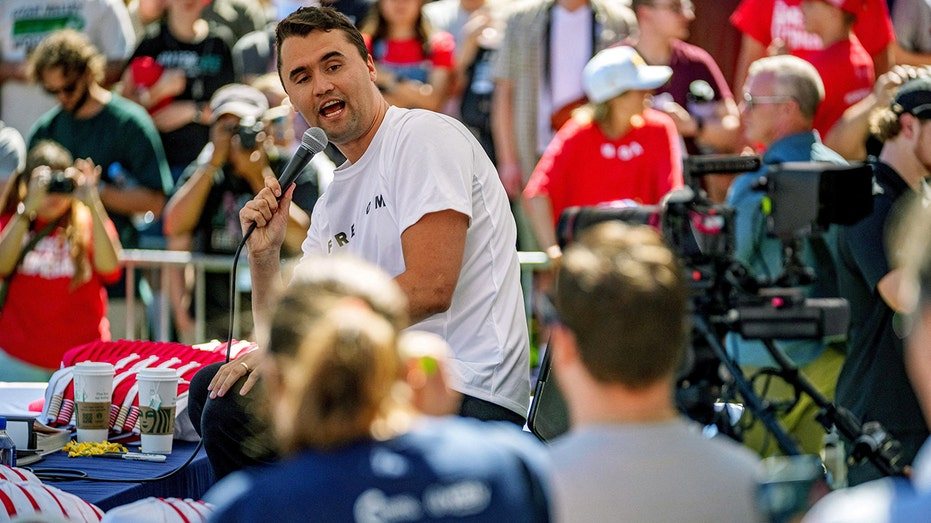
Andrew Kolvet, a communications strategist who spent eight years working alongside Charlie Kirk, is offering a rare inside account of the conservative organizer and media figure's rise, describing a leader whose influence was built on follow-through, personal sacrifice and a willingness to endure constant attacks.
Kolvet first met Kirk in a Los Angeles hotel lobby in 2017, after sending emails that were mostly ignored. Kirk, then 23, had a reputation as an up-and-comer trying to reclaim college campuses for conservatives. Kolvet recalls being struck by Kirk's height, his darting eyes and his deliberate manner. «When he spoke, I believed him,» Kolvet writes, describing a political world full of talkers who put style above substance. By the end of that meeting, the two had decided to work together, beginning a partnership and friendship that would last eight years.
In 2019, the pair launched The Charlie Kirk Show as a once-a-week podcast. During the COVID-19 pandemic, it expanded to three, then five, and sometimes ten episodes a week. It soon became a nationally syndicated radio program and, by 2022, a successful television program. Kolvet credits Kirk with an almost supernatural level of agency. «Most people have great intentions, but Charlie possessed one of the rarest of all virtues—follow-through,» he writes, quoting producer Blake Neff's description of Kirk as the highest-agency person he has ever known.
Kirk's list of achievements, according to Kolvet, seemed to manifest through sheer will. At 18, with no money, connections or experience, he founded Turning Point USA. He wanted to emulate his hero Rush Limbaugh, so he started a radio show. He wanted churches to engage in political fights, so he launched TPUSA Faith. He wanted a grassroots army of ballot chasers, so he built Turning Point Action.
What has been lost in tributes, Kolvet argues, is how unlikely that success was. Kirk built TPUSA without taking a paycheck for the first five years, living off speaking stipends and friends' couches. He served as CEO, CMO, CFO and spokesman for years, spending more than 300 days a year on the road and earning top frequent-flyer status on major airlines. When he finally hired staff, he nearly missed payroll multiple times, working the phones or traveling overnight to secure donors for what many considered a pipe dream. Kolvet attributes the financial provision to God's faithfulness, saying it always arrived just in time.
The physical toll was severe. Years of cramped coach flights on Kirk's oversized frame damaged his back. One day his body suddenly refused to move, and Kolvet rushed him to the hospital. Doctors determined he needed rest and to stop traveling, but Kirk refused. His back became a chronic problem, and many days on campus he could barely walk to the debate chair. Kolvet says some of Kirk's most famous speeches were delivered through nearly unbearable pain.
There were also constant attacks. Conservative media ran hit pieces calling Kirk too abrasive, confrontational and aggressive, labeling him a charlatan and a grifter. Others blamed him for Trump's 2020 loss. Kirk was called before the January 6 Committee to testify about an event he did not attend, and his COO, Tyler Bowyer, was prosecuted in what Kolvet calls a ridiculous alternative-electors witch hunt. When Republican Kari Lake lost the Arizona governor's race, Kirk again faced blame.
Kolvet's account portrays Kirk as a figure who absorbed criticism while continuing to build institutions. The reflection comes as Turning Point USA and its affiliated groups remain active in conservative politics, with Kirk's widow, Erika Kirk, urging conservative students not to back down in the first school year since his assassination. Kolvet's testimony adds a personal dimension to a public legacy that continues to shape debates over youth outreach, faith and grassroots organizing on the right.
80