
Orionid Meteor Shower Peaks This Month as One of the Year's Best Skywatching Events Gets Underway
The Orionids, widely regarded as one of the strongest meteor showers of the year, are now active and will build toward their peak later in October, giving skywatchers across the United States a chance to catch bright, fast streaks tied to Halley's Comet.
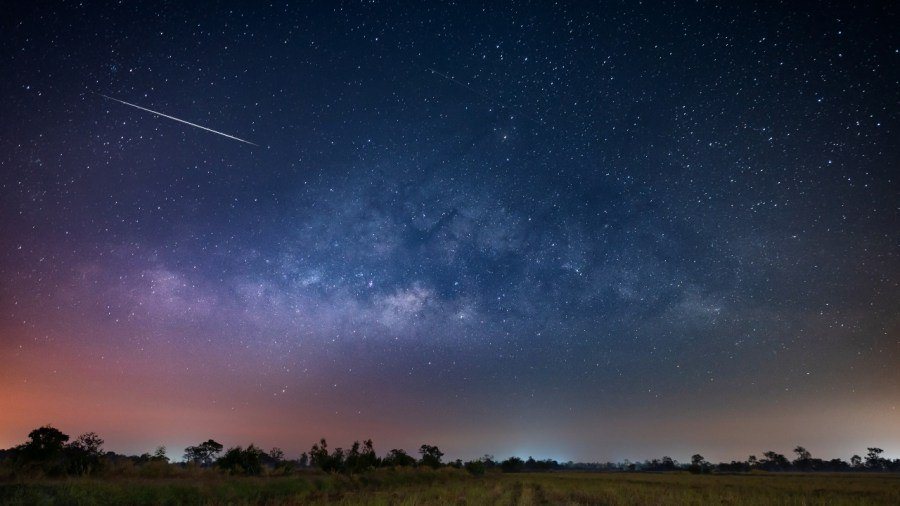
The Orionids, one of the most anticipated meteor showers of the year, are now underway, giving skywatchers across the United States a chance to catch bright, fast streaks of light in the pre-dawn sky. The shower is active through much of October and is expected to build toward its peak later in the month, when viewing conditions should be best.
The Orionids are produced by debris left behind by Halley's Comet, the famous icy visitor that last passed through the inner solar system in 1986. Each year, Earth crosses the trail of dust and grit the comet shed on earlier orbits, and those particles burn up high in the atmosphere as meteors. Because the stream is spread out, the shower delivers a steady trickle of shooting stars for weeks rather than a single sharp burst.
Observers do not need telescopes or binoculars to enjoy the display. The meteors appear to radiate from a point near the constellation Orion, which rises in the eastern sky late at night and climbs higher before dawn. That radiant gives the shower its name, though meteors can appear anywhere in the sky, so lying back and scanning a wide patch of darkness is the most effective approach.
Timing matters. The hours after midnight and before the first light of dawn are generally the most productive, when the radiant is highest and the sky is darkest. The shower's peak typically falls around the third week of October, and the weeks on either side of that window still offer occasional meteors for patient viewers.
Moonlight is the biggest wild card for any meteor shower, and this year's Orionids will contend with whatever lunar phase falls near the peak. A bright moon washes out fainter meteors, reducing the number visible to the naked eye. When the moon is small or absent from the sky during the best viewing hours, rates improve noticeably.
Light pollution is the other major factor. City dwellers can still spot the brightest Orionids, but the shower rewards those who travel to darker locations away from streetlights and glowing urban skies. Rural areas, national parks and other dark-sky sites offer the best odds of seeing a steady stream of meteors rather than a handful of the brightest ones.
Weather also plays a decisive role. Clear skies are essential, and cloud cover can wipe out an otherwise promising night. Skywatchers are encouraged to check local forecasts and remain flexible, since the shower runs for weeks and a single cloudy night does not end the opportunity.
The Orionids are often described as one of the best showers of the year because they combine respectable rates with fast, sometimes brilliant meteors. They are not the most prolific shower on the calendar, but they reliably produce enough activity to reward casual observers as well as dedicated astronomers.
For those hoping to watch, experts recommend dressing warmly, allowing time for eyes to adjust to the darkness, and avoiding phone screens that can ruin night vision. A reclining chair or a blanket on the ground makes it easier to keep looking up for extended periods.
The shower will remain active for a stretch of weeks, gradually tapering off after its peak. Even after the strongest nights pass, stray Orionids can still appear, making the second half of October a rewarding period for anyone willing to spend time under a dark sky.
13