Foreign Tourist Surcharge at U.S. National Parks Raises $22.5 Million, a Quarter of Projected $90 Million
Six months after the America First pricing plan took effect, the international visitor surcharge at 11 popular national parks has brought in $22.5 million, far below the $90 million annual target. Interior Secretary Doug Burgum calls it early-stage growth, while Senate Democrats question the fee's legality and data collection.
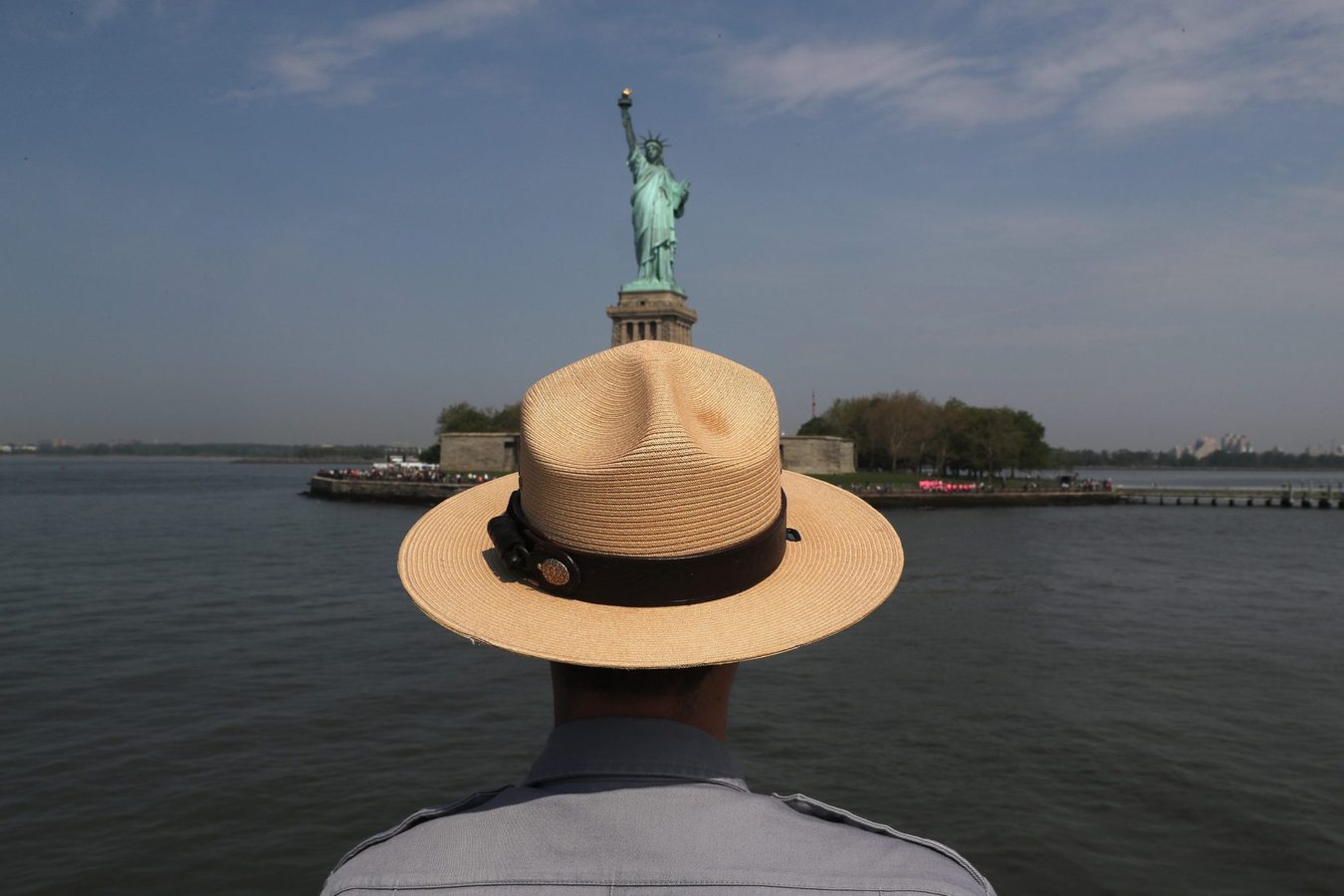
A surcharge on foreign tourists at some of America's busiest national parks has raised $22.5 million in its first six months, roughly a quarter of the $90 million the administration projected for its first year. Interior Secretary Doug Burgum disclosed the figure, saying the policy has created a sustainable funding stream for the park system.
The fee, part of an America First pricing plan, took effect January 1. Foreign visitors now pay $250 for an annual America the Beautiful pass, up from $80, or an extra $100 per person on top of standard entrance fees at 11 of the most popular parks, including Yellowstone, Yosemite, and Zion. President Donald Trump signed Executive Order 14314 in July 2025, stating the surcharges were meant to preserve opportunities for American families in future generations by increasing entry fees for foreign tourists. At a rally in Iowa, he said the national parks will be about America first.
Burgum told the Daily Signal the shortfall reflects early-stage growth rather than failure. But the rollout has drawn scrutiny. Five Senate Democrats, led by Alex Padilla, Catherine Cortez Masto, and Ron Wyden, wrote to Burgum twice, arguing the fee violated the Federal Lands Recreation Enhancement Act, which requires public notice and comment before recreation fees are changed. Interior implemented the fee on schedule anyway.
The change forced park staff to determine who is and isn't a U.S. resident at the gate. The National Park Service has always required resident pass holders to show photo ID, but now non-pass holders at the 11 surcharge parks face a verbal residency check. The Guardian reported delays at entrances in the fee's first week, and Padilla and his colleagues have asked whether residency data collected at the gate could be shared with other federal agencies. Interior has not answered that question.
Neither the Department of the Interior nor the National Park Service responded to requests for comment. The Congressional Research Service noted that projecting this revenue has been challenging because the Park Service has not collected systematic data on numbers of international park visitors. The government's own annual fee-revenue report still lags two years behind, currently covering only fiscal year 2023. Until a newer report or an outside audit surfaces, Burgum's numbers are the only numbers available.
Charging tourists more than locals is common practice beyond U.S. borders. The Louvre raised its non-EU ticket price nearly 50 percent, to $37. South Africa's Kruger National Park charges foreign visitors $35 a day versus $8 for residents. Kenya's Masai Mara charges foreigners $200 versus $24 for residents. Ecuador charges foreign adults $200 to enter Galápagos National Park versus $30 for citizens. Britain has debated but not adopted a similar museum surcharge, opting instead for a city-level tourist tax on overnight stays.
What sets the U.S. version apart is its timing. International visits to the United States fell 5.5 percent in 2025 even as global travel grew elsewhere, with foreign tourists spending $14 billion less than in 2024. One analysis found 46 percent of travelers said they were less likely to visit the U.S. because of the president's policies. Charging tourists more only raises real money if the tourists keep showing up, and right now, fewer of them are.
74