Analyst Says Iran Has Lost Control of Strait of Hormuz as US-Backed Shuttle Moves Oil
A Swiss energy analyst argues that a US-protected shipping corridor along Oman's coast has allowed Gulf exporters to bypass Iran's threats, moving oil out of the Persian Gulf and undercutting Tehran's leverage.
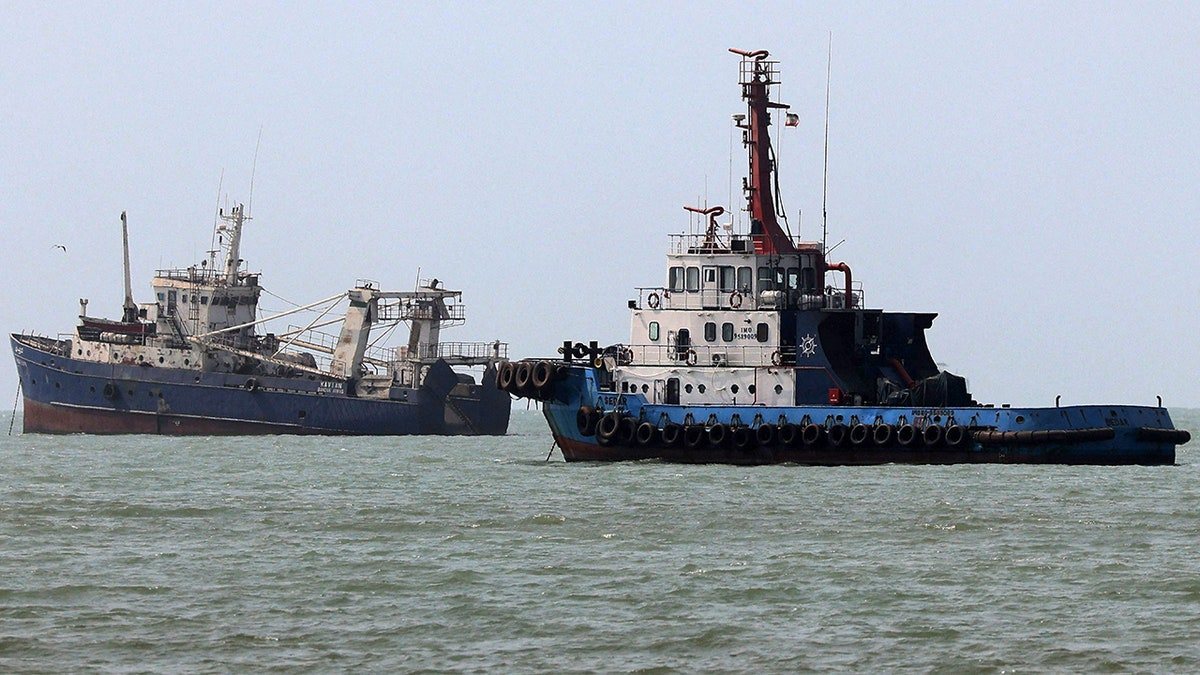
Iran's long-standing ability to disrupt the Strait of Hormuz is eroding as a US-protected shipping corridor along the Omani coast moves large volumes of crude out of the Persian Gulf, according to a detailed analysis by Swiss energy analyst and investor Alexander Stahel. In his Monday investment letter, The Commodity Compass, Stahel declared that «Iran's regime has lost control of the Strait of Hormuz» and described how a system he calls the «Hormuz shuttle» now carries oil to global markets despite Tehran's threats.
The shuttle began in May, when the United Arab Emirates positioned eleven hulls, mostly very large crude carriers owned, leased and operated by Abu Dhabi National Oil Company, to move crude out of the Persian Gulf through the Oman Lane into the Gulf of Oman. The oil is then transferred ship-to-ship before the vessels re-enter the Gulf to repeat the cycle. The route hugs the Omani coast and is patrolled and protected by the United States military, which has adjusted its tactics rather than replicating the destroyer-heavy escort system of past decades.
Stahel's assessment credits the UAE with refusing to become «hostage to Iran's regime» and says Saudi Arabia's Aramco and Kuwait have copied the model. By now, roughly 116 hulls are active in the shuttle trade around the Strait of Hormuz, most using the Oman Lane, and Qatar and Iraq have also adopted the approach. The result, according to the analysis, is that every country depending on the Strait has its oil export-driven cash flow running at around 80 to 90 percent of the January rate, with the notable exception of Iran itself.
«Iran has failed to shut the Strait,» Stahel concluded, adding that «the shuttle system is scaling, and time is increasingly working against Tehran.» The September decline in oil prices demonstrated the effectiveness of the new tactics, and October's anticipated decline is expected to reinforce that trend. At the time of writing, West Texas crude stood at $94.50 a barrel and Brent just under $107.00, as commodity traders worried that President Trump had rejected Iranian overtures to reopen talks. The analysis argues that the price bump will fade as Iran proves incapable of stopping or even scaring participants in the shuttle trade.
The broader context is a confrontation that began in February and has seen the Islamic Revolutionary Guard Corps spend six months «flailing itself into a corner,» according to the assessment. Operations Epic Fury and Roaring Lion pummeled the Islamic Republic, and Iran has not attempted to bully Trump in weeks. The analysis describes the US posture, joined by Israeli Prime Minister Benjamin Netanyahu, as one made famous by Clint Eastwood: «Go ahead. Make my day.» It adds that Iran is «flat out afraid of Israel,» knowing Netanyahu would welcome provocation.
Trump is unlikely to surrender his leverage over Tehran without genuine concessions, the analysis says. A first meaningful step would be opening all devastated nuclear program sites to inspection by the International Atomic Energy Agency, as well as the caverns and tunnel at Pickaxe Mountain. Beyond verifying that Iran's nuclear ambitions have been obliterated, the analysis frames the larger prize as lifting not only the energy premium imposed by the battle with Iran but also the «mullah tax» that has burdened the world economy since 1979, when the Shah went into exile and Ayatollah Khomeini returned. That risk, it argues, has weighed on markets for decades and would have skyrocketed had Iran achieved a nuclear breakout.
Israel, according to the analysis, paid the highest price, preparing for battle on multiple fronts financed by Tehran, and the October 7, 2023, massacre was «the doing of Iran,» as was Hezbollah's assault on the Jewish state. The rest of the world, in this telling, played the role of a frog being boiled slowly. President Trump and the American military, assisted by Israel and now by Gulf allies, decided they had enough of the low-grade blackmail that stretched over decades and the ever-increasing threat of much worse.
7