ABC Accuses FCC of Retaliation Over License Renewal Process
ABC files a formal complaint with the FCC, alleging the agency is retaliating against the network by accelerating the license renewal review for eight Disney-owned stations, citing political pressure from the Trump administration.
ABC has filed a strongly worded complaint with the Federal Communications Commission (FCC), accusing the agency of retaliation by moving to review the broadcasting licenses of eight Disney-owned television stations years before they were due to expire. The network argues that the action is politically motivated and stems from the Trump administration's hostility toward certain ABC programs and personalities.
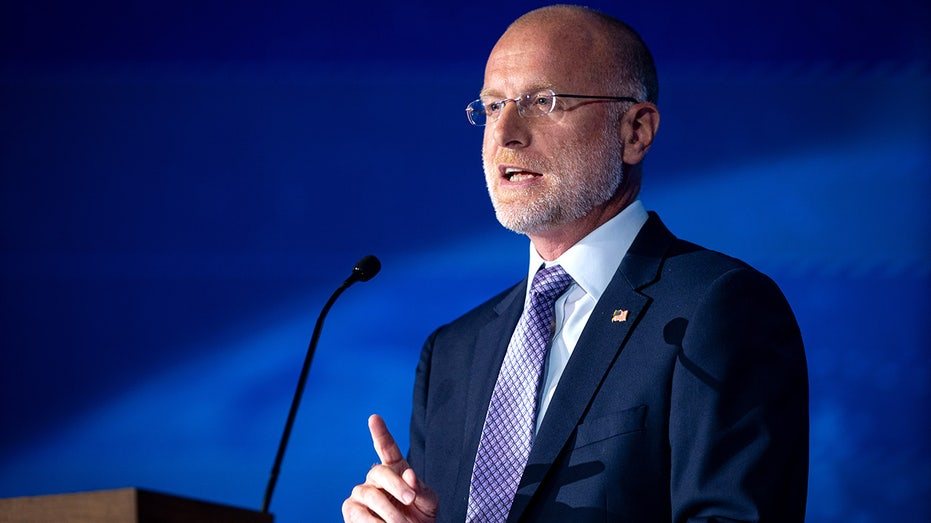
FCC Chairman Brendan Carr, appointed by President Trump, ordered an early license renewal process for the ABC stations in April. Normally, those licenses would have been up for renewal between 2028 and 2031. The commission also launched an investigation into Disney's diversity, equity, and inclusion (DEI) practices as part of the review. In its filing Wednesday, ABC's legal team stated that there is «no question why the Commission is singling out these eight stations: Each is owned by ABC, and the Administration has openly and repeatedly called for the revocation of ABC’s licenses, because it dislikes the content and viewpoints expressed on ABC network programs.»
The stations affected include KFSN-TV in Fresno, California; KABC-TV in Los Angeles; KGO-TV in San Francisco; WLS-TV in Chicago; WABC-TV in New York; WTVD in Durham, North Carolina; WPVI-TV in Philadelphia; and KTRK-TV in Houston. While the FCC filing did not explicitly mention late-night host Jimmy Kimmel, ABC contends that the scrutiny is a direct response to Kimmel's frequent criticism of President Trump and the first lady. Earlier this year, Melania Trump called for Kimmel to be fired after a joke she deemed offensive. The FCC has also opened a separate investigation into the daytime talk show «The View,» which airs on ABC.
ABC argued in its filing that the FCC has spent the last 18 months searching for a pretext to revoke the stations' licenses but has found none. The network asserts that the stations have met the legal standard for renewal—which requires a demonstration of serving the public interest—and that the commission cannot legally revoke their licenses or order a hearing. ABC cited overwhelming community support: over 140,000 comments have been received from local viewers, police, firefighters, charities, and schools, with more than 95 percent supporting renewal. «The outpouring of support for the Stations has been unprecedented for a license renewal proceeding,» ABC wrote.
The network framed the FCC's actions as a warning to all media companies. «The retaliation against ABC is a signal to every media company in the country: accommodate the Administration’s view of what news coverage should look like or pay the price,» the filing stated. ABC further claimed that regulatory and contracting tools are being used to intimidate disfavored speakers across the government, with the goal of creating a media industry too fearful of official reprisal to report news freely.
An FCC spokesperson responded by emphasizing that broadcasters receive free use of public airwaves worth billions of dollars and must therefore operate in the public interest. The spokesperson stated that broadcasters are prohibited from engaging in invidious forms of DEI discrimination, must comply with political equal opportunity regulations, and cannot run broadcast hoaxes or distort the news. «The FCC is going to hold broadcasters accountable to the full extent of the law, regardless of any disinformation campaign that some of them may choose to run,» the spokesperson said.
Conservative watchdog groups have also weighed in. The Media Research Center (MRC), which had previously filed a petition supporting the early review of ABC's licenses, doubled down. MRC President David Bozell said that ABC's defense is essentially «Trust us,» but he argued that public confidence in media is at historic lows. «Our filing is not based on hurt feelings or political disagreement. It is based on documented conduct. We look forward to the FCC reviewing the facts rather than the distractions,» Bozell said.
The dispute highlights the escalating tension between the Trump administration and major news organizations. ABC's filing characterizes the license review as part of a broader pattern of government pressure on media outlets that criticize the president. The FCC's DEI investigation into Disney adds another layer, though no violations have been found. Legal experts note that revoking a broadcast license is an extreme penalty, often described as the «corporate death penalty,» and that the commission has a range of lesser remedies available. The case could set a precedent for how the FCC handles complaints against politically unpopular broadcasters.
As the process unfolds, both sides are preparing for a potentially long legal battle. The FCC has yet to make a final decision on the license renewals. ABC maintains that the record clearly shows its stations serve their communities well and that any attempt to penalize them would be legally unsupported. The commission, meanwhile, insists it is simply enforcing long-standing obligations that come with holding a broadcast license.