«The Dark Knight» remains a masterpiece 18 years later, a testament to Christopher Nolan’s vision
Eighteen years after its release, Christopher Nolan's «The Dark Knight» is still hailed as a near-perfect superhero film, praised for its grounded realism, Heath Ledger's iconic Joker, and prescient themes of surveillance and morality.
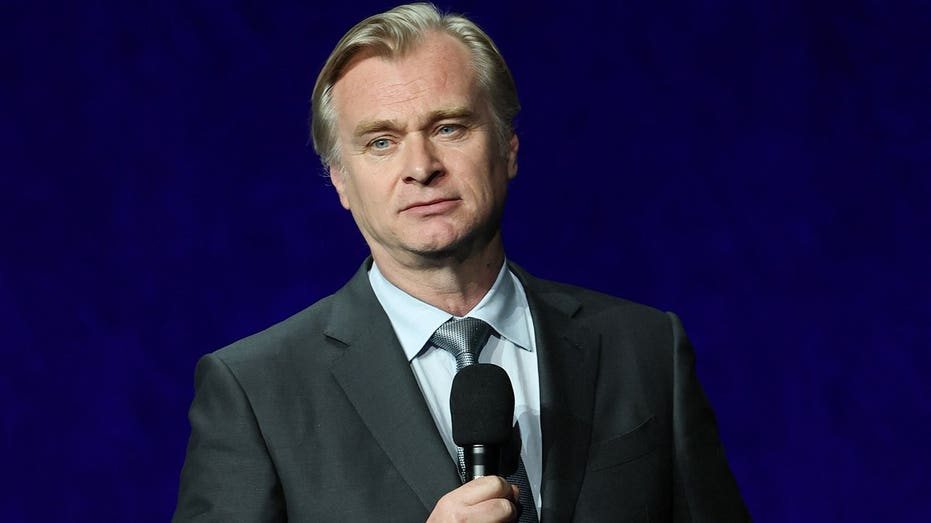
Eighteen years after its theatrical debut, Christopher Nolan's «The Dark Knight» continues to be celebrated as a landmark achievement in superhero cinema, a film that transcends the genre with its gritty realism, complex characters, and enduring cultural impact. Released in July 2008, the movie not only shattered box office records but also redefined what a comic-book adaptation could achieve, earning critical acclaim and a lasting place in the hearts of audiences worldwide.
The film's opening sequence, introducing Heath Ledger's Joker in a meticulously planned bank heist, remains one of cinema's most unforgettable introductions. Ledger's performance, which earned him a posthumous Academy Award for Best Supporting Actor, is widely regarded as one of the greatest in film history. His portrayal of the Clown Prince of Crime as an agent of chaos, devoid of motive or reason, elevated the villain to iconic status and set a new standard for antagonists in blockbuster filmmaking.
Beyond Ledger's tour de force, «The Dark Knight» benefits from a stellar ensemble cast. Christian Bale delivers a nuanced performance as both Bruce Wayne and Batman, capturing the duality of a man burdened by his mission. Aaron Eckhart's Harvey Dent, the idealistic district attorney who transforms into the tragic Two-Face, provides a compelling arc that underscores the film's central theme: the thin line between heroism and villainy. Gary Oldman's Jim Gordon, Michael Caine's Alfred Pennyworth, and Morgan Freeman's Lucius Fox each bring depth and humanity to their roles, making Gotham City feel lived-in and real.
Nolan's direction is masterful, blending practical effects with a grounded aesthetic that avoids the CGI excess common in later superhero films. The movie's action sequences, from the truck chase through the streets of Gotham to the climactic confrontation in a skyscraper, are visceral and meticulously choreographed. The film's score, composed by Hans Zimmer and James Newton Howard, amplifies the tension and emotional weight, becoming as iconic as the visuals.
Thematically, «The Dark Knight» resonates even more strongly in 2026 than it did in 2008. Nolan's exploration of surveillance, privacy, and the moral compromises made in the name of security — epitomized by Batman's use of sonar technology to track the Joker — feels prescient in an era of digital monitoring and government overreach. The film's famous line, «You either die a hero or you live long enough to see yourself become the villain,» has become a cultural touchstone, quoted and referenced across media and political discourse.
The movie's influence extends beyond its own narrative. It inspired a wave of darker, more serious superhero films, including Nolan's own conclusion to the trilogy, «The Dark Knight Rises,» and influenced the tone of later entries in the genre. Its success also demonstrated that comic-book movies could be taken seriously as art, paving the way for the critical and commercial dominance of the Marvel Cinematic Universe and other franchises.
Despite the passage of nearly two decades, «The Dark Knight» remains a benchmark for storytelling in blockbuster cinema. Its quotable dialogue, memorable set pieces, and layered plot continue to engage new generations of viewers. The film's ability to balance entertainment with profound questions about justice, morality, and human nature ensures its status as a timeless masterpiece.
As Nolan faces scrutiny over his latest project, «The Odyssey,» revisiting «The Dark Knight» serves as a reminder of his extraordinary talent for crafting intelligent, emotionally resonant films that challenge audiences while delivering spectacle. For many, the movie is not just a great superhero film but one of the greatest films of the 21st century, a work that will be studied and admired for decades to come.
121