Indian Filmmakers Aryan Khan, Payal Kapadia and Theja Rio Reshape Cinema
Three emerging Indian directors with very different backgrounds are breaking conventions and pushing Indian cinema beyond its traditional formula as streaming and changing audiences reshape the industry.
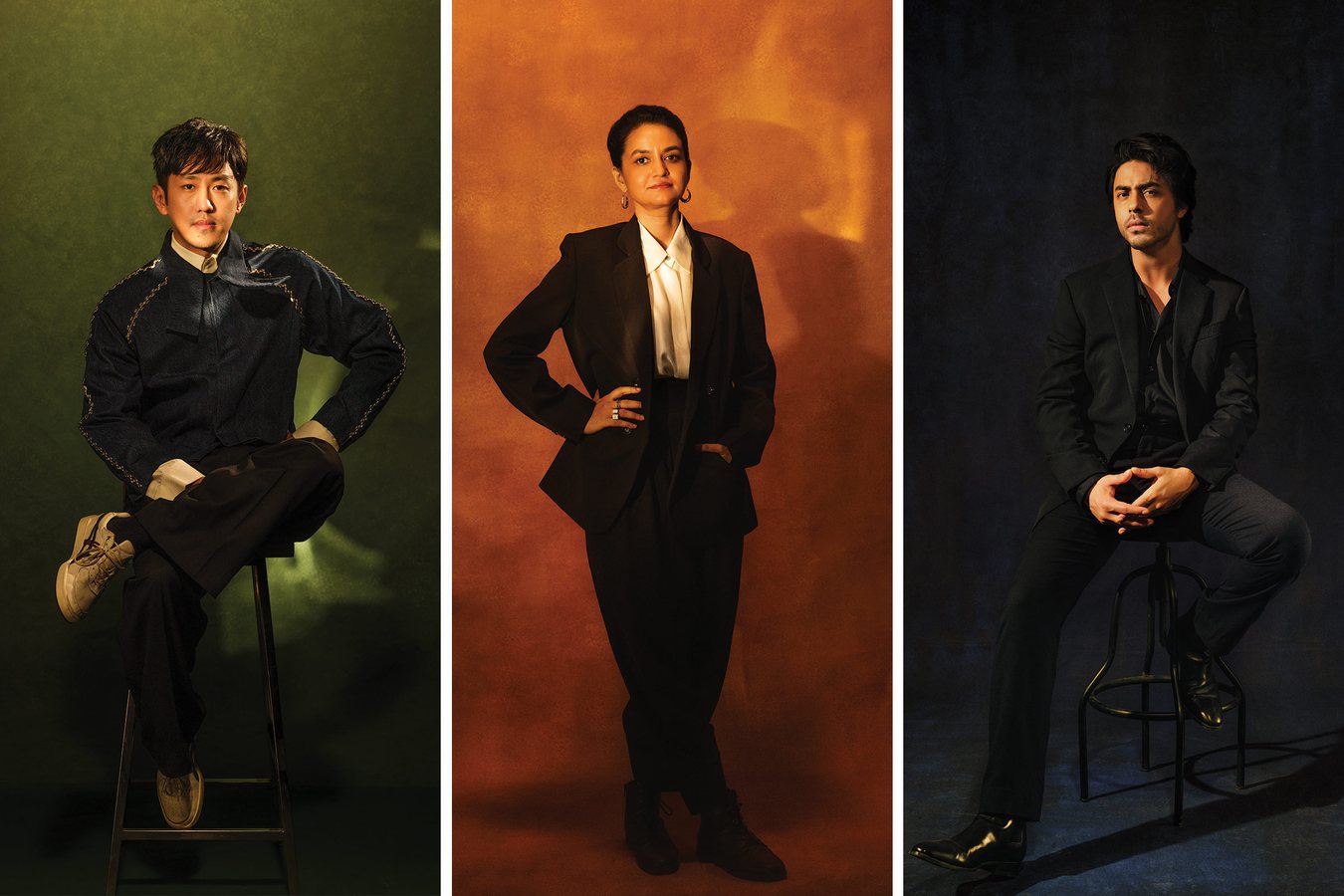
Indian cinema is the largest film producer in the world, and it has long relied on a proven formula of soaring drama, big action sequences and star power. Now a new generation of filmmakers is challenging that template. Aryan Khan, Payal Kapadia and Theja Rio come from very different places, yet each is shaping what Indian cinema can become.
The industry's traditional model has been under pressure. The rise of streaming platforms, falling theater attendance and shifting audience tastes have upended long-held assumptions about opening-day returns, bankable stars and family-friendly storylines. In this period of change, fresh voices have gained a foothold by departing from established conventions rather than repeating them.
Khan, the son of the country's most popular superstar, Shah Rukh Khan, is working to bring the big-budget blockbuster to a new audience. He made a splashy directorial debut in 2025 with the Netflix series The B***ads of Bollywood, a satirical look at the film industry that leans into its own mythology, backstage rumors and familiar archetypes, including a villainous producer and an outsider with talent. The series swept award shows this year. Khan, 29, could have chosen to act, but he has chosen to work behind the camera. He has been an elusive interview subject, and he rejects the idea that he is a perfectionist, though he admits to shooting extra takes to avoid regret in the editing room. In the series, he even staged a moment with Salman Khan, the action star whose career ran alongside his father's romantic-hero persona, and the improvised exchange became one of the show's most memorable scenes. Khan is now working on a second season and another project, and he sees cinema as a form of escape. In his view, most stories have already been told, so the perspective a filmmaker brings is what matters.
Kapadia represents a different lineage. She is carrying forward the legacy of India's Parallel Cinema movement, which emphasized realism and social concerns, and she blends fact, fiction and fantasy into films made for the global stage. A former economics student, she trained at the country's top film school. Her first narrative feature, All We Imagine as Light, won the Grand Prix at Cannes in 2024, a major recognition for an Indian film at one of the world's most prestigious festivals.
Rio's path is shaped by geography and isolation. He grew up in a hill town in one of India's border states, where there were no local cinemas and little on-screen representation of his culture and people. Last month, he was honored at the Toronto International Film Festival, accepting the Platform Prize for his debut feature, Angh. His success suggests that stories from India's less-represented regions are finding international attention.
Taken together, the three filmmakers illustrate a broader shift. Their work is widening the range of stories that Indian cinema tells, from satire and global art-house drama to films rooted in regions that have rarely been seen on screen. As the industry adapts to new platforms and new audiences, these directors are helping define what comes next for the country's film culture.
Source: time.com
32