
U.S. Strategic Petroleum Reserve Falls Below 300 Million Barrels
The reserve stood at 298.7 million barrels on Aug. 7, its lowest level since 1983. The drop is in crude oil, not gasoline, and the roughly 8% decline traces back to late June rather than 12 days.
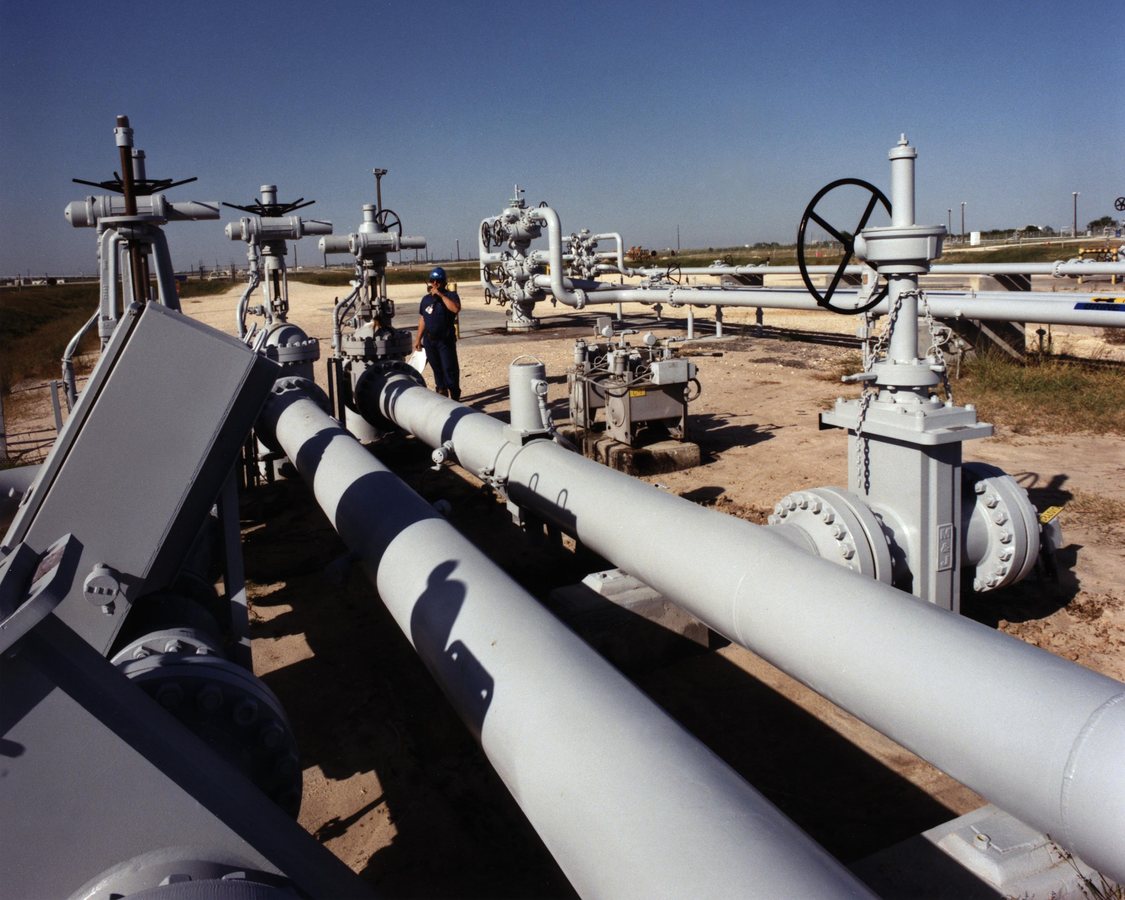
The U.S. Strategic Petroleum Reserve has fallen below 300 million barrels, taking the country's emergency crude stockpile to a level not seen since 1983.
Department of Energy inventory data dated Aug. 7 put the reserve at 298.7 million barrels. Of that total, 105.3 million barrels were classified as sweet crude and 193.4 million barrels as sour crude.
The number is striking, but one distinction matters immediately: the Strategic Petroleum Reserve, or SPR, is a crude-oil stockpile. It is not a reserve of finished gasoline. The oil is held for emergency use and can eventually move through refineries into fuels such as gasoline, diesel and jet fuel, but the 298.7-million-barrel figure itself refers to crude.
The timeline behind another widely repeated figure also changes the scale of the move. A level of about 325.7 million barrels was recorded for the week ending June 26. It was reported at the end of June, not July 29. Comparing 325.655 million barrels on June 26 with 298.7 million on Aug. 7 produces a decline of about 27 million barrels, or 8.3%, over six weeks.
The most recent weekly Energy Information Administration series shows the reserve at 307.650 million barrels on July 24 and 304.809 million on July 31. The Department of Energy's Aug. 7 inventory then puts the total another 6.1 million barrels lower. That is roughly a 2% decline from the July 31 weekly level in a single week.
The bigger shift has been unfolding since spring. EIA data show 415.442 million barrels in the SPR for the week ending March 20. The Aug. 7 total is about 116.7 million barrels lower, a decline of roughly 28% from that March level.
That drawdown is tied to a deliberate emergency policy rather than an unexplained disappearance of oil. In March, the Department of Energy announced that the United States would make 172 million barrels available from the SPR as part of a coordinated action with other members of the International Energy Agency. The broader IEA effort was designed to put 400 million barrels on the market, while U.S. deliveries were expected to occur over about 120 days.
The department has described the U.S. mechanism as an exchange. Companies receiving crude are required to return oil to the reserve later, with additional barrels paid as a premium. DOE said in March that it intended to arrange for roughly 200 million barrels to come back into the reserve within the following year, more than the amount scheduled to leave under the emergency action.
That structure means today's inventory figure measures the oil physically held in the reserve now; it does not by itself measure the government's eventual net position after contracted returns. The timing of those returns, as well as any further emergency actions, will determine how quickly the stockpile can rebuild.
The historical comparison is still unusually stark. EIA's weekly records show 298.379 million barrels on Jan. 28, 1983, followed by 300.917 million on Feb. 4 of that year. At 298.7 million barrels, the reserve is therefore back around levels last seen more than four decades ago.
The SPR was created to give the United States a buffer against severe disruptions in crude supply. It has authorized storage capacity of 714 million barrels in underground salt caverns at four Gulf Coast sites in Texas and Louisiana. The current inventory is less than half of that authorized capacity.
The next question is not simply whether the reserve crosses another round-number threshold. It is how far the 2026 exchange program still has to run, how much crude companies ultimately return, and whether global supply conditions force Washington to use the stockpile again before the replenishment phase is complete.
71