Women Leaders Push AI Debate Toward Sustainability Over Supremacy
At Climate Week and the UN General Assembly, women leaders argue the AI race should focus on sustainable infrastructure, access, and shared prosperity rather than which company builds the best model.
The global conversation about artificial intelligence is shifting away from a contest over technological supremacy and toward a harder question: whether the world can build AI infrastructure that is sustainable, accessible, and broadly beneficial. That reframing was on display during Climate Week and the United Nations General Assembly in New York, where leaders gathered to discuss the energy, policy, and partnership demands of the AI boom.
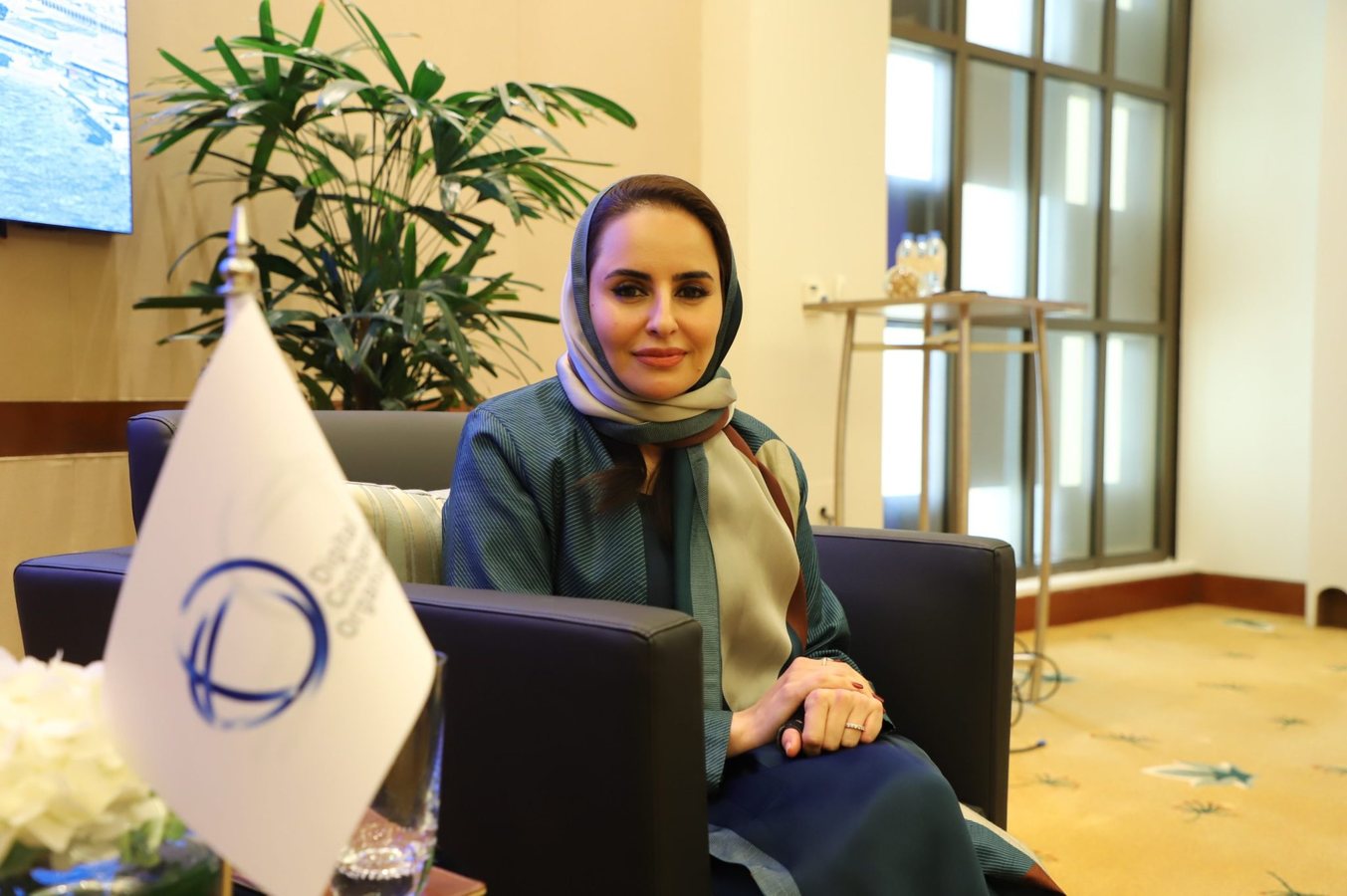
A dinner moderated by journalist Diane Brady and hosted by the Digital Cooperation Organization in collaboration with the Embassy of the Kingdom of Saudi Arabia brought together women leaders who treated AI less as an abstract existential threat and more as a practical reality reshaping skills training, energy priorities, safety concerns, and entrepreneurial opportunity. Among those present were IMF Managing Director Kristalina Georgieva, UN Women Executive Director Dr. Sima Sami Bahous, high-level ministers, ambassadors, and corporate leaders from around the world.
DCO Secretary-General Deemah Al Yahya described the goal as promoting women's participation in the digital economy, from shaping policy priorities and business models to building resilience and shared prosperity. The framing matters because the loudest voices in the AI debate have often been the men running the largest model and chip companies, who have spent considerable energy debating whether AI will ultimately harm humanity.
The sustainability challenge is both literal and structural. Powering the AI revolution requires data centers, energy sources, critical minerals, and financing. Oil prices have surged amid the Iran War, while federal policy shifts have stalled clean energy investment at a moment when other countries are pushing forward and businesses are calling for action on every energy front at once.
Policymakers have responded to local concerns by imposing moratoriums on data center buildouts, citing worries that range from water use to grid reliability. Those concerns are not confined to any one country. In the United States, a Gallup Poll published in May found that 70 percent of Americans do not want new AI data centers constructed in their towns and cities, with many citing potential spikes in water and electricity bills.
Sen. Jon Husted, R-Ohio, told Fox News Digital at the GOP midterm convention in Dallas that data center companies have not done a good job explaining why they should be allowed to develop in communities. But he argued the decision should remain local rather than federal. «That should be a local decision, not a federal decision,» he said. «I don't want the federal government telling you that you must have a data center or that you can't have a data center.»
The geopolitical dimension is equally unsettled. Debates over safety standards, job disruption, and the growing power of those building models, chips, and infrastructure are unfolding in a fragmented world. The United States may dominate the large language model playing field, but opportunities for partnership remain wide open.
French Minister Delegate Éléonore Caroit pointed to Europe as a pole of stability, describing countries that have managed to work together and create a very large market with rules and predictability. «In a world of uncertainty, that matters to investors,» she said, noting France has attracted the most foreign direct investment in Europe and is partnering with allies such as Canada in new ways.
For Brady, the takeaway is that the AI race is less about technological supremacy than about creating a sustainable societal good. It is a test of state capacity and corporate leadership, a battle not only to build clean power but to create credible rules, career paths, and capabilities that benefit the many. The best answer, she suggested, is unlikely to come from the loudest men in the room.
8