
Google AI smartwatch can flag signs of high blood pressure, study finds
Google researchers have shown an artificial intelligence system that uses standard smartwatch sensors can identify signs of hypertension, though the study also exposes limits that users should understand before relying on the technology.
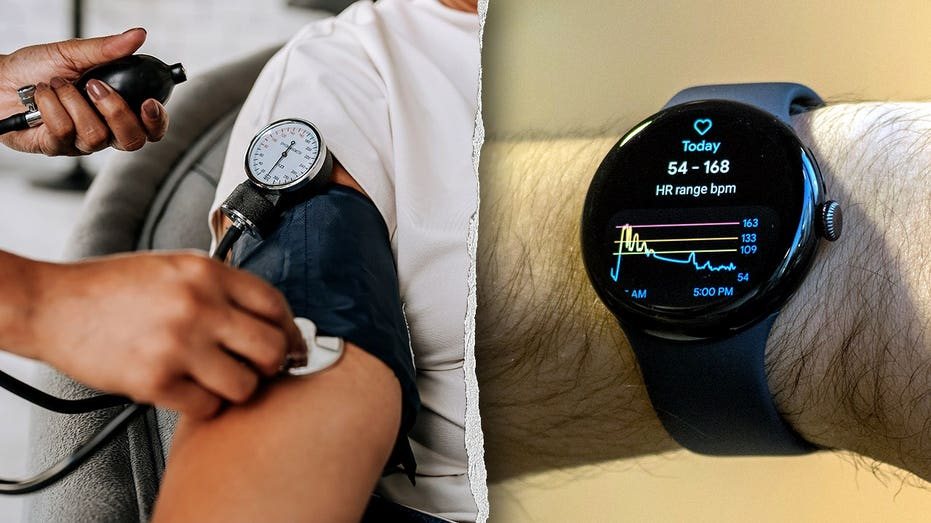
Google researchers have demonstrated an artificial intelligence system that can identify signs of high blood pressure using the sensors already built into many consumer smartwatches. The findings, published in the journal Nature, point to a way of detecting hypertension, a condition that often goes unnoticed for years, without a traditional blood pressure cuff.
High blood pressure is frequently found only during a doctor's appointment, and many people with the condition feel perfectly healthy. Left untreated, it can lead to a heart attack or stroke, often without warning. That is why the researchers see value in tools that run quietly in the background of everyday life. The system works without requiring calibration against a cuff, and it relies on hardware that already exists on people's wrists.
The system draws on two types of sensor data. The first uses light to detect changes in blood volume beneath the skin, the same basic approach many watches use to track pulse. The second measures movement and can capture extremely small vibrations produced by the heart pumping blood. People would not notice those vibrations, but the AI can analyze them alongside pulse patterns to look for signs associated with hypertension. The system collects information over multiple days and combines those patterns with a user's height to estimate the likelihood of sustained high blood pressure.
Unlike a conventional monitor, the smartwatch does not produce a numerical reading such as 120 over 80. Instead, it looks for signs that blood pressure may be consistently elevated. Users would not need to change their routines, since the watch assesses the data while they go about their day.
The work was developed with researchers from Beth Israel Deaconess Medical Center and Harvard Medical School. The team first trained the underlying AI on nearly 500,000 hours of smartwatch sensor data collected from 2,109 consenting participants. The hypertension detection system was then tested in a clinical study involving 196 participants at five U.S. locations. None of those participants had known cardiovascular disease or were taking blood pressure medication.
During the study, participants wore a consumer smartwatch for seven days, and researchers compared the AI's findings with results from 24-hour ambulatory blood pressure monitoring. That medical test uses a cuff to take repeated measurements throughout the day and night, and doctors use it to help confirm hypertension. For comparison, initial blood pressure screenings performed in medical offices identified 55.3 percent of participants with hypertension in the study. According to a Nature Portfolio summary of the findings, the difference between the smartwatch and office screening was not statistically significant.
Researchers also examined a smaller group of 48 people whose blood pressure was elevated during their first doctor's visit. In that group, the AI correctly identified 78.4 percent of those with ongoing hypertension and correctly ruled out the condition in 90.9 percent of those without it. The results are encouraging, but the researchers acknowledge that the technology needs testing on more people before its reliability can be fully established.
Google has already introduced related features for owners of its Pixel Watch devices. According to the company's September announcement of its Health Guardian features, a blood pressure trends tool is available through the Google Health app at no additional subscription cost on eligible Pixel Watch 3, Pixel Watch 4 and Pixel Watch 5 models, depending on region. The feature analyzes pulse and movement patterns over time and provides a monthly assessment of whether a user's blood pressure trend appears high. Google says these capabilities are informed by clinical research, including work connected to the newly published findings.
There is an important distinction, however, between the experimental system described in Nature and the feature available on watches today. The research shows what is possible, but it does not mean a smartwatch can replace a blood pressure measurement or a medical diagnosis. Anyone who receives an alert or sees a concerning trend should follow up with a healthcare provider, who can confirm the reading with proper testing and decide on any next steps.
Source: foxnews.com
18