WNBA Discourse Around Caitlin Clark Shifts Away From Basketball, Critics Say
Three years into Caitlin Clark's WNBA career, the conversation has increasingly focused on culture-war issues rather than her on-court performance, with recent comparisons and media criticism sparking debate.
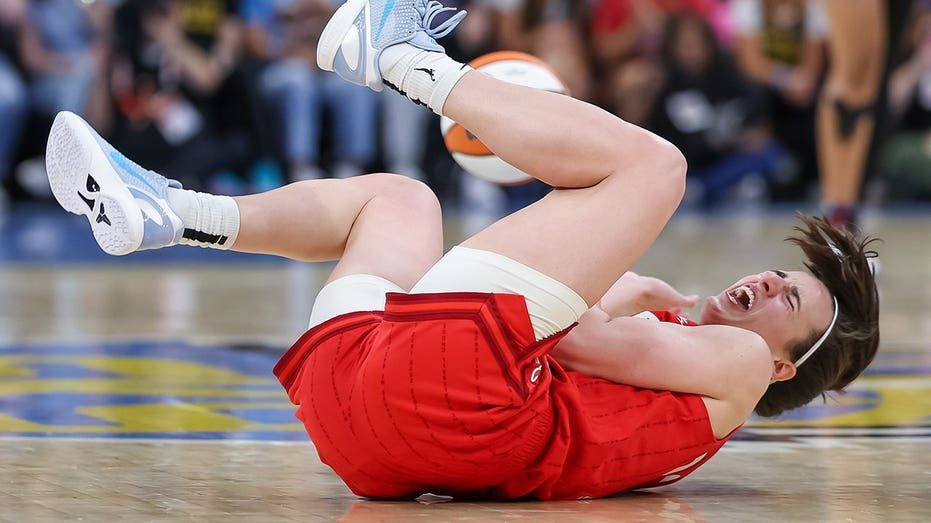
The ongoing discourse surrounding Caitlin Clark in the WNBA has increasingly moved away from basketball performance and into contentious cultural debates, according to multiple media observers. Three years into her professional career, the Indiana Fever star remains a central figure in league storylines, but analysts note that discussions about her play have been overshadowed by social and racial controversies.
Recent events have amplified the trend. USA Today drew widespread criticism after publishing a column that compared Clark's playing style, including her flopping, to the lynching of Emmett Till. The publication later issued a correction, but the analogy sparked outrage. Shortly after, ESPN analyst Monica McNutt accused Clark of lacking accountability and self-awareness, suggesting that the player bears some responsibility for the negative attention she receives from opponents and fans. McNutt has previously argued that young White fans support Clark because of racial bias.
Other commentators have weighed in. Jemele Hill, a former ESPN journalist, has repeatedly framed criticism of Clark as rooted in racism and hatred of Black women. Hill told the Los Angeles Times that race and sexuality play a central role in Clark's popularity. Meanwhile, social media exchanges involving players such as DiJonai Carrington have further fueled the narrative that the league is divided along personal and racial lines. Supporters of Clark argue that she is simply held to a different standard and that her on-court treatment, including physical play, is not reciprocated fairly.
Clark has made efforts to address the perception of privilege. At the end of her rookie season, she publicly acknowledged her white privilege and later spent time with former President Barack Obama during All-Star Weekend. Despite these gestures, the antagonism from some players and media figures has not subsided. Critics continue to argue that the intensity of the backlash against Clark is disproportionate and that her fans are often labeled as racist simply for supporting her.
Sophie Cunningham of the Phoenix Mercury is one of the few WNBA players who has openly capitalized on Clark's star power, building a broader personal brand. However, many observers believe the league as a whole has missed a significant opportunity. Instead of riding the wave of new viewership, a vocal segment of players and pundits has focused on grievances, potentially alienating fans. The WNBA's growth potential remains strong, but the persistent cultural battles risk stalling that progress.
The persistent focus on off-court issues has raised questions about whether the WNBA can fully capitalize on the heightened interest Clark has brought to the league. Some observers worry that the cycle of accusations and defensiveness may lead to a serious on-court incident. Others believe the tension will eventually subside as Clark's career progresses. For now, the debate continues to dominate headlines, leaving basketball itself as a secondary topic in many discussions about the league's rising star.

96