Twitter/X Marks 20 Years as Global Censors Continue to Target Free Speech Online
As Twitter/X celebrates 20 years since its public launch, the platform remains a battleground for free speech, with governments and media elites attempting to control online discourse, according to a commentary by Dan Gainor.
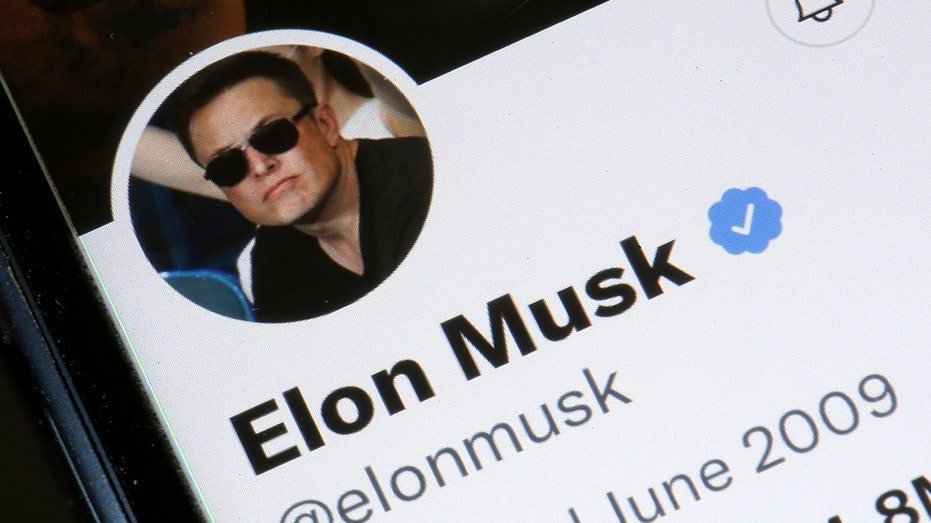
Twenty years after its public launch on July 15, 2006, Twitter/X remains a lightning rod for global censorship efforts, as governments and establishment media continue to struggle with the platform's inherent freedom of expression. The social media giant, which has reshaped how information spreads worldwide, has become a central front in the ongoing battle between unrestricted speech and state-backed control.
Dan Gainor, a veteran online commentator who has been active on the internet for over three decades and whose own Twitter/X account recently turned 18, argues that the platform's impact is both profound and polarizing. «What mankind is still wrestling with is whether that's good or bad,» Gainor writes. «To be fair, it's a lot of both.» This unpredictability, he contends, is precisely what governments and left-leaning journalists fear most.
The platform's ability to disseminate unfiltered content has been demonstrated repeatedly, from the viral spread of the Charlie Kirk assassination video to real-time coverage of attacks on President Donald Trump, terrorism, and the war in Ukraine. Gainor asserts that this level of unrestricted freedom threatens authoritarian regimes and democratic governments alike, as it empowers ordinary citizens to bypass traditional gatekeepers. «If no one can tell what officials are doing, no one can stop them,» he notes.
Gainor highlights a near-miss for American free speech during the Biden administration, when major social media platforms allegedly coordinated with foreign entities and fact-checkers to suppress certain narratives. He credits Elon Musk's acquisition of Twitter and Donald Trump's reelection with breaking what he calls the «social media cartel» and averting widespread censorship in the United States. However, he warns that censors have not abandoned their efforts, given the immense power at stake.
The commentary also underscores the dual nature of social media's reach. While platforms like Twitter/X, Facebook, Instagram, and TikTok have enabled ordinary people to achieve viral fame—such as the young woman frustrated by puzzle pieces being forced into a square hole, or Secretary of State Marco Rubio becoming a lasting internet meme—they have also facilitated the spread of harmful content. Criminal gangs, traffickers, and purveyors of violent or explicit material now have unprecedented access to global audiences. «Spend lots of time on social media, and you see the best and worst of mankind,» Gainor observes.
Gainor argues that the internet has fundamentally shifted power away from traditional media gatekeepers. Establishment outlets like The Washington Post and The New York Times now face pushback from a more critical public, as evidenced by the Hunter Biden laptop story and the debunked Russian collusion narrative, both of which gained traction through social media despite efforts to suppress them. The recent defunding of NPR and PBS in the U.S., Gainor suggests, reflects a growing public awareness of media bias.
However, this freedom comes at a cost. Gainor points to a global effort to demonize Jewish people and the popularity of terrorist groups like Hamas, which used social media to broadcast its October 7 attacks on Israel. The same platforms that empower truth-seekers also amplify hate and disinformation, making it increasingly difficult to distinguish fact from fiction.
Governments worldwide are fighting back against online free speech, according to Gainor. He cites actions by the United Kingdom, Germany, Canada, Australia, and France, all of which have implemented or proposed restrictions on social media content. The UK, he notes, has gone from prosecuting a few posters to arresting 12,000 people annually for free speech offenses, while the current Labour government has proposed tighter restrictions during elections. The European Union has advanced age verification measures that could effectively end anonymity online, and British regulator Ofcom has sent letters to at least 197 U.S. firms regarding content that is legal in America.
Gainor concludes that the battle over free speech on platforms like Twitter/X is far from over. As the platform enters its third decade, the tension between openness and control continues to define the digital age, with profound implications for democracy, journalism, and individual rights worldwide.