Stephen A. Smith Criticized for Remarks on White Lakers Players
Sports commentator Stephen A. Smith faces backlash after suggesting the Los Angeles Lakers' roster, featuring three white players in the post-LeBron James era, is unusual for the NBA. Critics accuse him of racism and double standards.
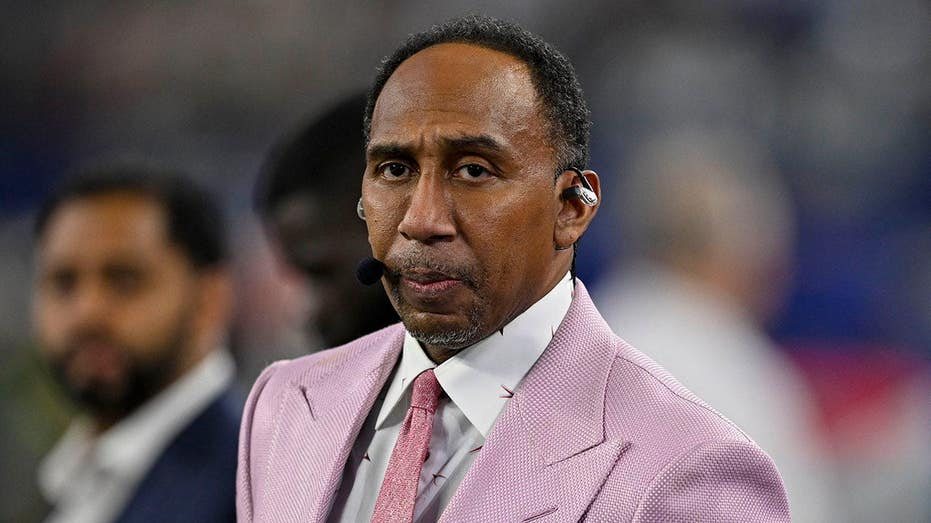
Sports commentator Stephen A. Smith has come under fire for recent remarks about the Los Angeles Lakers' roster, which he described as having too many white players in the post-LeBron James era. During a segment on his show, Smith noted that the team's top three players are white and commented, «This ain't golf. This ain't baseball. It ain't even soccer.» The comments have sparked a heated debate about race, double standards, and the role of identity in professional sports.
Critics, including Fox News opinion contributor Corey Brooks, have accused Smith of racism, arguing that he is applying a double standard by scrutinizing the racial composition of the Lakers' roster. Brooks wrote that Smith's remarks suggest basketball has a «pigmentation requirement» and that he is «teaching our children that Black people are entitled to the NBA court because they are, well, Black.» Brooks further argued that if a white commentator had made similar comments about a predominantly Black team, Smith would be among the most outraged.
The Lakers, who have a storied history of featuring Black superstars like Magic Johnson, Kareem Abdul-Jabbar, and Kobe Bryant, are now led by players such as Austin Reaves, Rui Hachimura, and others who happen to be white. Smith's comments have reignited discussions about racial expectations in basketball, a league where Black players have historically been overrepresented compared to the general U.S. population. According to NBA data, approximately 70% of players are Black, while white players make up about 18% of the league.
Smith, a prominent ESPN personality and podcast host, has built a media empire worth millions and is known for his outspoken views on sports and social issues. However, his latest remarks have drawn criticism from both conservatives and some liberals who accuse him of hypocrisy. Brooks noted that Smith's comments reflect a broader liberal double standard, where pointing out racial disparities is acceptable only when it aligns with certain narratives. «You cannot condemn racism against your own group while excusing it against another,» Brooks wrote.
The controversy comes amid broader debates about diversity and inclusion in sports. While many celebrate the increasing representation of Black players in basketball as a sign of progress, critics argue that the same logic should apply when white players excel. The Lakers' current roster, which includes players of various ethnic backgrounds, has been praised for its talent and chemistry, regardless of race. The team's management has emphasized that hiring decisions are based on skill and performance, not skin color.
Smith has not publicly responded to the backlash, but his comments have sparked a wider conversation about the role of race in sports commentary. Some supporters argue that Smith was simply pointing out an unusual statistical anomaly, given the NBA's demographic trends. Others contend that his remarks were unnecessary and divisive. The incident has also highlighted the challenges of navigating race in public discourse, where even well-intentioned observations can be perceived as prejudiced.
Brooks concluded his opinion piece by calling for a colorblind approach to sports commentary. «Talent doesn't check a box. It shows up, or it doesn't,» he wrote. «When Stephen A. Smith frames three great players as some kind of anomaly because of their skin color, he's not being bold or honest. He's showcasing the worst in us: tribalism, racism, division, entitlement.» The debate over Smith's remarks is likely to continue as the Lakers prepare for the upcoming season, with fans and analysts alike watching how the team performs on the court, regardless of the racial makeup of its roster.

106