
Reusser dominates Tour de France Femmes time trial as Ferrand-Prévot loses time
Swiss rider Marlen Reusser set the best time in the stage 4 time trial of the Tour de France Femmes, while Pauline Ferrand-Prévot lost significant time on the 21 km course from Gevrey-Chambertin to Dijon.
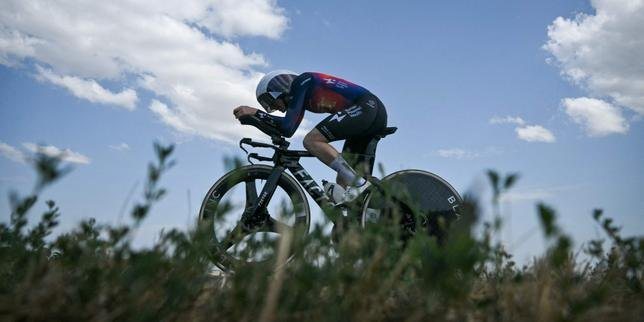
The Tour de France Femmes was turned on its head on Tuesday when Marlen Reusser set the fastest time in the stage 4 individual time trial, while Pauline Ferrand-Prévot lost significant time in a difficult ride between Gevrey-Chambertin and Dijon. The result reshaped the general classification and gave the 2026 edition its first major showdown of pure strength.
The 21-kilometer race against the clock marked the return of time trialing to the women's Tour after a two-year absence. Starting in Gevrey-Chambertin and finishing in Dijon, the course took the riders across the rolling roads of the Côte-d'Or and demanded a sustained, powerful effort from the first kilometer to the last. The discipline, often described as the race of truth, left no room for teammates or tactics, forcing every rider into an individual battle against the clock. For a peloton that had spent the opening days of the edition racing in a bunch, it was a different and unforgiving challenge.
Reusser, a Swiss rider widely regarded as one of the strongest time trialists in the women's peloton, produced a commanding performance. She set the day's benchmark time and controlled her effort throughout, giving her rivals no opportunity to close the gap on the Burgundy roads. Her time stood as the reference point for the later starters, and it never appeared under serious threat as the stage unfolded. The performance confirmed her as one of the major forces of this year's race and gave her a strong platform for the days ahead.
Ferrand-Prévot's outing was a stark contrast. The French rider, one of the most closely watched figures in the event, encountered difficulties and lost substantial time, a clear setback for her overall ambitions. The day's result will likely force a recalculation of her chances, and the deficit she conceded will be difficult to erase as the Tour moves on. She will now have to look for opportunities in the upcoming stages, where a different type of terrain may offer her a chance to recover.
Tuesday's stage carried significance well beyond the individual result. It was the first time trial on the Tour de France Femmes in two years, restoring a format that often decides the fate of the general classification. The specialists were handed a rare chance to gain time in a single effort, while the overall contenders had to balance ambition against the risk of losing minutes. For Reusser, the opportunity was fully seized; for Ferrand-Prévot, the risk materialized in full.
The consequences of the day will now ripple through the race. For Ferrand-Prévot, the performance gap exposed on the roads between Gevrey-Chambertin and Dijon will not be easy to close, and she faces a difficult path if she hopes to remain in contention for the top places. For Reusser, the stage confirmed her standing as a genuine contender for the overall classification. The margin between triumph and disappointment in a time trial can be measured in seconds, and Tuesday's stage offered a stark demonstration of that reality.
The stage underlined the fine margins of elite cycling. A single effort against the clock reshaped the narrative of the 2026 Tour de France Femmes, and the full extent of the damage done on Tuesday will become clearer when the race resumes. The only certainty is that the time trial's return has already made this edition a harder contest for everyone.