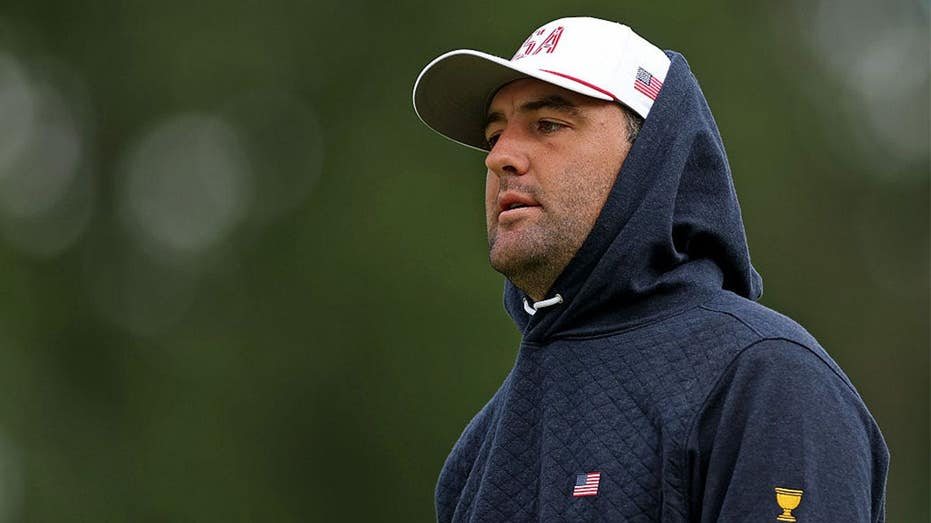
Liverpool blows 2-0 lead in 3-2 Monaco loss at Anfield
Alexander Isak and Florian Wirtz put Liverpool in control, but Monaco scored three unanswered goals and completed the comeback with Paris Brunner’s 88th-minute header.
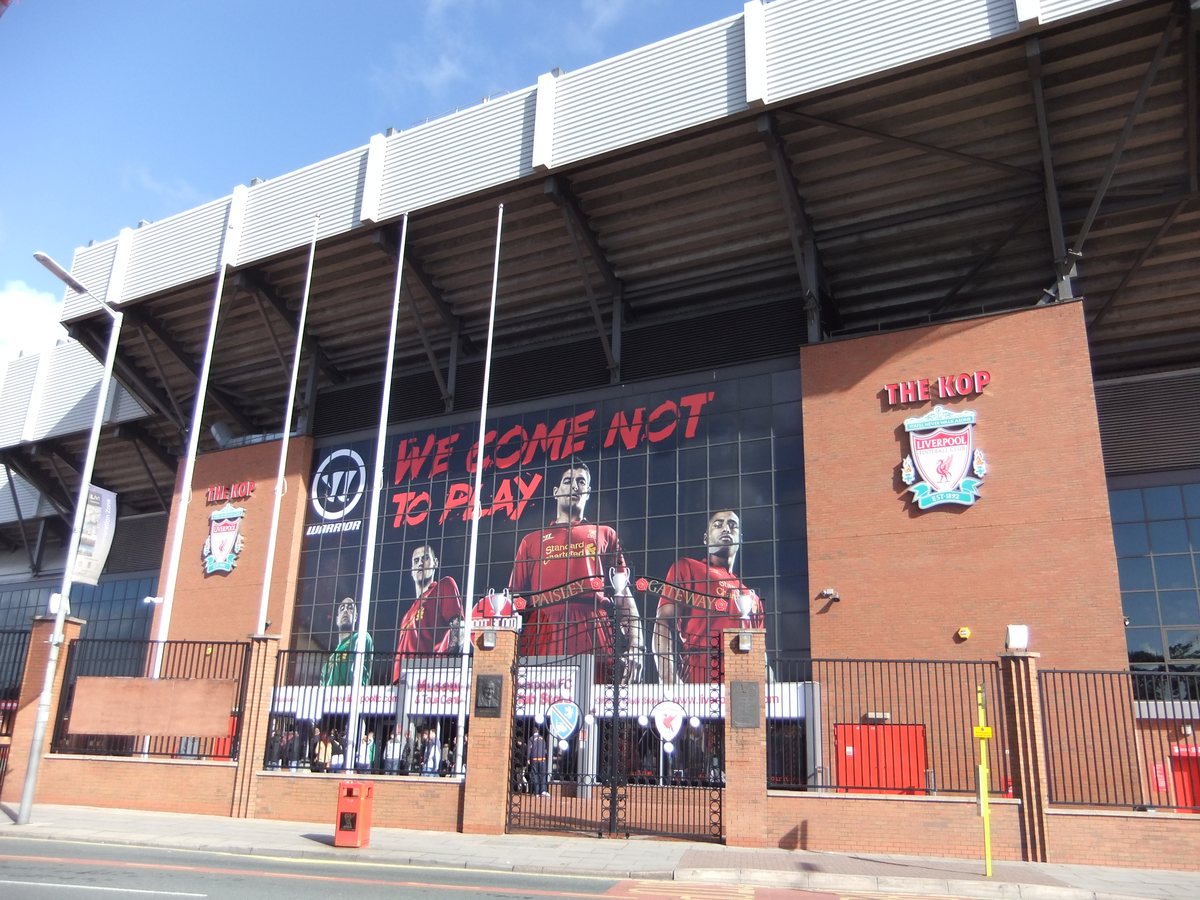
Liverpool’s first home appearance under Andoni Iraola delivered the kind of preseason match that is useful precisely because it was uncomfortable. The Reds led Monaco 2-0 inside half an hour at Anfield, looked sharp in attack, and then watched the game turn completely. Monaco scored three unanswered goals and won 3-2, with Paris Brunner heading the decisive goal in the 88th minute.
The opening phase showed why there is excitement around Iraola’s Liverpool. Alexander Isak scored in the 16th minute, and Florian Wirtz added a second in the 29th. Liverpool played at speed, pressed high and moved quickly into attacking positions. For roughly half an hour, Monaco were reacting to the home side rather than imposing their own rhythm.
The first warning arrived just before halftime. Virgil van Dijk fouled Aleksandr Golovin in the penalty area, and Golovin converted the resulting spot kick in the 44th minute. A game that had looked comfortable at 2-0 suddenly became a one-goal contest. Monaco had a route back, while Liverpool lost the cushion that might have made the second-half rotation easier to manage.
Monaco equalized in the 56th minute. Mika Biereth’s first effort was saved, but the forward reacted to the rebound and finished the second chance. By then, both coaches were making extensive changes. The match became more fragmented, and Liverpool no longer had the same collective pressure or clean attacking connections that had defined the opening stretch.
The visitors handled that changing game better. Monaco kept finding opportunities and finally went ahead in the 88th minute, when Brunner met a corner from the left and scored with a header. Liverpool had little time to respond, and the final whistle left Iraola with a 3-2 loss in his first match in the Anfield home dugout.
Iraola took over Liverpool on June 4, replacing Arne Slot. After the match, he focused less on the score than on the team’s ability to sustain its level. His assessment was that Liverpool dropped physically after the substitutions and could not maintain the intensity of the first phase. That is a classic preseason issue, but it matters because his preferred football depends heavily on coordinated pressure and repeated high-energy actions.
There is also a pattern worth monitoring. Liverpool’s previous preseason game, against Leeds in Chicago, ended in a 4-2 defeat after the Reds had also led 2-0. Two blown two-goal leads in friendly matches do not define a season, but they give coaches a clear set of questions: how does the team react after conceding, how stable is the structure after substitutions, and how effectively can it defend set pieces late in games?
For American readers, Liverpool’s preseason has had unusual visibility this summer. The club played three matches in the United States before returning to Anfield, and Liverpool says it has more than 26 million supporters in the country. That gives a game like Monaco broader relevance than a typical European warm-up: many US fans just saw the team in Nashville, New York and Chicago and are now watching how the same tactical project looks back home.
Monaco are undergoing their own transition. Filipe Luís was appointed head coach in July, and the Anfield match formed part of a six-day training camp in England. The comeback was a useful sign for his squad because it came through different phases: a penalty before halftime, an equalizer early in the second half and a late set-piece winner after substantial rotation.
Liverpool have another week before their next major Anfield test, against Como 1907 on August 16. The Monaco defeat does not erase the promise of the Isak-Wirtz start. It simply puts the next step in focus. Iraola’s team can already create the kind of high-tempo attacking spells that make Anfield feel familiar. Now it has to prove that those spells can become a 90-minute structure rather than a 30-minute glimpse.
The US connection also changes how preseason performance is consumed. Liverpool’s summer matches in America placed the new coaching project directly in front of a large audience before the club returned home. Fans who saw the 4-2 defeat to Leeds in Chicago then watched a similar two-goal lead disappear against Monaco. That continuity makes the tactical question easier to recognize even across different venues and opponents.
The important caveat is that preseason substitution patterns are not the same as competitive management. Iraola is trying to spread minutes and test combinations, not maximize the probability of protecting a 2-0 score at all costs. Still, the team’s principles should survive those changes. Pressing angles, spacing and set-piece concentration are transferable habits, and Monaco exposed where those habits are not yet fully embedded.
For Liverpool’s attack, the night remained encouraging. Isak and Wirtz did not need 90 minutes to show how quickly they can make a game look dangerous. If the rest of the squad can support that attacking ceiling with better game control, the first half may end up being more predictive than the final score. If not, opponents will know that surviving the opening wave can create opportunities later.
That is what makes the Como match useful. Liverpool do not need a cosmetic win; they need evidence that the second and third units can sustain the same collective behavior. A strong response would turn Monaco into a valuable stress test. Another collapse after rotation would give Iraola a much more urgent problem with competitive football approaching.

77