Court rulings open path for NFL players to return to college football via transfer portal
A Louisiana court ruling has allowed NFL-contracted players to enter the NCAA transfer portal, creating a legal pathway for professional athletes to return to college football as eligibility lawsuits against the NCAA continue to mount.
As the college football season prepares to kick off next weekend, a wave of NFL players is being granted the opportunity to enter the transfer portal and potentially join college rosters, thanks to a series of court rulings that have thrown NCAA eligibility rules into disarray.
The unusual situation stems from a temporary restraining order issued by Judge Will Jorden of the 19th Judicial District Court in Baton Rouge, Louisiana. The order, granted in a lawsuit against the NCAA, allows plaintiffs to use a makeshift transfer portal that will remain open for seven days. This ruling has opened the door for athletes who have signed contracts with NFL teams to pursue an additional season of collegiate eligibility.
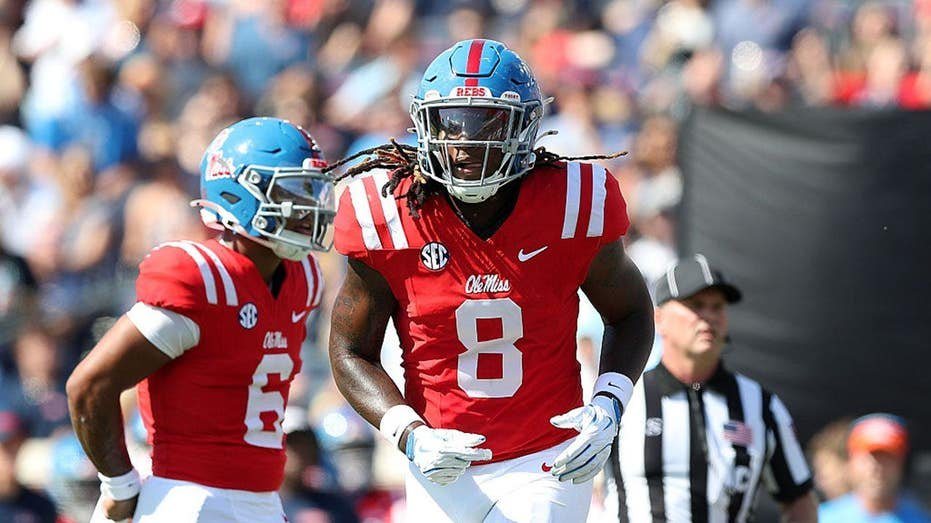
On Thursday, former Ole Miss tight end Dae'Quan Wright reportedly became the first player to take advantage of this legal development, entering the NCAA transfer portal while under contract with an NFL team. Wright is currently participating in training camp with the Cleveland Browns after initially signing a free-agent contract with the Philadelphia Eagles. The move raises immediate questions about how the process will work, particularly since Wright is not currently enrolled at any university.
The legal battle traces back to the NCAA's new eligibility guidelines, which afford athletes five years to play five seasons of college sports. The controversy centers on the NCAA's decision not to include the 2022 class under these new rules. Players who declared for professional drafts did so under the impression that they had exhausted their collegiate eligibility under the old regulations, and they now argue they were unfairly denied the opportunity to benefit from the updated guidelines.
This is not an isolated case. Similar lawsuits have been filed across the country, from California to South Carolina, with most rulings going in favor of athletes challenging the NCAA. In a recent Tennessee case, Chancellor I'Ashea Myles denied an NCAA appeal, writing that "the evidence in the record demonstrates that the NCAA has applied its rules inconsistently and arbitrarily, applying certain eligibility rules to certain athletes but not to others."
Former LSU defensive lineman Jack Pyburn is among the players seeking relief through the courts. Pyburn is currently battling for a spot on the Tampa Bay Buccaneers' 53-man roster and has joined the growing list of athletes suing the NCAA for eligibility restoration. The latest victory for plaintiffs came in Baton Rouge, the same city where LSU is based, adding another layer of complexity to the unfolding legal saga.
Colleges now find themselves navigating a precarious position, trying to balance the rules they voted to enact with a legal system that could allow them to add experienced players to their rosters. While schools are not permitted to file lawsuits on behalf of athletes, the current trajectory suggests it may not be long before a school sues its own conference over enforcement of rules pertaining to intra-conference transfers.
The court orders protecting these athletes also shield schools from NCAA punishment. If a school adds a player under the protection of a court order, it is not at risk of NCAA sanctions for doing so. However, a significant complication remains: athletes who have received money during the NFL process may be required to repay those funds before they can take the field again at the collegiate level.
The situation has created confusion among coaches, administrators, and players alike, with questions being answered on the fly as the legal landscape continues to shift. One of the central unresolved issues is who exactly has the authority to enter a player's name into the transfer portal when that player is not enrolled at a school. The court order specifies that a "member institution" must enter the name into the database, but it remains unclear whether a player's former school would accommodate such a request for a non-enrolled athlete.
Additional complications arise from conference-specific rules. The SEC, for example, has a rule that does not allow athletes to transfer within the conference outside of the portal period. This raises questions about whether players like Wright, who previously played in the SEC, could transfer to another school within the same conference under the court-ordered portal.
The NCAA has shown no signs of surrendering, as eligibility lawsuits for the 2022 class have turned into an all-out legal war. Judges across the country have become increasingly critical of the NCAA's inconsistent application of its own rules, leading to more lawsuits being filed by athletes hoping to receive similar relief while their underlying cases play out.
As the college football season approaches, the full impact of these rulings remains uncertain. What is clear is that the traditional boundaries between professional and collegiate athletics are being redrawn in courtrooms across America, with athletes, schools, and conferences all trying to adapt to a rapidly changing legal environment.

69