Colombian Soccer Federation Demands Investigation After Death Threats Against Player
The Colombian Soccer Federation has called for an investigation after midfielder Jaminton Campaz and his family received death threats following Colombia's World Cup loss to Switzerland, invoking the memory of Andres Escobar's murder 32 years ago.
The Colombian Soccer Federation has condemned death threats made against midfielder Jaminton Campaz and his family after he missed a crucial scoring chance during Colombia's Round of 16 loss to Switzerland at the Women's World Cup earlier this week. The federation called on the country's attorney general's office to investigate the threats, which flooded Campaz's social media accounts following the match.
Campaz, a key player for Colombia, missed a scoring opportunity in extra time before Switzerland advanced in a penalty shootout. After the match, his social media accounts were inundated with negative comments and threats, prompting him to limit comments on his accounts and, as a precaution, avoid taking the return flight to Colombia with his teammates. The federation expressed solidarity with Campaz and his family, stating that no athlete should face intimidation for representing their country.
The incident has drawn comparisons to the murder of Andres Escobar, a Colombian defender who was killed in Medellin in 1994, days after scoring an own goal in a World Cup match against the United States. The federation's statement highlighted the need to prevent such tragedies, emphasizing that football should be a space for unity and respect, not hatred or violence. The federation urged fans to ensure that sporting disappointments do not translate into real-world aggression.
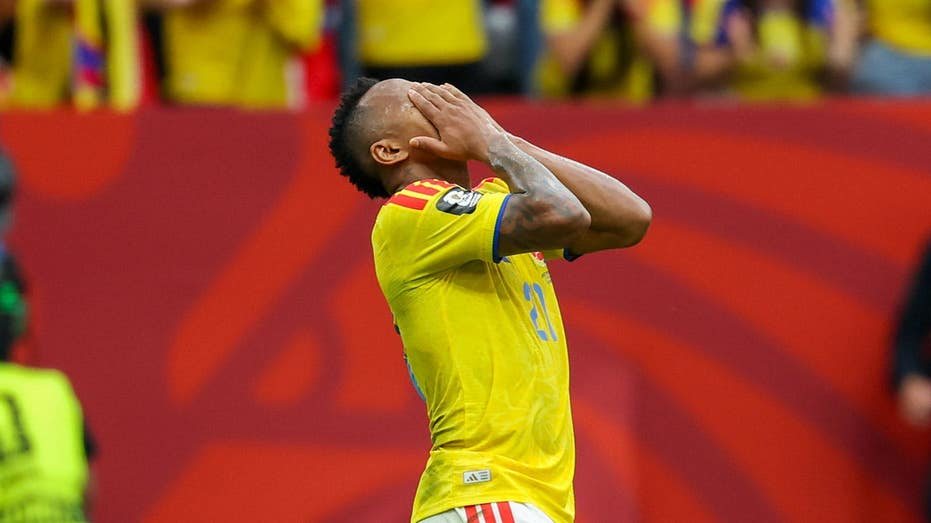
On Instagram, Campaz shared a photo of himself covering his face in frustration, accompanied by a plea for respect. He wrote, «Football is also made up of difficult moments. My Colombia, please let us never lose sight of respect. We may think differently or feel frustration and sadness, but no passion justifies hatred or living in fear.» His message resonated with many fans and players, who expressed support online.
The Colombian Soccer Federation's executive committee issued a statement calling for a swift investigation to identify and prosecute those responsible for the threats. The federation said, «No athlete, nor any member of their camp, should be subjected to intimidation for representing their country in a sporting context.» It also called on fans to maintain respect and avoid violence, noting that football must remain a source of hope and unity.
The threats against Campaz come amid a broader context of online harassment targeting athletes, particularly in high-stakes international competitions. Social media platforms have faced criticism for not doing enough to protect users from abuse, and this incident has reignited calls for stronger measures. The federation's demand for an investigation underscores the seriousness of the issue, as threats of violence can have real-world consequences.
Switzerland will face Argentina for a spot in the World Cup semifinals on Saturday, while Colombia's team has returned home. The federation has not announced any further actions but reiterated its commitment to player safety. The case has also drawn attention from international soccer bodies, which have condemned the threats and called for accountability.
The memory of Andres Escobar's murder remains a painful chapter in Colombian soccer history, and the federation's response reflects a determination to prevent similar tragedies. Escobar's death shocked the soccer world and led to increased security measures for players. The current situation highlights ongoing challenges in protecting athletes from fan violence, both online and offline.
Campaz's teammates and coaching staff have expressed support for him, with some posting messages of solidarity on social media. The federation has also offered psychological support to the player and his family. As the investigation proceeds, the soccer community watches closely, hoping that justice will be served and that such incidents will not recur.

89