Candace Parker Tells WNBA Players to «Go to Therapy» Over Caitlin Clark Ranking Snub
WNBA legend Candace Parker criticized league players for voting Caitlin Clark the 11th-best guard, calling the ranking disrespectful and driven by insecurity, while highlighting Clark's record-breaking impact on the league.
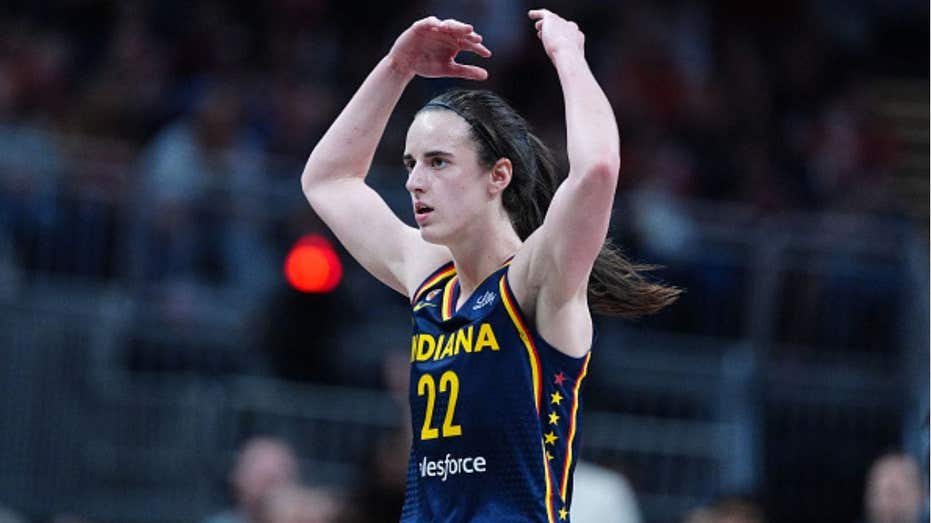
Candace Parker, a three-time WNBA champion and two-time MVP, has publicly rebuked fellow players for ranking Indiana Fever guard Caitlin Clark as the 11th-best guard in the league, calling the vote a reflection of deep-seated insecurity rather than objective performance. Speaking alongside Fever forward Aliyah Boston, Parker did not mince words, telling Clark's detractors they need to «go to therapy» and confront their own biases.
The peer-voted survey, conducted among current WNBA players, placed Clark well below her statistical output and cultural influence. Parker, a seven-time All-Star and two-time Olympic gold medalist, said the ranking was «crazy» and symptomatic of a league-wide pattern of disrespect toward Clark. «I think people need to look at themselves in the mirror and realize you've got some insecurities, if you're sitting down and putting Caitlin Clark as the 11th-best guard,» Parker said. She added, «Y'all need to go to a therapist and figure out what childhood issues you have.»
Parker contrasted Clark's treatment with her own era, noting that even when she personally disliked rivals like Diana Taurasi or members of the Minnesota Lynx, she never omitted them from All-Star ballots. «As much as I did not like Diana Taurasi, there ain't no way I'm not going to write her as an All-Star,» Parker said. «As much as I did not like anyone on the Lynx because they used to whoop our a**, I'm not going to not put Maya Moore or Sylvia Fowles.»
Clark's exclusion from the top tier of peer voting comes amid a season where she is averaging 21.2 points, 8.2 assists, 4.0 rebounds, and 0.8 steals per game through 30.8 minutes. Those numbers place her among the league's elite offensive players, particularly as a playmaker. Despite the peer snub, Clark finished second overall in fan voting for the All-Star Game, securing a starting spot through the fan and media components of the selection process. Fans account for 50% of the All-Star vote, while players and media each hold 25%.
The tension around Clark is not new. Since her arrival in the WNBA, the former University of Iowa star has drawn both massive crowds and pointed criticism from some players and media figures who argue she has been «overhyped.» Yet the league's attendance and viewership numbers tell a different story. In 2024, the WNBA averaged 9,807 fans per game, a 48% increase from the previous season. Total attendance exceeded 2.35 million, and the number of sellouts jumped from 45 to 154. The league set another single-season attendance record in 2025, a surge widely attributed to Clark's star power.
Clark's impact extends beyond the box score. She has become the face of a league that has long sought mainstream visibility, drawing record television audiences and filling arenas on the road. Her presence has elevated the Fever, who now feature a core of Clark, Boston, and guard Kelsey Mitchell, into playoff contention. Some of Clark's most ardent supporters have even suggested she consider switching leagues to pressure the WNBA into greater respect, though Clark herself has not commented on such proposals.
The peer ranking has reignited debate about how the WNBA's internal culture treats its biggest stars. Parker, who retired as one of the most decorated players in league history, urged the league to implement rules to prevent what she described as a «getting out of hand» pattern of disrespect. «I wholeheartedly believe that there need to be some rules with the WNBA players, because this is getting out of hand,» she said. «Caitlin Clark [being] voted 11th-best guard by WNBA players, that's crazy.»
Parker's comments reflect a broader frustration among fans and analysts who see Clark's treatment as a missed opportunity for the league to embrace its most marketable talent. Without Clark, Parker implied, the WNBA would struggle to maintain its recent growth. «She's been rocket fuel for the league,» Parker said, noting that Clark's appeal should be championed rather than resented.
The controversy over Clark's ranking is unlikely to fade quickly. As the Fever prepare for a Wednesday night matchup against the Los Angeles Sparks, Clark remains the focal point of a league grappling with its own internal dynamics. For Parker, the message is clear: the WNBA's players need to look inward before they can move forward.

113