
Therapists Are Too Quick to Recommend Ending Relationships, Clinician Warns
A practicing therapist argues that mental-health professionals have become too focused on helping clients leave difficult relationships instead of teaching them how to repair meaningful connections, warning that the trend is leaving people lonelier and less equipped to handle conflict.
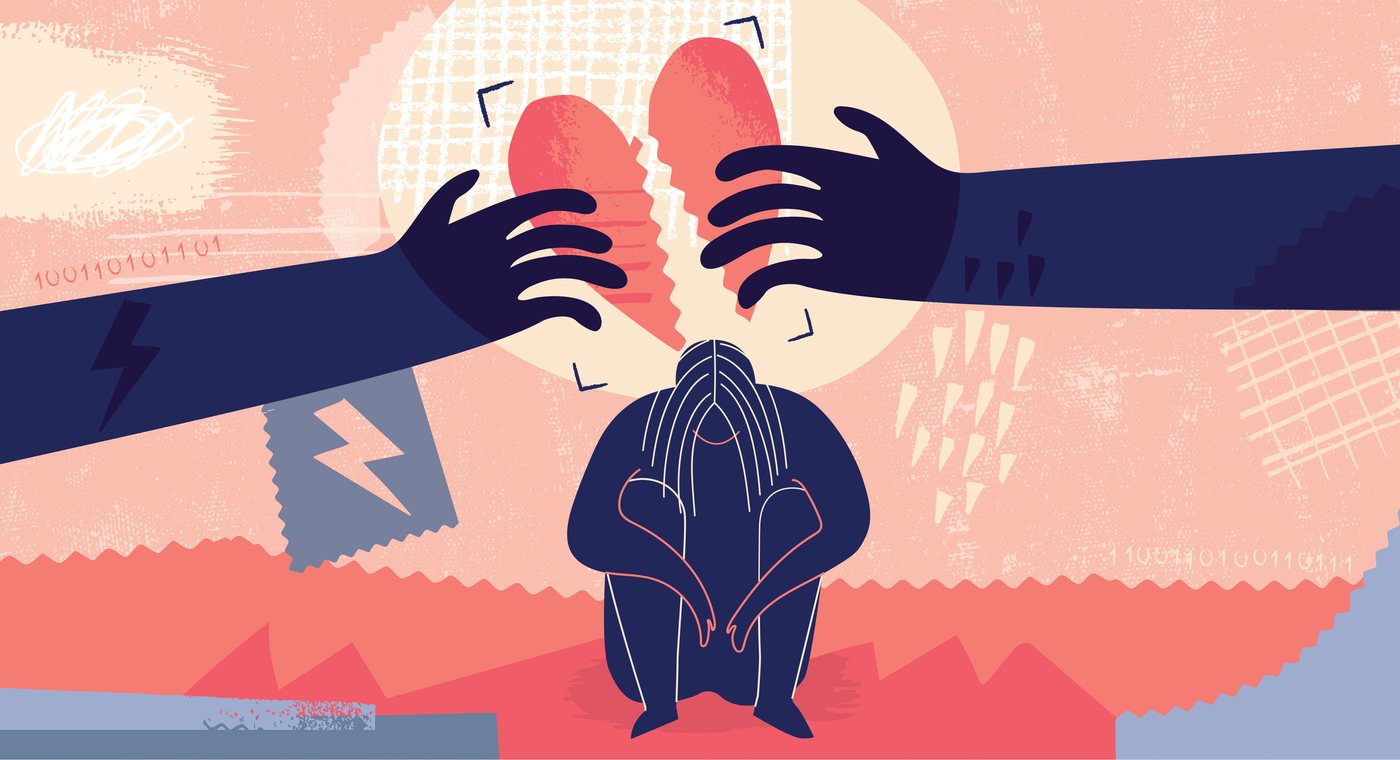
Mental-health professionals have become highly skilled at helping clients identify unhealthy relationships, but a practicing clinician warns that the field is failing at something more fundamental: teaching people how to sustain and repair the difficult but meaningful bonds in their lives. In an essay drawing on more than 20 years of clinical experience, the therapist argues that the profession has developed a sophisticated vocabulary for boundaries, trauma, toxicity, narcissism, and emotional safety, yet has grown surprisingly quick to undervalue relationships outside the therapy room.
The concern extends well beyond romantic partnerships. The therapist points to a Wall Street Journal column that reported on therapists encouraging adult children to go «no contact» with their parents, often after minimal effort to mend ruptures. A survey of roughly 7,000 estranged parents found that one-third believed their adult child's therapist had influenced or even recommended the decision to cut ties. Similar patterns appear in marriages, among siblings, and in friendships, the essay argues.
The core problem, the therapist writes, is that relational distress is too often mistaken for relational dysfunction. In reality, walking away from another person frequently solves one problem while creating others. The immediate conflict may disappear, but so does the connection. Many clients who have ended relationships that took a lifetime to build find themselves lonelier and less equipped to navigate conflict, disappointment, and repair in other areas of their lives. Tragically, many who cut off contact with loved ones become more distressed in the long run, since close relationships are a foundation of mental health.
The therapist illustrates the point with a case from about 15 years ago. A woman sought help because she was deeply concerned about her husband, who had obsessive-compulsive disorder. The husband entered treatment, worked hard, completed difficult exposure therapy exercises, and improved considerably. By the standards of the training, the treatment was successful. But the marriage was not. The wife remained deeply unhappy, the connection deteriorated, the husband lost most of his hard-fought progress, and the wife fell into clinical depression. The mistake, the therapist writes, was clear in hindsight: they treated the patient and his symptoms, but not the relationship itself.
This reflects a larger structural issue in how mental-health care is organized. The system is overwhelmingly individualistic. Diagnostics assign disorders to individuals, and insurance reimbursement follows an identified patient and his or her diagnosis. Even family psychotherapy is typically covered only when it is used to treat an individual's mental health. That model may work in fields like orthopedics, where a fracture occurs within one body, but mental health is fundamentally different. A great deal of flourishing and suffering happens between people, not just within them, because human beings are relational beings.
A second structural problem is that mental-health care increasingly pathologizes ordinary negative emotions, which can backfire. Excessive focus on distress tends to amplify it. As an anxiety specialist, the therapist notes that avoidance may bring immediate relief, but over time it reinforces fear and reduces the capacity to tolerate discomfort. Effective treatment does the opposite: it helps people face distress so they become more capable of withstanding adversity. Applied to relationships, this becomes critical because even the healthiest connections generate some strain. Loving spouses disappoint us, supportive parents fail us, close friends misunderstand us, and even terrific children create enormous stress. If stress itself is taken as evidence that a relationship is unhealthy, the normal difficulties of human interaction begin to look pathological.
The essay concludes that therapy should do more than help people identify what is wrong with their relationships. It should build the capacity to sustain connection and repair ruptures: to tolerate disappointment, take responsibility for one's own contribution to tensions, set limits without reflexively severing ties, and accept what another person may never be able to give. These skills matter beyond any single relationship. Learning how to reconnect with a spouse can make people better caregivers, and learning how to accept a parent's limitations can change how they approach other bonds. Maintaining social connection is a form of fitness that requires ongoing cultivation, and it may matter more now than ever as meaningful in-person interactions dwindle in the face of digital alternatives.
79