Genie Bouchard's Pickleball Match Turns Ugly Over Opponent's Constant Yelling
Tennis star Genie Bouchard's transition to pickleball hit a tense moment when opponent Maria Ford repeatedly yelled 'C'mon' after random points, prompting Bouchard to call out the behavior. The incident has sparked debate about sportsmanship in the fast-growing sport.
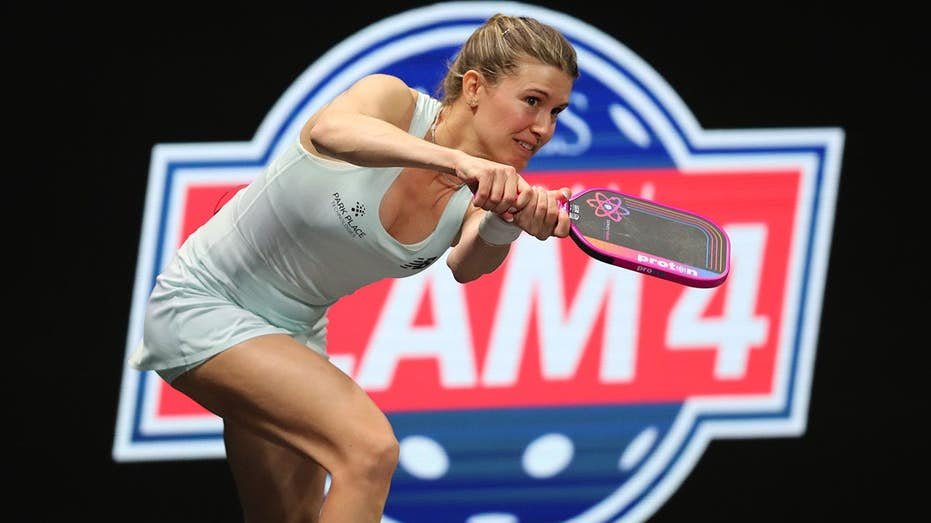
Genie Bouchard, the former Wimbledon finalist who has become one of the most recognizable figures in professional pickleball, found herself in an uncomfortable on-court confrontation this week when her opponent's repeated shouting disrupted their match. Maria Ford, Bouchard's opponent, repeatedly yelled «C'mon» after points that did not appear to warrant such celebration, according to video of the match that circulated widely online.
The incident has reignited a conversation about etiquette and sportsmanship in pickleball, a sport experiencing explosive growth across the United States but still finding its footing when it comes to competitive norms. Bouchard, who transitioned from tennis to pickleball in recent years, appeared visibly frustrated as Ford's outbursts continued throughout the match. At one point, Bouchard addressed the behavior directly, making clear she had reached her limit.
Observers who watched the footage largely sided with Bouchard, describing Ford's conduct as obnoxious and out of step with the spirit of the game. The yelling came after seemingly routine points rather than decisive rallies, which many viewers felt made the behavior particularly grating. The exchange quickly became a talking point among pickleball fans and sports commentators alike.
Bouchard's move to pickleball has been one of the sport's most high-profile crossovers. A former top-five tennis player who reached the 2014 Wimbledon final, she brought mainstream attention to pickleball when she began competing professionally. Her presence has helped elevate the sport's visibility as it seeks to establish itself alongside more traditional American pastimes.
The confrontation also highlighted a broader tension in pickleball as it evolves from a casual recreational activity into a serious competitive sport. Recreational players often embrace a relaxed, friendly atmosphere, while professional competitors are still negotiating where the line falls between enthusiasm and poor sportsmanship. Incidents like this one force the sport to confront those questions publicly.
Ford's behavior drew comparisons to similar controversies in tennis, where players have long debated the appropriateness of celebratory shouting during matches. In tennis, such displays are generally tolerated within limits, but excessive or poorly timed outbursts can draw criticism from opponents and fans. Pickleball, with its smaller court and closer quarters, may amplify the irritation factor when an opponent is particularly vocal.
The match itself became secondary to the exchange, with much of the online reaction focused on Bouchard's reaction and whether she handled the situation appropriately. Support for Bouchard was widespread, with many praising her for standing up for herself rather than letting the behavior go unchecked. Others debated whether she should have simply ignored the noise and focused on her game.
Pickleball's rapid rise has brought with it growing pains, including questions about player conduct, officiating standards, and competitive culture. As more former tennis professionals like Bouchard enter the sport, they bring with them the expectations and norms of their previous careers, which can clash with pickleball's more informal traditions. How the sport manages those collisions will shape its identity in the years ahead.
For now, the incident serves as a reminder that even in a sport known for its accessibility and friendliness, emotions can run high when competition intensifies. Bouchard has not publicly commented further on the matter, and it remains to be seen whether the episode will lead to any formal discussion about conduct standards in professional pickleball.

7