
Target pulls kids’ Halloween costume after blackface comparisons
Target removed a $25 children’s clown costume after social-media critics said its imagery echoed blackface and minstrel-show stereotypes. The retailer apologized and says it is reviewing how the item reached stores.
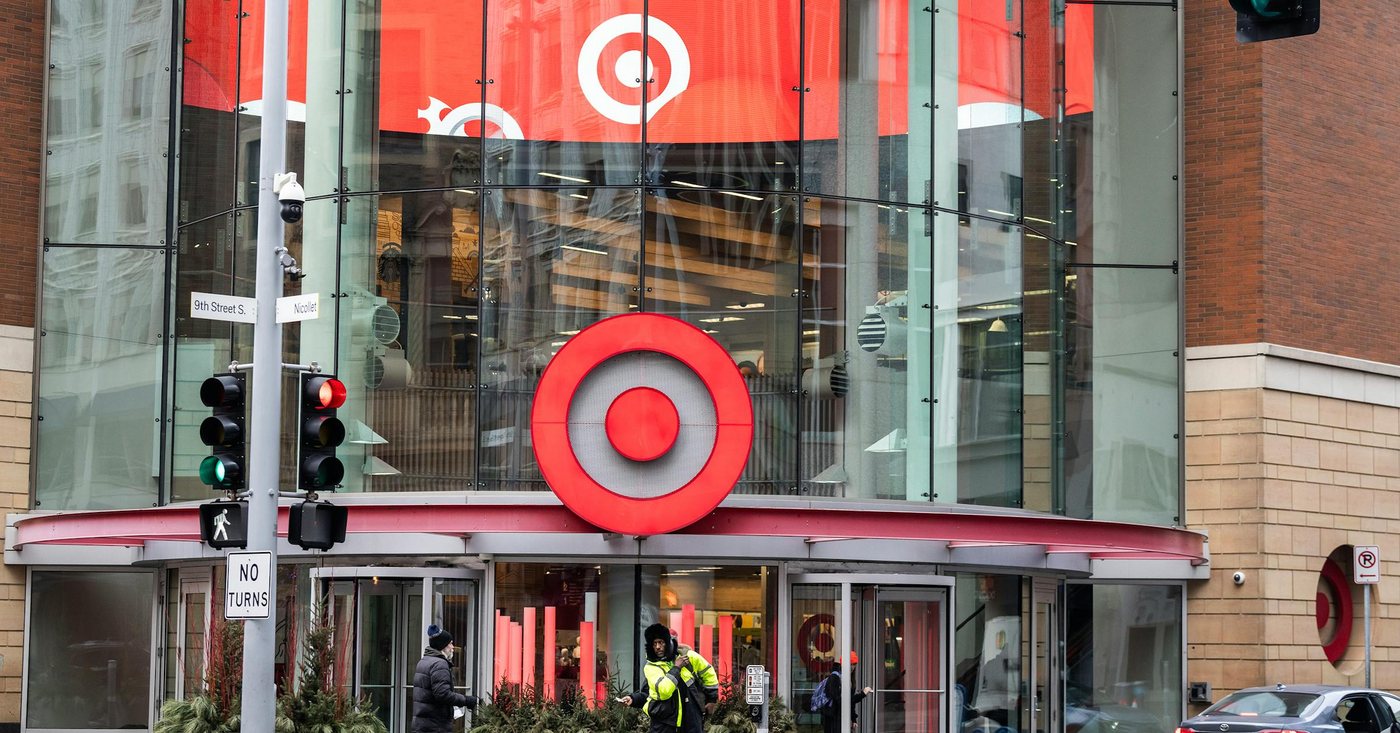
Target has pulled a children’s Halloween clown costume from sale after an online backlash over imagery that critics said resembled blackface and racist minstrel-show caricatures.
The Minneapolis-based retailer issued a public apology on August 24, saying the costume was “offensive” and should never have been included in its assortment. Target said it was especially sorry for the hurt caused to Black customers, employees and partners, and described removing the item as only the first step. The company said it is examining how the product made it through its internal process and what must change to prevent a repeat.
The product was sold as the Kids’ Circus Glow Clown Halloween Costume Bodysuit, also described online as a costume that glows under blacklight. It cost about $25 and featured an orange-and-black outfit, black gloves and a hooded mesh face covering with an exaggerated smile and a small hat. It was part of Target’s seasonal Hyde and EEK! Boutique Halloween line.
What turned a seasonal product listing into a national controversy was the combination of the costume’s visual design and the promotional imagery used to sell it. Critics on social media argued that the wide grin, dark face covering and styling echoed racial caricatures associated with blackface minstrelsy. Multiple news organizations reported the comparison before Target withdrew the product.
That history is not incidental to the criticism. The Library of Congress describes blackface minstrelsy as a form of 19th-century entertainment in which performers caricatured African Americans through song, dance and comedy. Those performances relied on degrading stereotypes that circulated far beyond the stage and became part of American popular imagery. For many viewers, the objection to the Target costume was therefore not simply that it looked tasteless, but that its visual language appeared uncomfortably close to a long tradition of racist representation.
Target did not try to defend the design as a misunderstanding. Its statement accepted responsibility for the product being in the assortment and focused on the internal decisions that allowed that to happen. The company has not publicly laid out the specific approval chain for the costume, so the next part of the story will depend on what Target changes in product review, merchandising and brand oversight.
The controversy also lands against a sensitive corporate backdrop. In January 2025, Target announced changes to its diversity strategy, including the conclusion of its three-year diversity, equity and inclusion goals and the planned end of its Racial Equity Action and Change initiatives. The company also stopped participating in external diversity-focused surveys and renamed its Supplier Diversity team as Supplier Engagement. Those decisions had already placed Target in a wider national argument over how large companies approach race, inclusion and identity.
That context does not prove that the Halloween costume was caused by those policy changes, and Target has not made such a connection. But it explains why the incident immediately became larger than one product. For customers who already viewed the retailer’s diversity decisions as a signal about its priorities, the costume became another test of whether Target’s public commitments match the everyday choices made in buying, design and marketing.
The company has now removed the item and issued the apology. What remains unresolved is the process behind it. Target’s own statement says it is looking closely at how the costume reached the assortment and what needs to change. The credibility of that promise will depend less on the wording of the apology than on whether the retailer can show that the same visual warning signs are caught before another product reaches families.
74