Kentucky family walks away from more than $26 million to keep its farm
Ida Huddleston and her daughter rejected high-priced offers for 534 acres, even as Mason County cleared roughly 2,080 neighboring acres for a data center project.
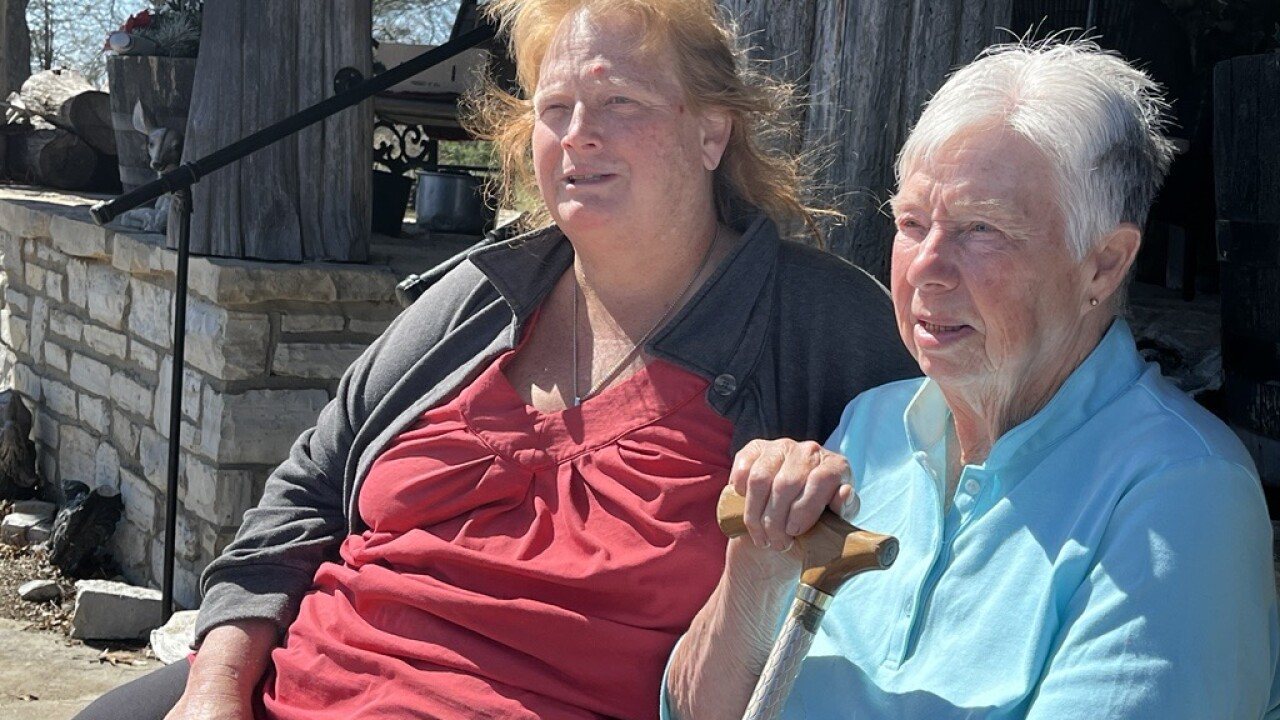
A Kentucky mother and daughter were offered the kind of money that usually ends a land negotiation. It did not end this one.
Ida Huddleston, 82, was offered $60,000 an acre for her 71-acre property in Mason County. Her daughter, Delsia Bare, was offered $48,000 an acre for 463 acres. Together, the published offers add up to more than $26 million. Both women ultimately refused to sell land sought for a large data center project outside Maysville.
Their decision was less instantaneous than the viral version of the story suggests. PEOPLE reported that Huddleston and Bare initially signed a contract because they feared the land could eventually be taken through eminent domain. The family had lost property to public projects before. After speaking with a lawyer and learning that the private data center developer could not simply compel the sale, they moved to undo the agreement.
What remained was a question of value that a check could not settle. The broader family farm covers about 1,200 acres, according to PEOPLE, and portions of it have been connected to the family for more than two centuries. The family raises livestock there. Bare has said previous generations grew wheat during the Great Depression, and her late husband is buried on the property.
Huddleston distilled her view in a July interview: “You can't get food out of a data center.” The family has raised concerns about the loss of agricultural land and possible effects on water and electricity. Those concerns should not be confused with a finding that the proposed facility has already damaged local resources. It has not been built, and data-center water demand varies substantially with cooling design.
The project itself did not stop when Huddleston and Bare said no. On May 22, the Mason County Fiscal Court approved rezoning 28 properties totaling roughly 2,080 acres for rural industrial use tied to the proposed hyperscale campus. The technology company behind the proposal remained undisclosed in July.
Local economic-development officials have projected about 400 permanent jobs and more than 1,500 construction jobs. Officials also say the developer would pay for the roads, water, sewer and electrical infrastructure needed for the project. Those promises are central to the county's argument that a data center can expand the tax base and create a major new employer.
Opponents see a different ledger. We Are Mason County has pursued legal challenges to the approval process, and Huddleston and Bare joined the local fight. For them, the question is not whether technology has economic value. It is whether a rural community should trade farmland, landscape and long-term control over its surroundings for a development whose operator has not been publicly identified.
The two women have secured one outcome: their 534 acres are not part of the sale. They have not secured another: keeping the data center away from the neighboring land. With rezoning approved, the next steps depend on the developer's final decision and the continuing court challenge.
That leaves Mason County with an unusually clear picture of the AI infrastructure boom at ground level. The servers may be digital, but the choices are physical — acres, roads, power lines, water systems and homes. In this case, more than $26 million was enough to show what the land was worth to a buyer. It was not enough to define what the land was worth to the people who live on it.
75