Infectious Disease Experts Share Everyday Habits to Reduce Risk of Illness
From color-coded cutting boards to leaving shoes at the door, infectious disease specialists rely on simple daily routines to avoid infections. Experts explain how small changes in kitchen hygiene, oral care, and home cleanliness can significantly lower the chance of getting sick.
Infectious disease doctors deal with germs daily, yet they are not immune to common illnesses. To stay healthy, many have developed practical habits that reduce exposure without making life inconvenient. These routines, grounded in microbiology and epidemiology, focus on consistent small actions rather than drastic measures. Here are some of the strategies infectious disease experts use to avoid getting sick.
One of the most fundamental practices involves preventing cross-contamination in the kitchen. Dr. Jill Roberts, a molecular epidemiologist, emphasizes the importance of using separate cutting boards for raw meat and vegetables. By assigning a red board exclusively for meat, she removes the guesswork from food safety. The order of preparation also matters: she makes the salad first, stores it in the refrigerator, and only then brings out the raw meat. After handling meat, she sanitizes all surfaces she may have touched, including counters, sinks, faucet handles, and refrigerator doors.
Produce washing is another area where experts see common mistakes. Rather than soaking vegetables in a bowl of water, Dr. Heidi Torres recommends rinsing them under running water for about 30 seconds while gently rubbing the surface. This friction helps break down bacteria and viruses that passive soaking cannot remove. A bowl, she explains, risks spreading contamination from one piece of produce to another if any is tainted. While running water cannot eliminate all pathogens—such as Cyclospora—it significantly reduces bacterial loads and even some pesticide residue.
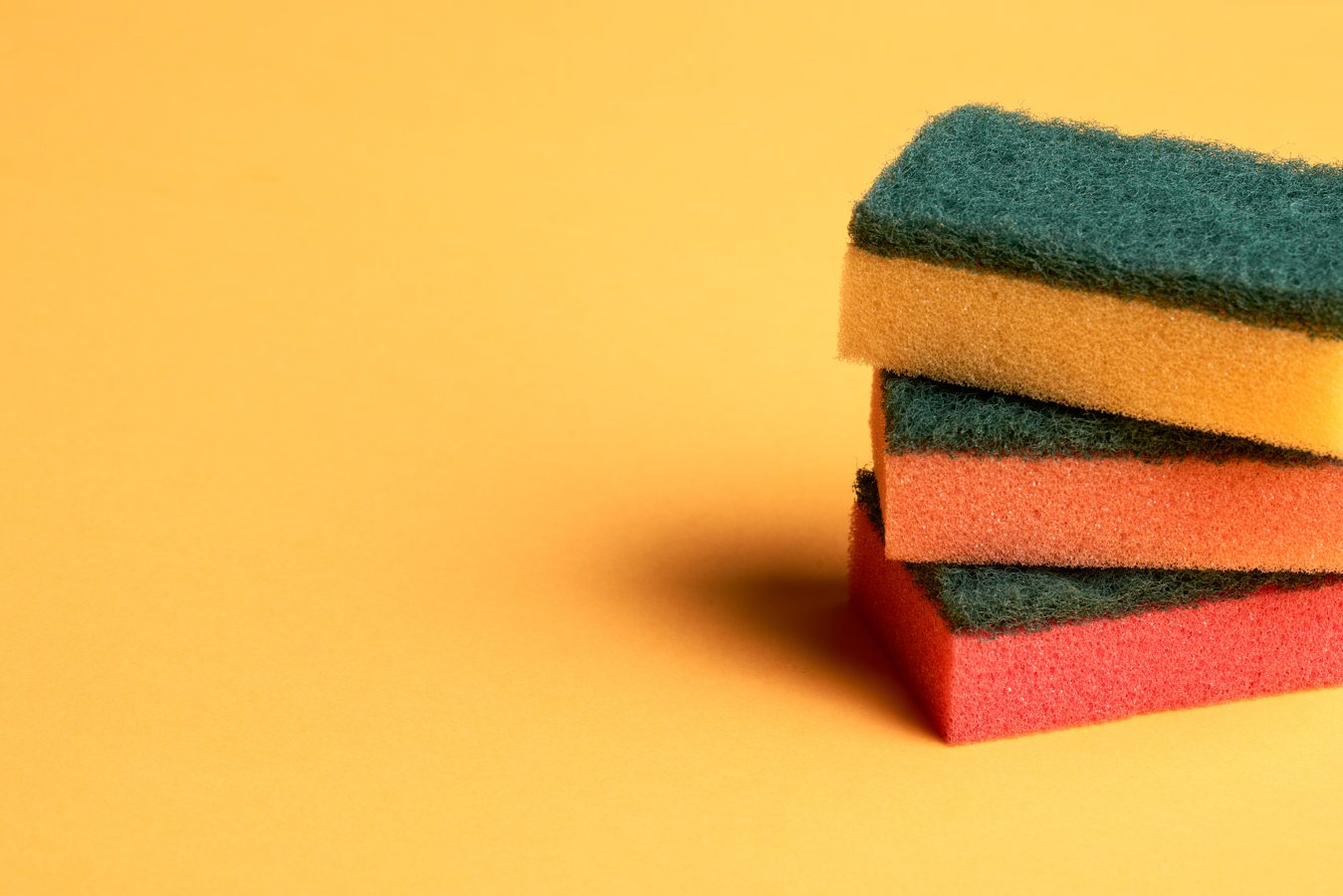
Kitchen sponges are a notorious breeding ground for germs. Kelley Steury, a clinical associate professor specializing in preventive medicine, points out that damp sponges with food particles create an ideal environment for bacterial growth. Her routine involves rinsing the sponge thoroughly until no food remains, then microwaving it for 20 seconds while wet. She cautions that microwaving a dry sponge could start a fire, so the sponge must be damp. This simple step kills many of the bacteria that accumulate during daily use.
Oral hygiene is often overlooked as a line of defense against systemic infections. Dr. Torres notes that at least a quarter of the infections she treats are linked to dental disease. Cavities and gum disease allow more bacteria to enter the bloodstream, which acts as a highway to organs throughout the body. Mechanical brushing is essential to break down the bacterial film that rinsing alone cannot remove. Hospitals have begun treating oral care as a standard infection prevention measure, a practice Torres says is equally important at home.
The bathroom environment also deserves attention. Dr. Roberts advises using washable bath mats that can be hung to dry between uses and laundered weekly. Damp mats can spread fungal infections like athlete's foot. She recommends discarding rugs that wrap around the toilet base because rubber backings do not hold up in the wash, and they often absorb splashes, especially in households with children. For the same reason, she says nothing around the toilet should be absorbent.
Shoes should stay at the door. Dr. Cesar J. Figueroa Ortiz, an infectious disease specialist, notes that sidewalks and public floors accumulate contaminants from people, pets, and other sources. Removing shoes before entering the home prevents tracking these germs across floors where children play and family members walk. In hospitals, meticulous cleaning is standard, but at home the habit is equally valuable.
These routines may seem small, but infectious disease experts rely on them to stay healthy even in high-exposure settings. By integrating simple habits like color-coded cutting boards, running-water rinses, regular sponge sanitization, thorough brushing, washable bath mats, and shoe removal, they reduce the daily risk of infection without sacrificing convenience.
102