Hurricane Katrina survivor shares emergency preparedness lessons 21 years later
A journalist who was trapped in a New Orleans hotel during Hurricane Katrina reflects on the experience and the practical lessons it taught him about emergency preparedness, from GPS coordinates to communication plans.
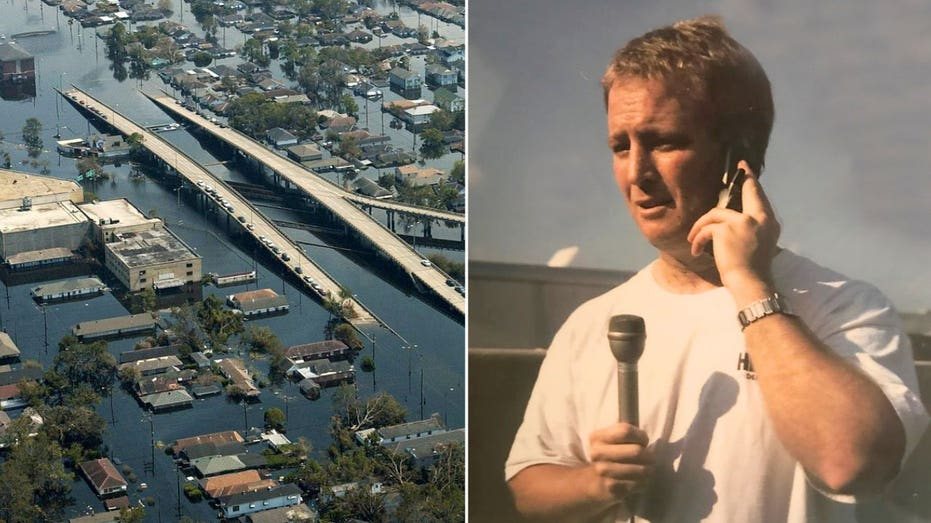
A journalist who survived Hurricane Katrina inside a New Orleans hotel says the 2005 storm permanently changed how he prepares for emergencies. Kurt Knutsson, who was working for KTLA in Los Angeles at the time, was visiting the city with his parents when the hurricane struck the Gulf Coast on Aug. 29, 2005. What began as a weekend trip turned into a days-long ordeal that left him trapped in a luxury hotel surrounded by floodwater, with food rationed and no reliable way to communicate with the outside world.
Knutsson said the experience taught him that preparation is less about stockpiling expensive survival gear and more about having the right information and knowing how to use it. One of the most critical lessons came when a helicopter crew offered to evacuate him but needed his exact latitude and longitude. Without electricity or the smartphone tools that are common today, it took nearly two days to determine his GPS coordinates. He now says he never goes anywhere without knowing how to get his coordinates, a task that modern smartphones have made far simpler.
The storm remains the costliest hurricane in U.S. history and one of the deadliest. Knutsson recalled that as Katrina strengthened in the Gulf, he managed to get his parents onto what he remembers as the last flight out of the city. His father offered him the ticket, but Knutsson insisted his father take it. A plan to rent a car fell apart when he found about a hundred people at the rental agency trying to do the same thing. He then returned to the Ritz-Carlton after being told it was well-prepared for a hurricane, with upgraded windows, generator power, and food supplies.
The hotel's preparations proved insufficient as the situation deteriorated. Employees were allowed to bring their families inside, adding hundreds more people than the emergency plan anticipated. Food and supplies had to stretch much further. When flooding surrounded the building, leaving became impossible. Staff asked guests with diesel vehicles in the elevated garage if they could siphon fuel for the generator. Outside, Knutsson heard gunfire and watched looting unfold on Canal Street. Hotel officials repeatedly warned guests not to leave because the streets were unsafe.
Communication breakdowns added to the chaos. Cell service was unreliable, and text messages could take hours to reach their destination. Knutsson managed to rig the hotel's phone system to get a dial tone and report back to KTLA. He described the situation as "information chaos," with rumors spreading constantly and no one seeming to know what would happen next. As a journalist, he focused on verifying what he heard and identifying the next problem to solve.
During the ordeal, Knutsson formed a partnership with Richard Rhodes, a man from Washington who became his "survival partner." The two planned to walk out along the levee system toward Baton Rouge, but a security guard stopped them. Knutsson continued until he saw floodwater around the second-floor level, confirming there was no way out on foot. He also became close to Jesse and Emma Ruiz, a couple from the Los Angeles area who had been celebrating an anniversary trip when the storm hit. He made sure they knew where he had stashed food and water, and seeing them safe years later brought the emotions back.
Knutsson now keeps equipment nearby that helps him communicate, see what is happening, and stay informed. He emphasizes that people do not need to turn their garages into emergency warehouses. The key, he says, is focusing on practical tools and knowing how to use them when a disaster strikes.
91