How the Human Body Adapts to Seasonal Heat and Cold
Scientists explain heat acclimatization, why summer heat feels unbearable at first, and how the body adjusts through sweating, blood flow, and cellular changes — plus the limits of that adaptation.
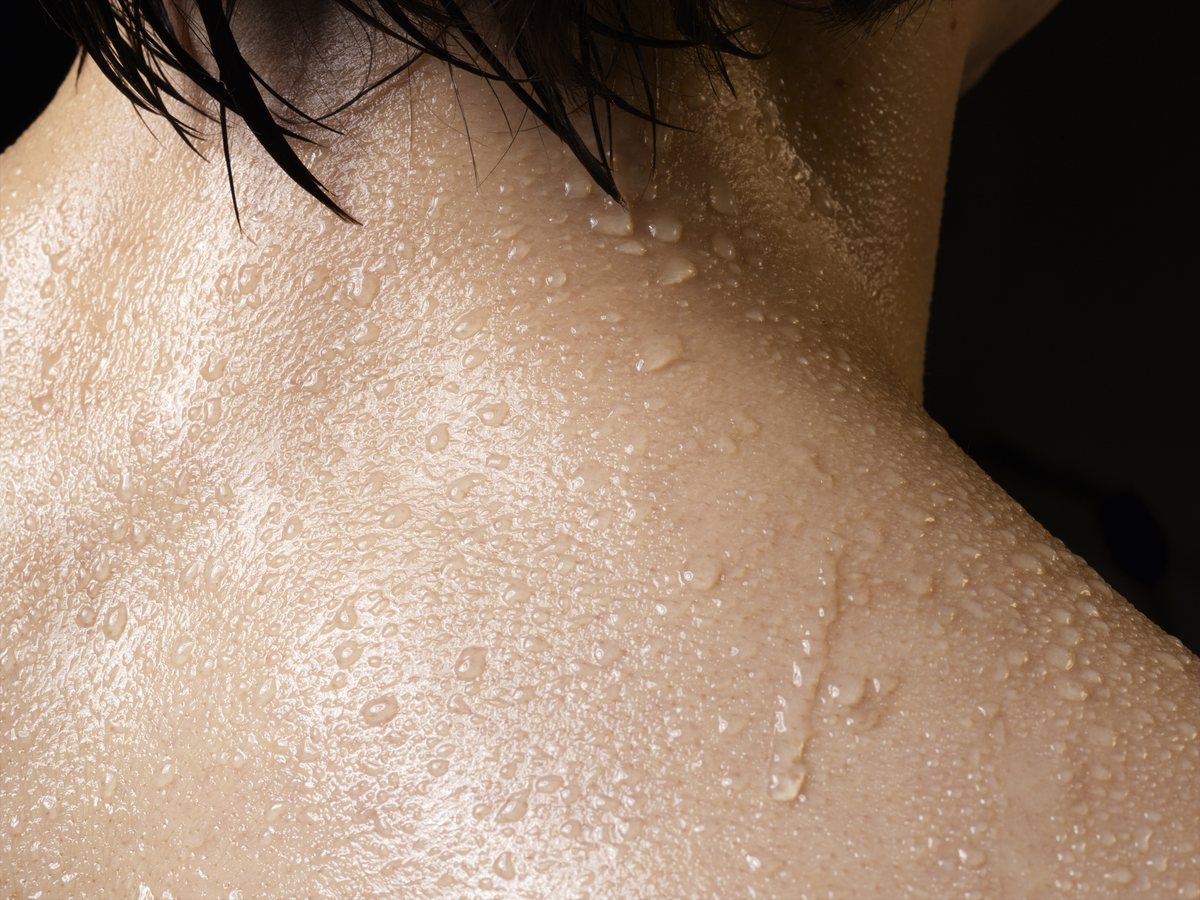
The first heat wave of summer often feels like hitting a wall. One day the air is crisp, and the next it is hard to step outside without sweating through a shirt. Yet the thermometer often shows a temperature that is not especially high compared with later in the season. Researchers who study temperature regulation say the body simply takes time to adjust to seasonal changes, a process known as heat acclimatization.
Studies suggest that people who regularly spend time outdoors gradually adapt how their bodies shed heat, making the environment feel less stressful. Julien Périard, a professor at the University of Canberra in Australia who studies the phenomenon, says the adaptation is progressive. Spending most of the day indoors in air conditioning can slow the process, but being physically active outside helps the body adjust to the conditions.
When someone takes a walk on a hot day before adapting, both skin temperature and core temperature can rise, signaling heat stress. The body responds by triggering heavy sweating and increasing blood flow to the skin. Sweat evaporates to cool the skin, while blood sent to the surface helps release heat. Blood volume pumping through the body also increases, allowing more heat to be shed and supporting greater sweating without dehydration. At the cellular level, production of certain proteins rises to protect normal functioning in higher temperatures.
Reaching a fully adapted state can take a few weeks, depending on the situation. Athletes and people who work in warm conditions, such as utility workers spending long days in the Texas sun, often ramp up their heat exposure gradually to stay healthy under strain. The changes can also be triggered in advance with small amounts of exposure at a time.
Being adapted to heat lowers the risk of heat-related illness, but it does not make a person invulnerable. Glen Kenny, a professor of physiology at the University of Ottawa in Canada, notes that people who have adapted are still susceptible to heat stroke and heat exhaustion. Researchers are also concerned about future climate stresses, when warming may be so swift and extreme that the body cannot react quickly enough.
In an experiment meant to mimic an extreme three-day heat wave that killed 619 people in British Columbia in 2021, Kenny spent three days at 104 degrees Fahrenheit in a special chamber in his lab. Over that period, he said, the body shows some progressive adaptation, but the physiological system supporting core temperature maintenance begins to decay. He lost about 10 pounds in three days because he could not hydrate fast enough, and he observed cell function deteriorating.
Heat adaptation is not permanent. Spending a few weeks in a cooler climate can cause the body to roll back some of the changes. However, Périard says there is a kind of heat acclimation memory. If someone is removed from heat for about a month and then returns, adaptations can reappear in three or four days, compared with the ten days it took to build them up originally.
The body also adapts to cold, but there is far less to work with. Périard explains that humans evolved as tropical animals, so heat-loss mechanisms are potent, while conserving heat relies on only two responses: physical constriction to keep warm blood in the central circulation, and shivering, which produces a small amount of heat. Exercising can warm the body, but clothing plays a far more important role than biology. As Périard puts it, a person can exercise all they want, but at 40 degrees below zero, they will get cold quickly without clothes.
87