Flight Attendants Share 90-Second Hotel Room Safety Check
Airline crew members routinely perform a six-step "hotel room autopsy" before unpacking, a practice that aligns with State Department guidance and offers practical safety lessons for all travelers.
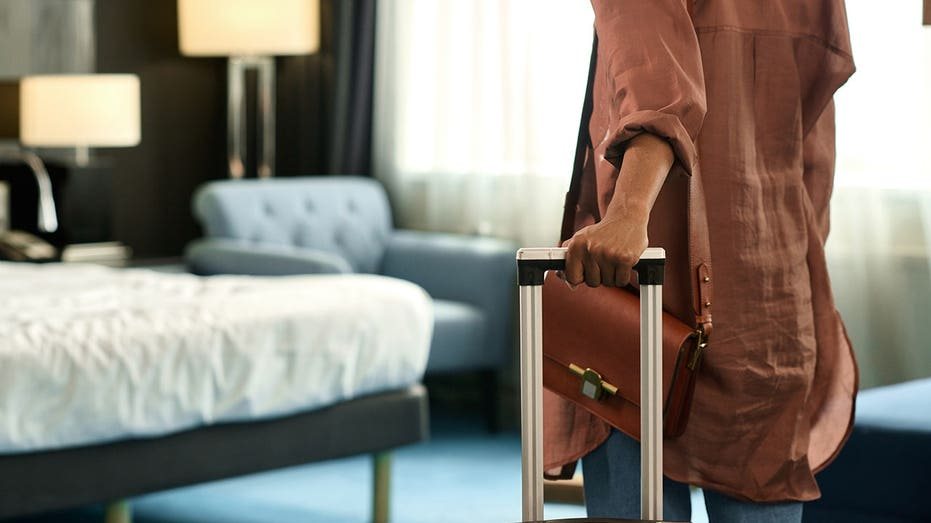
Before they unpack a single bag, many flight attendants run through a quick, six-step safety routine they call a «hotel room autopsy» — a practice designed to confirm that a room is secure before they settle in for the night. The habit is widespread among airline crew members who spend hundreds of nights a year in unfamiliar hotels across different countries, each with its own fire rules and security standards.
According to CabinCrew24, an online resource for flight attendants and aviation professionals, the routine is not a nervous tic. It is a professional response to years of sleeping in strange rooms under varying safety conditions. Some of the advice mirrors recommendations from the U.S. State Department for hotel safety, giving the practice broader credibility beyond the aviation world.
The first step is a simple visual scan to confirm that no one else is in the room. Flight attendants keep the door propped open while they check, and they also verify that housekeeping has finished cleaning. Aura Martinez, a New York-based flight attendant with 19 years of experience, told Fox News Digital that the goal is familiarity, not paranoia. «I just want to familiarize myself with the space and make sure everything looks as it should,» she said. «It doesn't need to become a 20-minute inspection.»
Next comes a check of common hiding spots: the bathroom, shower, bathtub, closets and behind the curtains. Only after those areas are cleared do frequent travelers move on to emergency planning. They locate the nearest emergency exit and review the evacuation map posted on the back of the hotel room door. Brian Rooney, a Texas-based travel advisor and founder of, said that in an actual emergency, that is not the moment to be figuring out the floor plan for the first time.
Martinez recommends going a step further. She suggests knowing whether to turn left or right when leaving the room, roughly how far the stairwell is, and if possible how many doors you would pass before reaching it. That kind of mental map can save precious seconds when visibility is low or hallways are crowded.
Flight attendants also test the locks, making sure the door, deadbolt, security latch and windows all lock properly. They check that the room phone works, so they can reach the front desk or emergency services if a cellphone fails. Rooney added that if someone unexpectedly comes to the door claiming to be hotel staff, travelers should call the front desk to verify before opening it. Martinez agreed, noting that you can be courteous and still be cautious.
Finally, experts recommend placing a portable door alarm or door wedge at the base of the door so you know if someone tries to enter. Rooney said such a device can provide an additional layer of reassurance, particularly for a solo traveler, but it should not replace checking that the hotel's own locks work correctly. Martinez also called a small flashlight an «incredibly underrated» item to pack.
The broader message from both experts is that awareness should not breed fear. Rooney said the goal is to be aware of your surroundings, not to be scared out of traveling. «A minute or two spent checking the room, the lock and the emergency exit lets you get on with enjoying the trip,» he said. Martinez echoed that sentiment: «The purpose is to be prepared, not frightened.»
For the millions of Americans who travel for work or leisure, the flight attendant routine offers a practical template. It takes less than two minutes, requires no special equipment, and can be adapted to any hotel room, motel or rental. The steps are simple: scan, check hiding spots, locate the exit, review the evacuation map, test the locks and phone, and consider a portable alarm. Travelers who adopt even part of the routine may find themselves better prepared for the unexpected — and more relaxed for the rest of their stay.