Experts Warn Alcohol and Cannabis Are Counterproductive Sleep Aids
Sleep researchers say alcohol and cannabis only offer short-term drowsiness while disrupting restorative sleep, building tolerance quickly, and raising the risk of dependence. Behavioral therapy for insomnia is a safer and more lasting alternative.
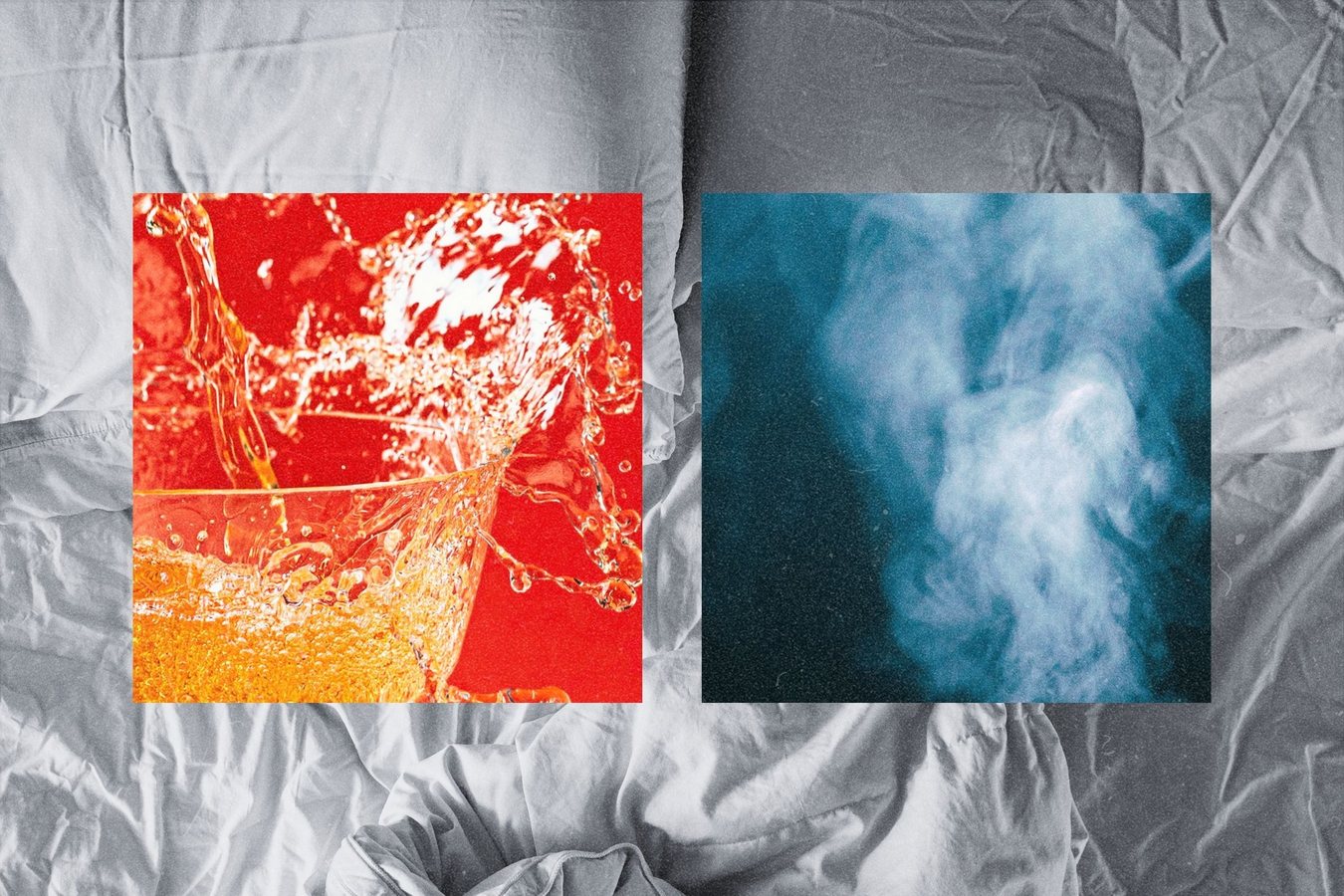
Millions of Americans who use alcohol or cannabis to fall asleep are likely undermining the quality of their rest, sleep researchers warn. While both substances can make people feel drowsy, they do not deliver the restorative sleep that the body and brain need, and regular use can create tolerance, dependence, and worse sleep over time.
Persistent sleep difficulties affect up to one in three adults and are linked to a range of health problems, including heart and circulatory issues, memory and thinking problems, and respiratory and immune disorders. In response, a substantial number of people say they turn to alcohol or cannabis at bedtime. Estimates suggest that nearly one in 10 Americans regularly use cannabis for sleep, and many adults report using alcohol for the same purpose, with rates even higher among younger adults.
Experts who study sleep and substance use say the strategy backfires. Philip Gehrman, a psychologist and professor at the University of Pennsylvania who directs the Sleep Neurobiology and Psychopathology Lab, said alcohol is broken down as it is metabolized into compounds that disrupt sleep. « As alcohol is metabolized, it is broken down into compounds that disrupt sleep and lead to more wakefulness in the night. So, any benefit at the beginning of the night is not worth the price you pay the rest of the night », he said.
Gehrman noted that far less research has been done on cannabis, but the pattern appears similar. He also warned that using either substance as a coping strategy for sleep increases the chances of becoming dependent on it. The concern is echoed by Lisa Fucito, a professor of psychiatry at Yale and director of the Tobacco Treatment Service at Smilow Cancer Hospital. « Alcohol, cannabis, and other psychoactive substances do not address the behavioral and cognitive processes that perpetuate insomnia », she said. « While these substances may provide short-term sedation, their sleep effects tend to diminish with tolerance in as little as a few days and can worsen sleep continuity and quality. »
Fucito added that tolerance can be followed by rebound sleep disruption in the second half of the night, meaning people may fall asleep faster at first but wake more and sleep less soundly later. Many people who use these products believe they are helping themselves, experts say, but they may not be aware of the potential damaging effects or the evidence showing the substances are ineffective as long-term sleep aids.
The more reliable alternative, researchers say, is cognitive behavioral therapy for insomnia. Noelle Smith, a psychologist and vice president of clinical care at Moona Health, a telehealth service specializing in this treatment, said insomnia is highly treatable. Cognitive behavioral therapy teaches skills such as maintaining a consistent sleep schedule, strengthening the connection between bed and sleep, and changing the unhelpful worries that keep people awake. « The results are more durable than medication and other substances with fewer side effects », Smith said, « so people see lasting improvement in their ability to fall and stay asleep. »
Experts acknowledge that not everyone who needs help with sleep has the time or money for formal treatment. Free resources are available, including evidence-informed mobile apps developed by the U.S. Department of Veterans Affairs National Center for PTSD and the National Center for Telehealth and Technology at the Department of Defense. These apps can be used on their own or alongside a health care provider and are designed to help people learn effective ways to build healthier sleep.
Sleep problems cover a wide range of conditions, from insomnia to breathing disorders and movement disorders. The American Academy of Sleep Medicine has launched a public education campaign called Sleep is Good Medicine, offering resources such as the Talking Sleep podcast and guidance on how to discuss sleep concerns with a doctor.
Despite how common sleep difficulties are, specialists emphasize that there is no need to struggle alone. Effective strategies exist, and relying on alcohol or cannabis is not among them. Using these substances to sleep is counterproductive.