Crowd at Mount Rainier National Park gets dangerously close to wild black bear
Tourists at Mount Rainier National Park gathered just feet away from a wild black bear to take pictures and videos, prompting warnings about the dangers of approaching wildlife.
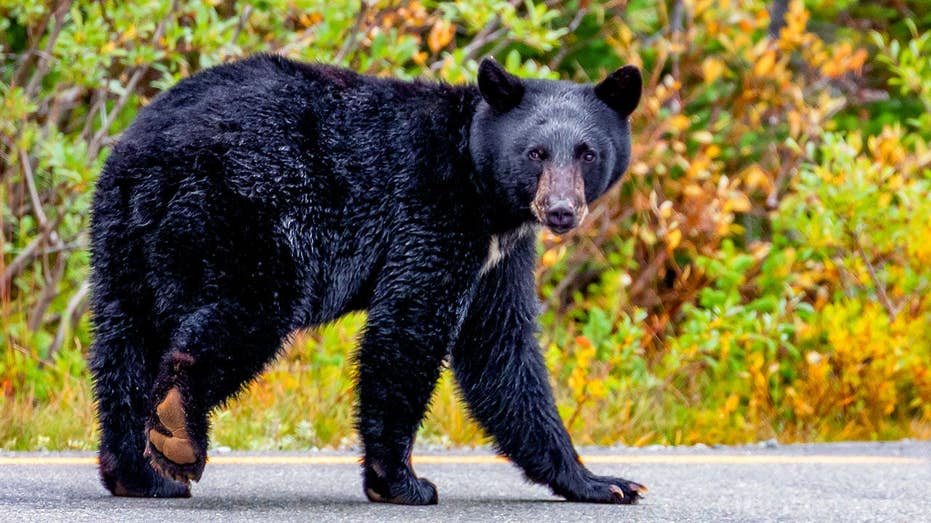
A crowd of visitors at Mount Rainier National Park last week came within a few feet of a wild black bear, gathering along a path to capture photos and videos of the animal as it foraged for food. The scene, which drew sharp criticism from observers online, highlighted a recurring problem in America's national parks: people treating wild animals as if they were zoo exhibits rather than unpredictable predators.
The bear was doing what bears do, searching for something to eat on the side of the trail, while tourists clustered nearby for what they apparently considered the perfect shot. There is no enclosure in the wild, no barrier between a person and an animal that can outrun, outclimb, and overpower even the fastest human. National park officials have long warned that wildlife encounters are not the same as visiting a zoo, and that getting close to animals such as bears, bison, and elk is both illegal and potentially deadly.
Commenters on the post seemed to understand the danger far better than the people in the video did. One observer noted that the tourists, each with what was described as the survival instincts of a ham sandwich, approached a juvenile bear that could rip a throat out in seconds while remarking on how cute it was. Another commenter pointed out the obvious: the bear's mother was likely nearby, and she would soon demonstrate why bears have outlasted humans as a species.
The National Park Service advises visitors to stay at least 100 yards, or about the length of a football field, away from bears and wolves, and at least 25 yards from other wildlife such as bison, elk, and deer. Bears can sprint at speeds up to 35 miles per hour, faster than any human, and they are not the fluffy teddy bears that cartoons and stuffed animals might suggest. A bear that feels threatened, especially a mother protecting her cubs, can attack in seconds.
This incident is far from isolated. Similar videos have circulated in recent months showing tourists getting dangerously close to massive bison in Yellowstone National Park and other locations. In one widely shared clip, visitors approached a bison for a selfie, ignoring the animal's clear signs of agitation. Wildlife experts repeatedly stress that these encounters rarely end well for the humans involved, and often end badly for the animals too, as habituated wildlife that becomes aggressive is sometimes euthanized.
The tourists at Mount Rainier were lucky this time. The bear did not charge, and no one was hurt. But luck is not a strategy, and the footage they captured could easily have become a very different kind of video, one showing a mauling rather than a memorable vacation moment. The comment section of the post summed it up well: this is not a teddy bear, and five or six feet is nowhere near enough distance from a wild animal that could end a life in seconds.
76