Texas Senate candidates clash over data centers and AI's power and water demands
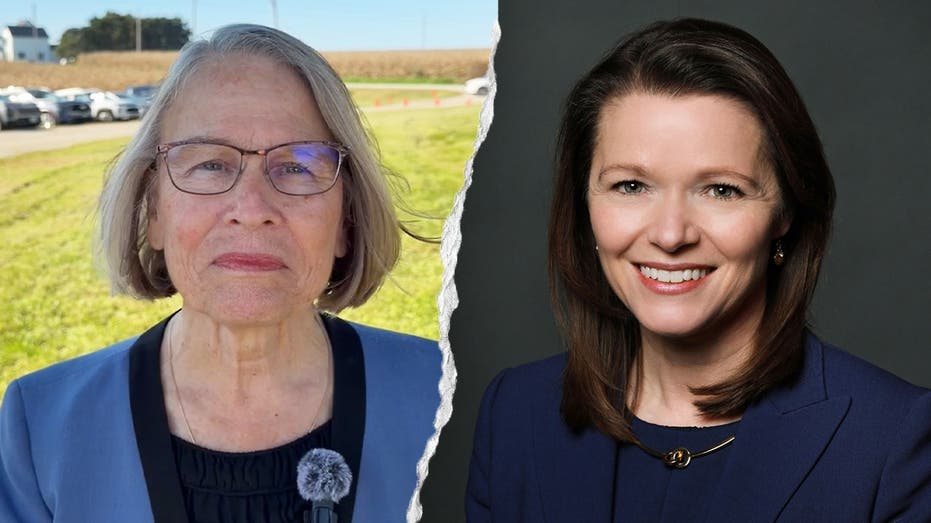
Texas Attorney General Ken Paxton and Democratic nominee James Talarico are competing over how to regulate the state's data center boom, with Paxton releasing a four-point plan as voters grow concerned about rising power and water costs.

The explosive growth of data centers in Texas has become a central battleground in the state's closely watched Senate race, with both major party candidates now racing to present plans to rein in the industry's soaring demands for electricity and water. Attorney General Ken Paxton, the Republican nominee, unveiled a four-point proposal that combines federal legislation with state-level action, directly responding to a political pressure point that has emerged during the midterm cycle as voters worry about rising utility costs.
Paxton's plan, first obtained by Fox News Digital, would see him author two Senate bills aimed at preventing Chinese technology from powering data centers or being used in American infrastructure. The proposal also includes creating criminal liabilities for data center companies if their facilities empower AI chatbots that undermine children's safety. At the federal level, Paxton would join as a co-sponsor on the DATA Act, a bill introduced by Sen. Tom Cotton, R-Ark., that would create a new federal category allowing data centers to produce their own independent power away from existing grids.
The announcement comes weeks before the election and follows an aggressive campaign by Democratic nominee state Sen. James Talarico, who has used the data center issue as a political cudgel against Paxton. Talarico's campaign has hammered the attorney general for accepting nearly $500,000 in campaign donations from political action committees that support him, while also accusing him of ignoring residents in Hood County who asked for help blocking a data center development in their community.
«Ken Paxton took nearly half a million dollars from data center companies and has ignored Texans in Hood County who asked him to help block a data center development in their community,» Talarico campaign spokesperson JT Ennis said. «While Ken Paxton funnels data center money into his campaign, James is fighting to hold data centers accountable. Texans can't afford a Senator who's bought by big data center companies.»
Paxton has pushed back by pointing to Talarico's own fundraising ties to the industry. Talarico's political operation, through his Lone Star Rising PAC, has received about $10 million from LinkedIn co-founder Reid Hoffman, an advocate for data centers who has argued about their value in the AI arms race against China. «While James Talarico and his campaign infrastructure accept millions of dollars from data center-affiliated donors and put their interests first, I will lead with Texans at the forefront,» Paxton said.
The Republican's plan also includes undoing sales tax exemptions for data centers, a position that marks a reversal from his time in the state legislature. In 2013, as a freshman state senator, Paxton voted in favor of 100% sales tax exemptions for data centers, which passed on a nearly unanimous vote. That exemption required a hefty ground-floor investment of $200 million and employment requirements to receive, but it also sparked the present-day boom in data centers across the state.
Talarico's competing proposal would repeal state tax exemptions for data centers, mandate that they cover 100% of grid connection costs, and require closed-loop water recycling systems. It would also give local governments the power to veto project developments. The Democrat has convened bipartisan roundtables on the issue and has framed the contest as a choice between accountability and corruption.
At the state level, Paxton said he would push Gov. Greg Abbott's new directive, unveiled earlier this month, which effectively freezes the data center explosion. Abbott touted this week that his directive has so far halted roughly 1,800 data center projects in the Lone Star State. The directive requires data centers to disclose how much power they are using, whether they will produce independent power, their water consumption, financial incentives they have received, a plan to lower the impact on local communities, and documented ownership of the center.
«These guidelines are now the universally applied standard in Texas,» Abbott said on X. Paxton framed his broader approach as a matter of national security and local protection. «There's no doubt in my mind that the United States will beat the Chinese Communist Party in the AI race,» he said. «This plan will ensure that happens while putting Texas First, protecting our culture and land, and safeguarding our families and communities.»
80