Supreme Court Again Blocks Republican-Backed Missouri Voting Map
The U.S. Supreme Court has once more refused to allow Missouri to use a Republican-drawn congressional map, dealing another setback to GOP efforts to gain an extra House seat ahead of the midterm elections.
The U.S. Supreme Court has again declined to let Missouri use a Republican-backed congressional map, handing another defeat to GOP efforts to add an extra seat in the U.S. House of Representatives. The justices' action keeps the disputed map on hold, leaving the state's existing congressional boundaries in place for now.
The case centers on a redistricting plan that Missouri Republicans advanced after the 2020 census. The map was designed to tilt one of the state's congressional districts more heavily toward Republicans, a move that critics said would dilute the voting power of Democratic-leaning communities. Lower courts had blocked the map, and the Supreme Court's latest order leaves those rulings in effect.
The dispute is part of a broader national battle over redistricting that has unfolded in statehouses and courtrooms across the country since the last census. Both parties have sought to maximize their advantages in the once-a-decade redrawing of district lines, and the Missouri case has drawn attention because of its potential to shift the balance of power in Washington.
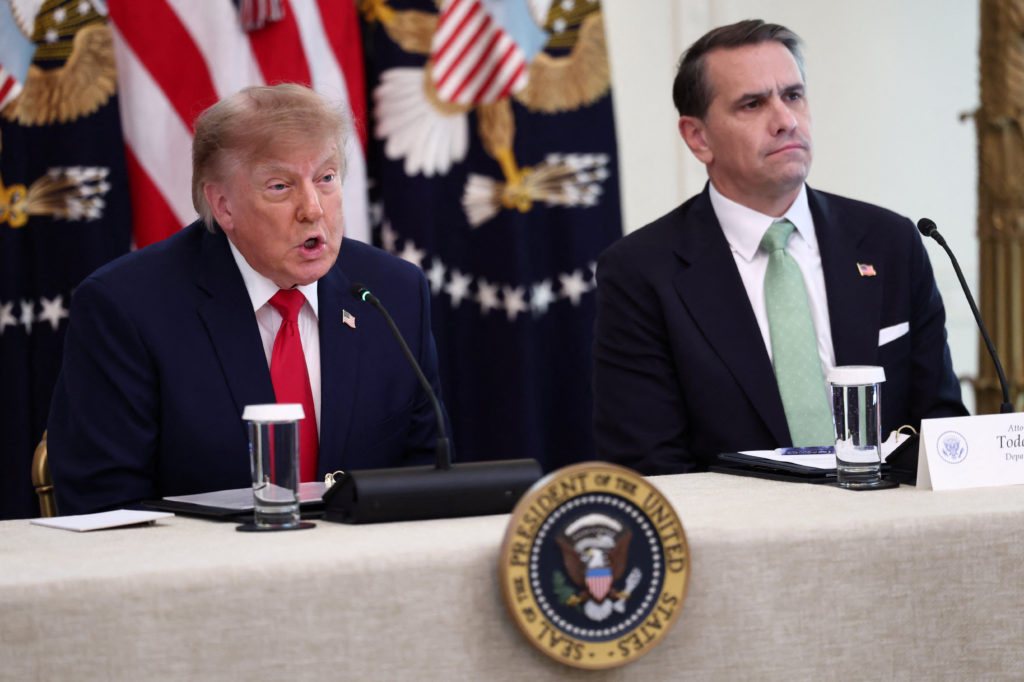
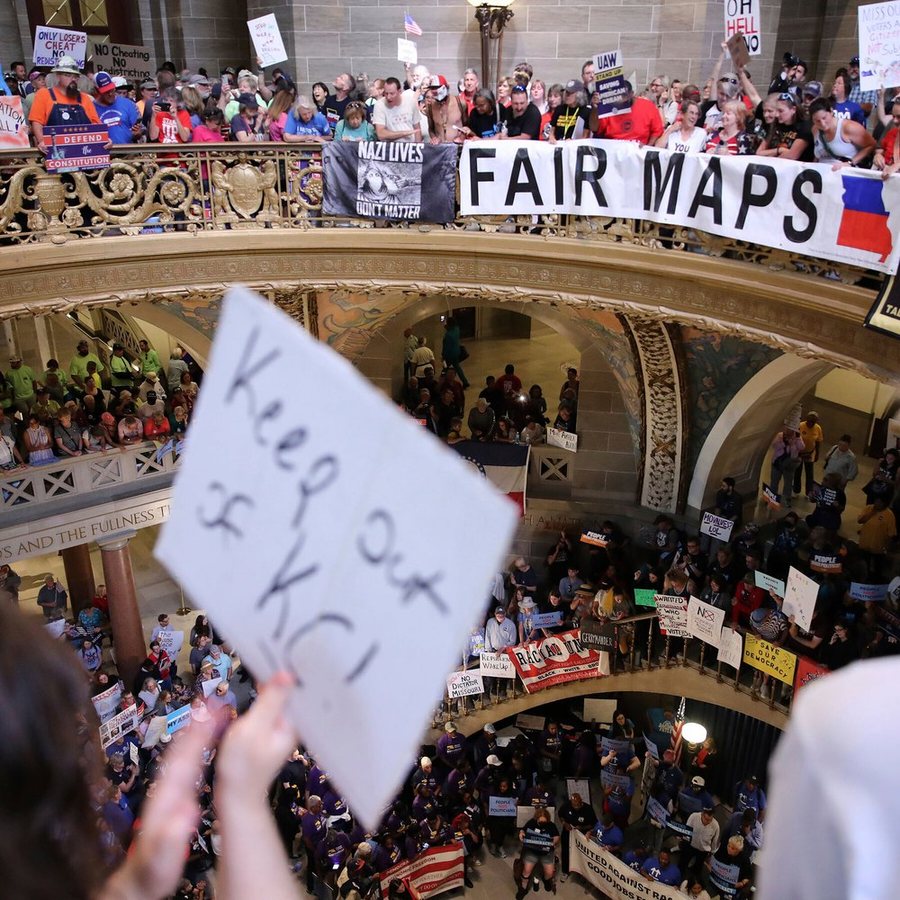
According to the Associated Press, the Supreme Court's decision is a blow to Republican hopes of capturing an additional congressional seat in Missouri. CNN reported that the justices rejected the push to use a map backed by former President Donald Trump. The New York Times noted that the ruling followed a protest at the Missouri State Capitol last September over the proposed redistricting plan.
The Supreme Court's order did not include a detailed explanation, which is common when the justices act on emergency requests. The practical effect is that Missouri will proceed with its current map, which was drawn by a state court after the legislature and governor failed to agree on a plan. That map is widely seen as more competitive than the Republican-backed version.
Republicans had argued that the legislature's map was a lawful exercise of state authority and that the lower courts had overstepped by blocking it. Opponents contended that the map was a partisan gerrymander that violated the state constitution and would have unfairly disadvantaged Democratic voters. The legal fight has been closely watched as a test of how far courts will go in policing partisan line-drawing.
The Supreme Court has now intervened in the Missouri case more than once, signaling that the justices are wary of allowing the new map to take effect while litigation continues. The case could return to the high court for a full review, but for now the immediate effect is that the Republican-backed map remains blocked.
With midterm elections approaching, the decision has implications beyond Missouri. Control of the House is expected to hinge on a handful of seats, and both parties are fighting over district lines in several states. Missouri's current map gives Republicans a strong advantage in most districts, but the disputed plan could have made one additional seat safer for the GOP.
The ruling also underscores the continuing role of the Supreme Court in settling election-related disputes. In recent years, the justices have been asked repeatedly to weigh in on redistricting, voting rules, and other election matters, often on an expedited basis. Each decision can shape the political landscape for years.
For now, Missouri voters will cast ballots under the existing court-drawn map. The legal battle over the Republican-backed plan is likely to continue, but the Supreme Court's latest order ensures that the disputed map will not be used in the upcoming elections.
64