State and local races may shape data center growth more than Congress
Analysts say governors, state legislators and county officials may decide the future of AI data center construction and the economic growth it supports, more than the outcome of House and Senate contests.
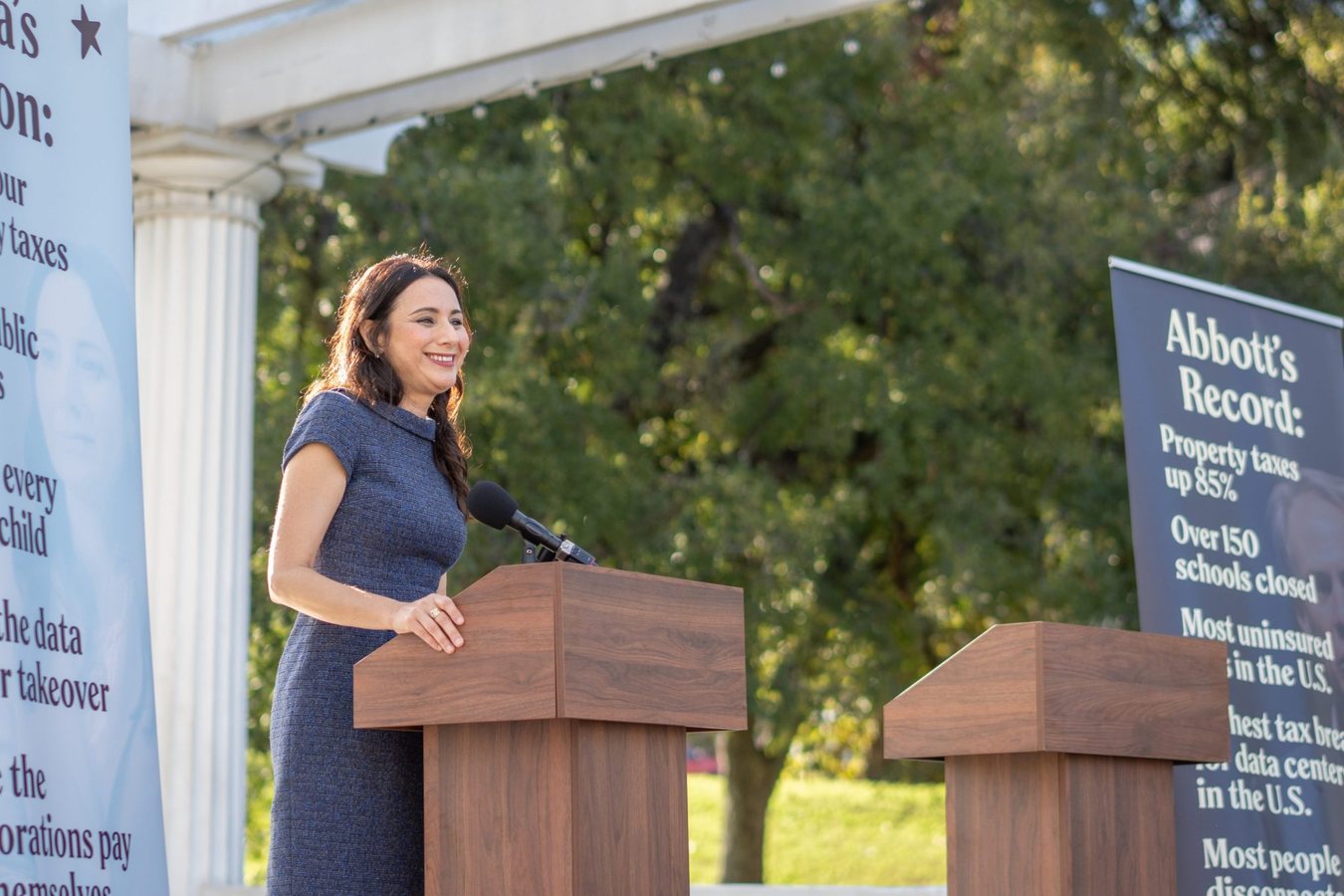
State and local races may matter more for the economy's direction than the battle for control of the House and Senate, according to analysts tracking the data center boom. Although data centers have become a national campaign issue in the midterm cycle, governors, state legislators and county officials hold more power over where facilities are built and how the energy infrastructure behind them is managed.
The stakes are large. Hyperscalers have been spending hundreds of billions of dollars a year on AI infrastructure, with forecasts for 2027 topping $1 trillion. JPMorgan has estimated that AI-related investment accounted for about one-fifth of GDP growth over the past year, and analysts at ING expect AI to account for a third of growth in 2026. Those figures help explain why strategists are watching lower-profile contests closely.
Thierry Wizman, global FX and rates strategist at Macquarie, said in a note on Monday that a further stock slump could follow if a blue wave at the state and local levels brings in lawmakers opposed to data centers. The stock market has sold off in recent days on fears that the AI boom could go bust. "For the direction of the U.S. economy, the composition and direction of governance at the state level may matter more than whether the Democrats 'win' the House or the Senate," he added.
That dynamic was visible on Tuesday, when Amazon canceled a plan to build data centers in Loudoun County, Virginia, after reaching an agreement with local officials amid widespread backlash from residents. Amazon Web Services had bought the property for the project in February for $427 million, a purchase that reportedly blindsided county leaders who were already uneasy about the rapid growth of data centers in recent years. Amazon said it will not build data centers on the land and will repurpose most of it for mixed-use and residential development. It also pledged 25 acres for a community arts center and recreational facility, plus $5 million for a housing fund.
Texas, another major AI hub, shows the same shift in politics. Republican Gov. Greg Abbott has moved from a data center booster to a skeptic as he faces a tough re-election race against Democratic state representative Gina Hinojosa.
Michael Pearce, chief U.S. economist at Oxford Economics, also argued that midterm races for state capitals and town halls pose a bigger risk to the data center buildout than what happens in Washington. He noted that the Trump administration has already used regulations and executive orders to facilitate construction, and that any comprehensive legislation in Congress would be slow. Local officials, by contrast, can act more immediately through moratoriums, environmental reviews and bottlenecks in connecting new data centers to the power grid, he said in a note on Thursday.
According to Pearce, the key midterm races for data centers are in Texas, the Carolinas, and Midwest states including Ohio, Illinois and Wisconsin. He warned that the results could shape the next presidential campaign. "If this year's elections show that an anti-data center stance wins political contests, it could put data center regulation at the heart of the 2028 campaign," he said.
Pearce also wrote that data center construction shifted sharply higher in the middle of the year, perhaps in anticipation of a more hostile political climate. Developers can soften local opposition by showing that a facility will lower local tax bills or fund schools and roads.
Even if lawmakers pass a moratorium on new data centers, the economic effect would not be immediate. Most of the economic value comes from the computing equipment inside the buildings, and that spending lags construction by six to eight quarters, Pearce estimated. "This year's surge will keep supporting business investment over the next couple of years, whatever happens on the ground," he predicted.
Daniel Skelly, a portfolio manager at Morgan Stanley Wealth Management, said in a note on Wednesday that a slowdown in spending could actually benefit the AI boom. Despite recent stock market volatility, the sector still enjoys solid growth and strong earnings, and the long-term AI investment cycle remains intact. "Also, ongoing power deficits, a shortage of people to build data centers, and political pushback against them may elongate the cycle and lower the odds of a blow-off top," Skelly added.
8