Six citizens sue Trump over White House media bans, arguing public's right to news is violated
A federal lawsuit filed in New York on behalf of six citizens argues that White House bans on critical news outlets violate the public's First Amendment right to independent reporting about its government.
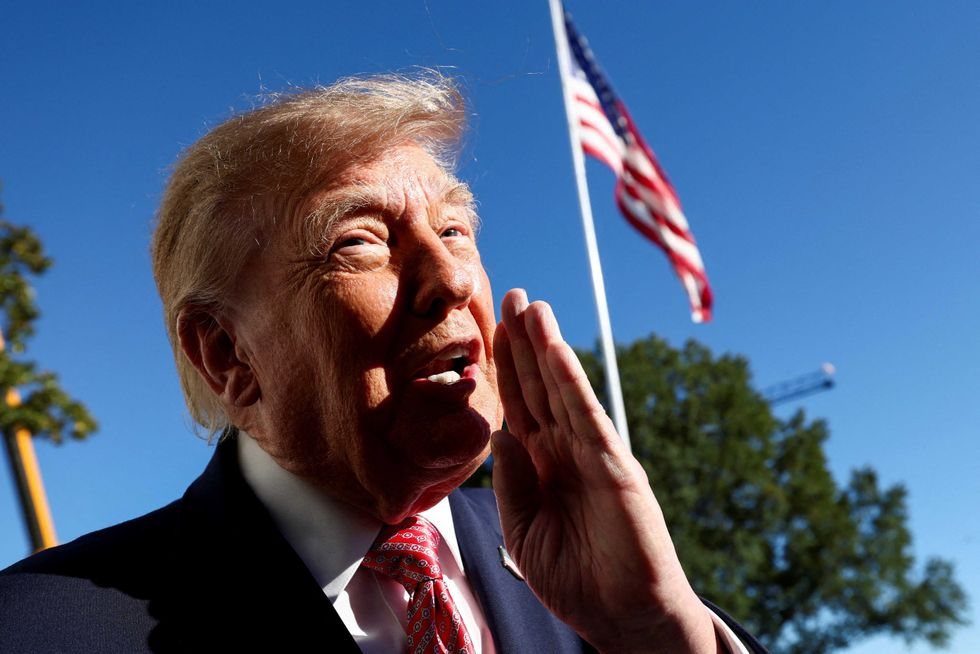
Six American citizens who rely on White House news for their work have filed a federal lawsuit in New York arguing that the Trump administration's bans on critical news outlets violate the public's right to independent reporting about its president and government. The suit, filed Monday against President Donald Trump and three senior aides, shifts the legal focus from the journalists being shut out to the audience that depends on their work.
The lawsuit names Trump along with White House chief of staff Susie Wiles, White House Communications Director Steven Cheung and Secret Service Director Sean M. Curran. It was filed by the Knight First Amendment Institute together with the Media Freedom & Information Access Clinic at Yale Law School. Katie Fallow, deputy litigation director at the Knight Institute, said the White House cannot decide what information Americans receive by punishing critical reporting. When the White House expels reporters because of their coverage, she said, "the public loses access to independent reporting and gets something closer to government propaganda."
The complaint states that "the ultimate injury here is to the democratic public," and that the First Amendment protects the public's right to know what its government is doing. The Trump administration responded to a request for comment with a statement attributed to an unidentified White House official: "No person may demand access to the Oval Office." The statement added that outlets peddling misinformation and defamation could report their stories from directly outside the premises.
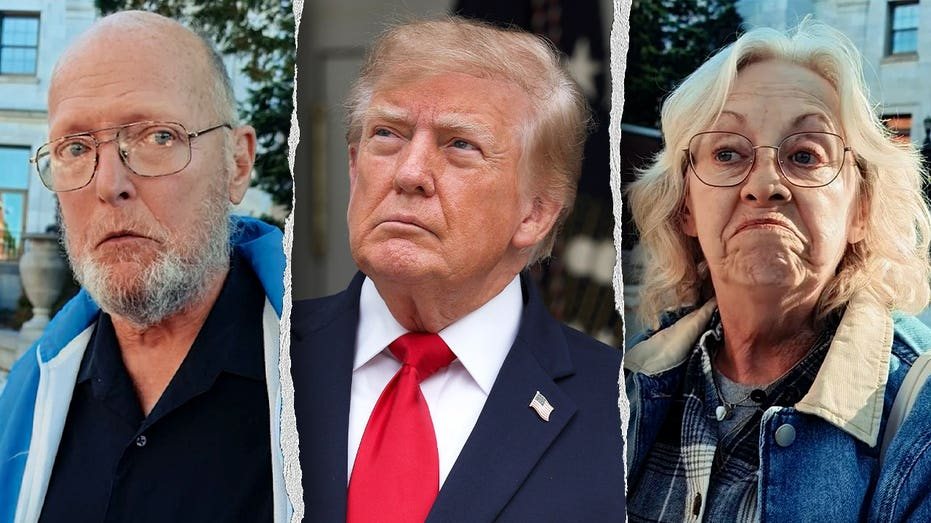
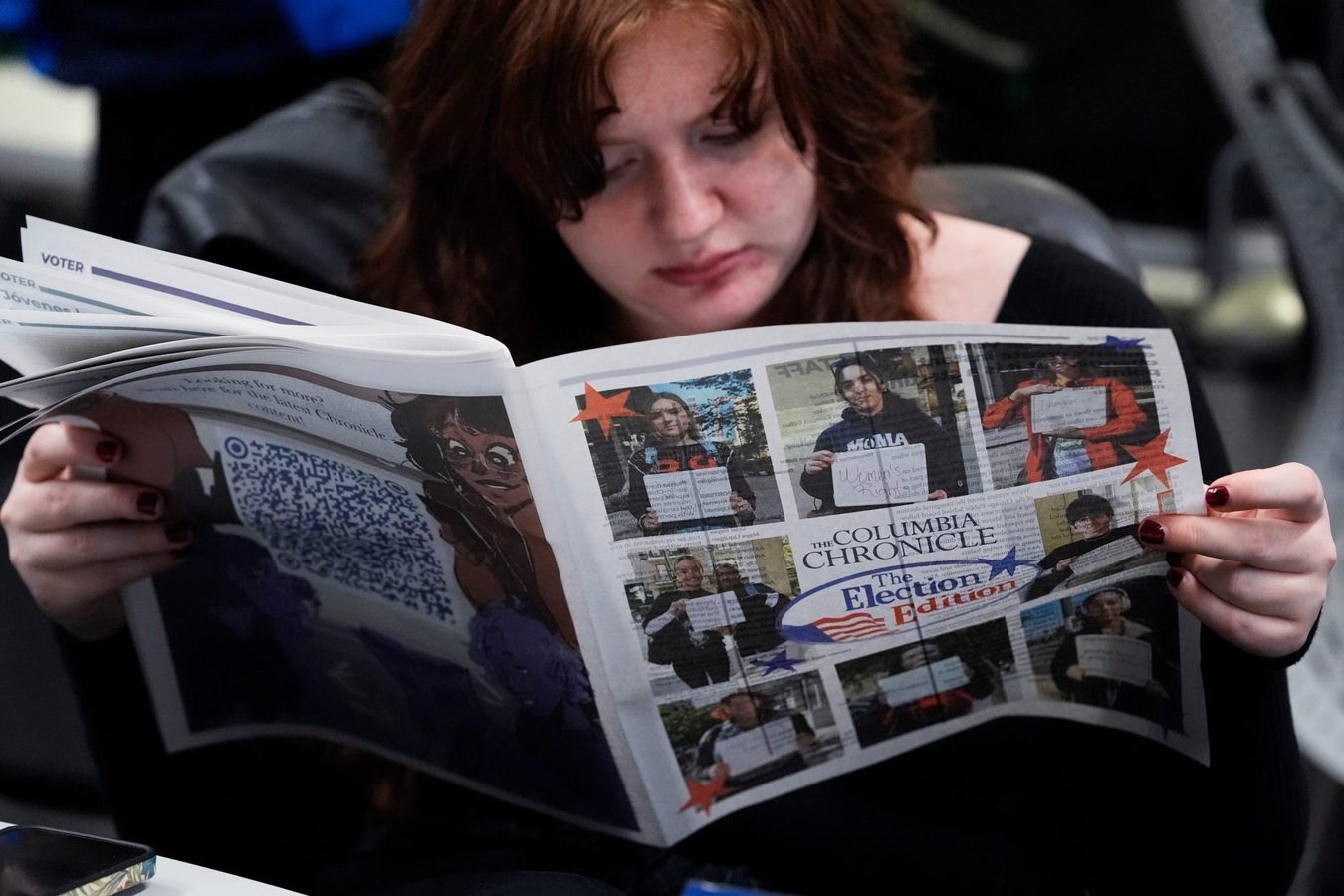
The six plaintiffs are a mix of professionals and students. They include Kenneth Roth, former longtime executive director of Human Rights Watch and a lecturer at Yale's law school and school of global affairs; Daniel Froomkin, a media and political journalist who edits Press Watch; and Beverly Gage, a Pulitzer Prize-winning Yale historian. The remaining plaintiffs are a high school civics teacher, a legal journalist and a student journalist at the University of Pennsylvania. The complaint says each relies on newsgathering from the White House press corps for teaching, journalism or advocacy.
The filing comes as several news organizations are already fighting the administration in court. CNN, MS NOW and Politico sued after their journalists were banished from the White House in September, and a federal judge recently extended an order preventing the White House from enforcing that ban while the case proceeds. CNN's pool coverage of the president's activities and travel remains affected, as the White House has denied the network its usual slots in the video pool, and CNN has threatened further action. The Associated Press case also continues. Its reporters were barred last year from the Oval Office, Air Force One and some events after the outlet declined to follow Trump's lead in renaming the Gulf of Mexico the Gulf of America. The New York Times is litigating a Pentagon policy requiring escorts for journalists on its grounds, and ABC is contesting the administration's handling of its broadcast license renewal.
The new suit differs from those earlier cases in two ways. First, its plaintiffs are ordinary citizens rather than news gatherers, which implies a far larger group of stakeholders. Second, it seeks broader relief. Rather than only restoring access for outlets already affected, it asks for an injunction that would protect every news outlet covering the White House from retaliation, now and in the future. The complaint argues that the policy of restricting disfavored news organizations deprives the public of their reporting and also chills independent reporting by others, since every journalist must consider whether a critical word about the president could cost them access.
The plaintiffs ask the court to declare the policy unconstitutional because it imposes viewpoint-based and unreasonable restrictions on a limited public forum, and they seek an injunction barring the defendants from enforcing it.
6