Mamdani Says American Dream Now Feels Like a Lottery Ticket
New York City Mayor Zohran Mamdani said the American Dream should be a guarantee rather than a long shot, warning that many Americans now believe they have better odds of winning the lottery than of getting ahead. He pointed to housing, child care, and grocery costs as the core of his affordability agenda.
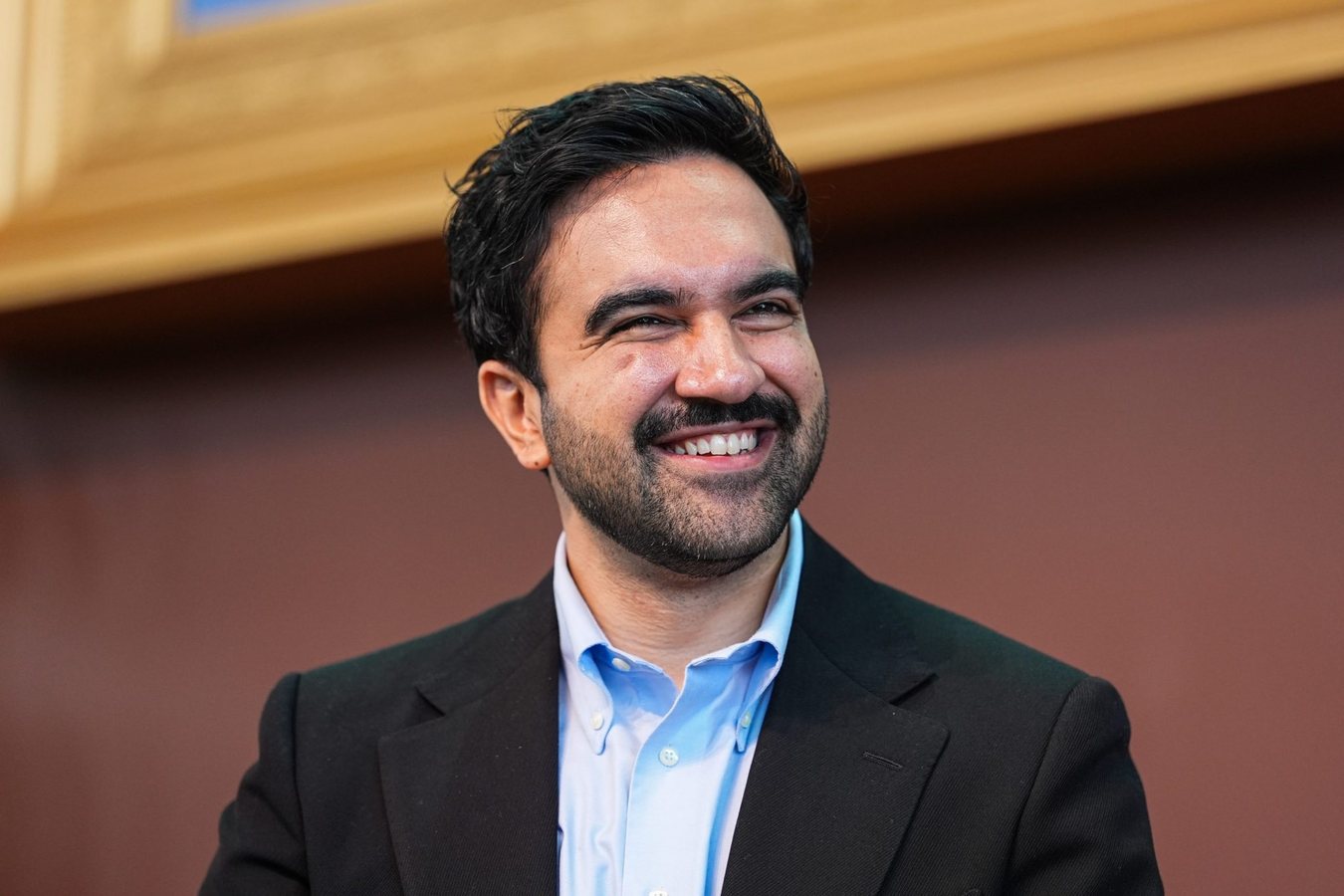
New York City Mayor Zohran Mamdani said the American Dream has become something closer to a lottery ticket than a promise, warning that a country where people see better odds of hitting a jackpot than of building a decent life is sending a dangerous message to its own citizens.
In an interview on Theo Von's podcast «This Past Weekend», Mamdani said the ideal should be a guarantee rather than a vague hope. Asked whether the American Dream is still alive, he replied that it now feels like «you have to luck out in some big way.» He added that this is why so many people play the lottery — for many, it feels like their only chance. «People think that they have better odds playing the lottery than making it in their own life,» he said. «What does that say about the country that we live in?»
Mamdani compared the erosion of that promise to an observation attributed to legendary New York City Mayor Fiorello La Guardia during the rise of fascism in Europe: people turned away from democracy not because they were tired of liberty, but because they were tired of being hungry. «If democracy doesn't mean the better life that it has to, it'll lose its worth,» Mamdani said. «And the same thing with the American Dream: if it's something you can only see when you turn on your TV or you hear about that one guy you grew up with who made it, that doesn't mean enough.»
That reasoning, he said, is why his administration has concentrated on making housing, child care, and groceries more affordable — what he called the «basic aspects of a good, dignified life.» Smaller measures matter too, he argued, pointing to free child care for an evening so parents can go out, and free tickets to the opera. The goal, he suggested, is to keep ordinary life within reach rather than treating the city as a spectacle.
New York presents a sharp version of the national affordability problem, Mamdani noted: the city holds enormous wealth while many residents struggle with wages that have not kept pace with the soaring cost of living. He rejected the idea that opportunity is simply absent. Instead, he argued, opportunity is «being consolidated.» «Right now it feels like the city is becoming a museum — something a middle-class family can afford to visit once a month, maybe on the weekends,» he said. «We want people to live here, and there's more than enough money for everyone to be able to.»
To tap some of that wealth, Mamdani has pursued an annual surcharge on luxury, non-primary residential properties. The effort has run into legal setbacks. Last month, a judge threw out New York's rollout of its pied-à-terre tax, ordering the city to cancel the notices it had sent to property owners and restart the process of determining who owes the surcharge. Mamdani has insisted that harnessing part of the city's wealth is central to making New York more affordable.
The mayor has also acknowledged his own position. Asked on the Fourth of July whether he was living the American Dream, he told CNN that he is living «one of them,» describing the holiday as a chance to celebrate the nation's promise of opportunity, freedom, and self-determination. Being mayor of New York, he said, is more than he could ever ask for.
His comments land amid a broader affordability crisis that has put homeownership, a car or two, and children — long treated as hallmarks of the American Dream — out of reach for many households. While Americans on average still believe the dream can be achieved, polling suggests that hope is fading, and some economists now describe a «Great Postponement» as people delay major life milestones.
JPMorgan CEO Jamie Dimon has also warned that the American Dream is in trouble, committing the bank to a multiyear effort to expand economic opportunity. «The American Dream is alive, but it's slipping out of reach for too many people — and for future generations,» he said in March, adding that the trend slows economic growth, hurts communities, and prevents many people from getting ahead. More recently, Dimon has teamed up with Ford CEO Jim Farley, who said the country's skilled-trades shortfall has grown too large and too varied by region and occupation. «Skilled trades are the backbone of our country and American manufacturing, and the backbone of the American Dream,» Farley said last month.
7