Maine Democrats Weigh Replacement Options as Senate Candidate Faces Rape Allegation
With Maine Democratic Senate candidate Graham Platner expected to drop out after a rape allegation, the party is considering several potential replacements, including Troy Jackson and Dr. Nirav Shah, to challenge incumbent Republican Sen. Susan Collins.
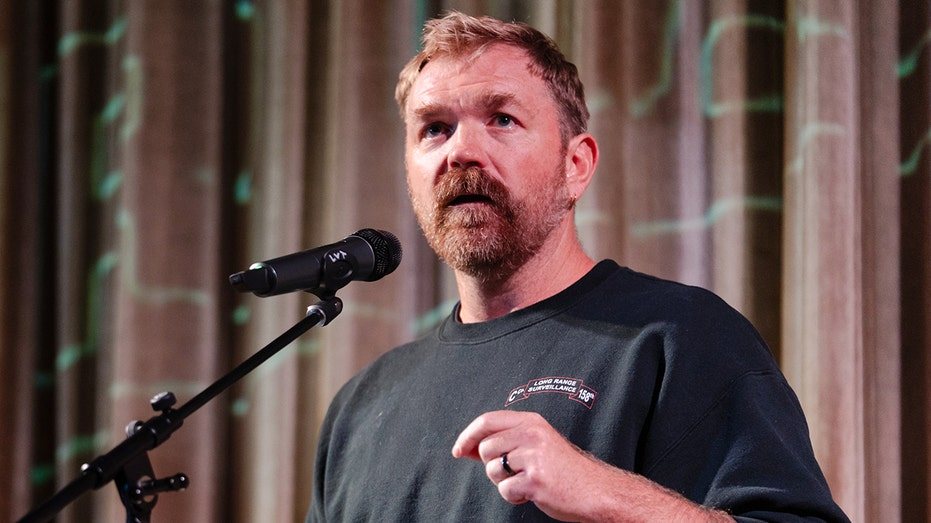
Maine Democrats are preparing for a potential shake-up in the U.S. Senate race as speculation grows that Democratic nominee Graham Platner will withdraw from the contest following a rape allegation made by an ex-girlfriend. Under Maine law, if Platner formally drops out by 5 p.m. on July 13, the state Democratic Party can select a replacement nominee through its internal process, with a final choice required by July 27. The development has triggered a flurry of discussions among party insiders about who might step in to challenge incumbent Republican Senator Susan Collins in a race that could help determine control of the Senate.
Platner’s campaign has been deliberating the possibility of ending his bid, according to reports, and any replacement would need to align with the same political platform as Platner. The allegation, which surfaced on Monday, has already prompted calls from some Democrats for Platner to step aside. Maine Secretary of State Shenna Bellows, who ran in the Democratic gubernatorial primary, stated on social media that while Platner ignited a powerful movement, given the seriousness of the allegations, he needs to step down. Bellows herself is among the names being discussed as a potential Senate candidate.
One of the most prominent names circulating is former state Senate President and gubernatorial candidate Troy Jackson. Jackson, who finished third in the Democratic gubernatorial primary last month, told the Bangor Daily News that he never considered a Senate run but is very interested if Platner steps away. Jackson, like Platner, has the backing of Vermont independent Senator Bernie Sanders. On Tuesday, Jackson filed paperwork to explore a Senate run, becoming the first potential candidate to do so.
Another figure drawing attention is Dr. Nirav Shah, who came second in Maine’s Democratic gubernatorial primary. Shah served as director of the Maine Center for Disease Control and Prevention from 2019 to early 2023, steering the state’s response to the COVID-19 pandemic, and later served as principal deputy director of the Centers for Disease Control and Prevention during the Biden administration. In a statement Tuesday, Shah said he and his team have received hundreds of encouraging messages since Platner signaled he will withdraw, and he is evaluating whether to enter the Senate race. Shah, viewed as more moderate than Platner, emphasized that he is not an establishment politician or an insider.
Democratic Representative Jared Golden, who represents Maine’s 2nd Congressional District and is retiring from Congress at the end of his term, has been mentioned as a possible candidate. However, a spokesperson for Golden distanced the congressman from speculation on Tuesday evening, indicating he is not interested in the seat. Golden, a Marine veteran who served in combat in Afghanistan and Iraq, has often been at odds with his party leadership over policy.
Governor Janet Mills, whose term expires in January, suspended her Senate campaign in April due to poor fundraising but remained on the primary ballot, receiving 19.2% of the vote compared to Platner’s 72.1%. Mills is not expected to re-enter the race. Meanwhile, the son of Senator Angus King, who is a 2026 Democratic gubernatorial candidate and finished at the bottom of the pack in last month’s primary, is considering a Senate bid if Platner exits. In a statement, King said he is taking time to reflect and think carefully about how he can make the greatest contribution to the state, but he has not made a decision.
Other potential candidates include former Maine House Speaker Sara Gideon, who lost to Senator Collins by nine points in the 2020 election, and Paige Loud, a social worker who finished fourth in the Democratic primary for Maine’s 2nd Congressional District earlier this year. Loud has filed as a Senate candidate for the 2026 midterm in light of the Platner situation, with a spokesperson saying she is being proactive in keeping options open for supporters who want a woman as the nominee. Shenna Bellows, who gained national attention for attempting to remove President Donald Trump from Maine’s ballot during the 2024 election cycle, is also being considered.
The timeline is tight. With the July 13 withdrawal deadline approaching, the Maine Democratic Party must act quickly to select a replacement if Platner steps down. The party’s choice will face a formidable opponent in Senator Collins, who has held her seat since 1997 and is seeking reelection in a state that has become increasingly competitive. The outcome of this race could have significant implications for the national balance of power in the Senate, making the selection of a strong candidate a priority for Democrats.
90