Gas prices hit record high for US Election Day
National gasoline and diesel averages are at their highest ever recorded for a US Election Day as voters head to the midterm polls, while the Strategic Petroleum Reserve has fallen to its lowest level in 44 years.
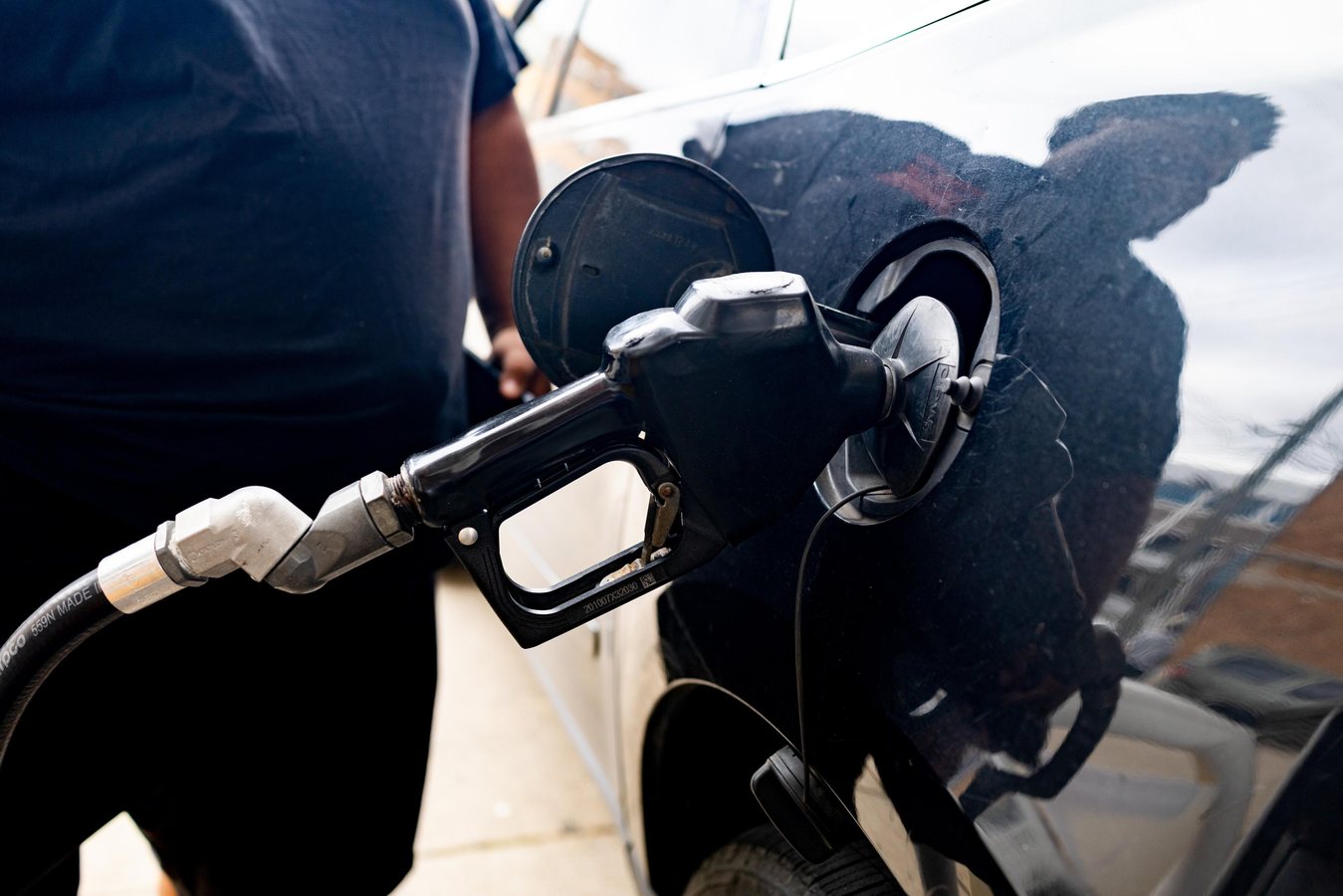
Gasoline and diesel prices are at the highest levels ever recorded for a US Election Day, as voters head to the polls in the midterm elections. According to GasBuddy, the national average for a gallon of gasoline stands at $4.12, while a gallon of diesel costs $6.28.
Energy costs are among the cost-of-living concerns shaping voter attitudes this cycle. The Strategic Petroleum Reserve, which the US Department of Energy maintains as a safeguard during energy crises, now holds 282.2 million barrels of crude oil. That is the lowest level in 44 years, adding to pressure on the national fuel market at a time when many households are feeling the strain at the pump.
The source article argues that voters should remember which political party has opposed electric vehicles, and in doing so has kept many drivers tied to gasoline. The piece frames the record gas prices as a point of political memory for the electorate heading to the polls, linking fuel costs directly to the choices voters are now making at the ballot box.
Beyond fuel, the midterms are drawing close attention from investors. Midterm years have historically been weak for the US stock market, delivering annual gains of just 7.5% compared with an average return of 12.4% in non-midterm years, according to figures compiled by BlackRock. More than $12 billion has been poured into this year's midterm campaigns, more than any other cycle in history, yet analysts say retirement portfolios are unlikely to benefit much from that spending.
Market watchers are divided on how the results could play out. A Wolfe Research survey of more than 100 institutional investors suggested that many have not positioned themselves for any particular outcome. Tobin Marcus, the firm's head of US policy and politics, said investors seem to have a significant dose of skepticism about whether the final result will be as favorable to Democrats as the polling suggests. Veteran strategist Ed Yardeni warned that the stock market has not fully priced in a blue wave, and that such an outcome could bring much worse partisanship to Washington, which he described as a very cold shower for markets in terms of gridlock.
Analysts also point to the AI buildout, which has driven much of this year's stock rally. Democrats are seen as more likely to slow the data center projects central to that buildout, and Marcus noted that a surprise loss for Republican Governor Greg Abbott in Texas, which Abbott has called the epicenter of AI development, could spook the market in the short term. Meanwhile, the Treasury market just suffered its worst quarterly selloff since 1994, and the classic 60/40 stock-bond portfolio has returned about 7.1% so far this year, well below its 10.1% annualized return over the last decade, according to PortfoliosLab estimates.
For long-term investors, BlackRock cautions that letting politics guide investment decisions has come at a significant cost. A $100,000 investment in the S&P 500 would have grown to nearly $400,000 at the start of this year if left untouched, while investors who moved money out of the market based on politics would have earned far less. The S&P 500 has risen by an average of 14.1% in the six months following midterm elections since 1970.
Source: theverge.com
6