EPA Rollback of Power Plant Emissions Rules Wins Manufacturer Praise as Permitting Reform Push Continues
The Trump administration's elimination of Biden-era power plant emissions standards is being welcomed by manufacturers as a major economic boost, but industry leaders say more regulatory relief is needed, particularly in the permitting process.
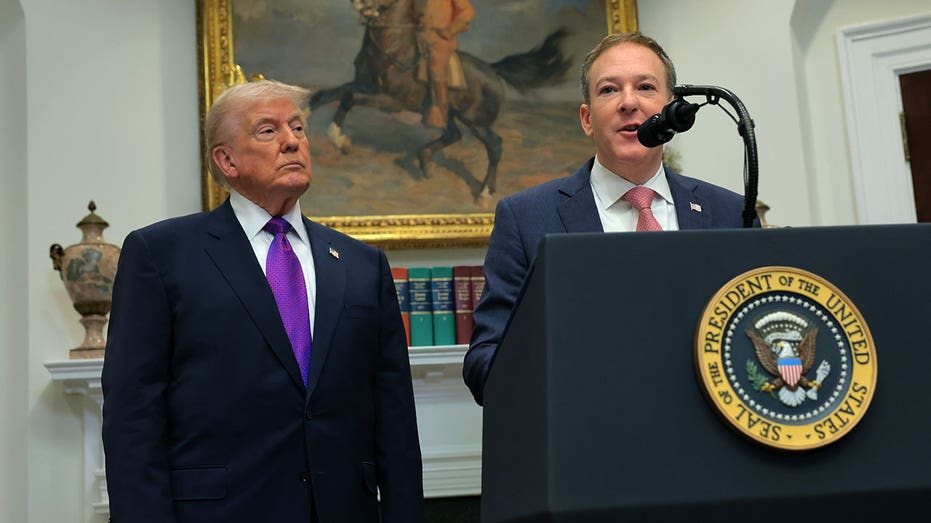
The Trump administration's decision to scrap a broad set of Biden-era power plant emissions standards is drawing strong praise from American manufacturers, who describe the move as a significant boost to the economy and a signal that their long-standing concerns are finally being heard in Washington.
Jay Timmons, president and CEO of the National Association of Manufacturers, said the rollback announced this week by EPA Administrator Lee Zeldin represents a turning point for industrial planning and investment. «It really sent a signal to manufacturers that the administration was listening to our concerns,» Timmons said, adding that the previous standards were «simply unworkable» and imposed timelines that were not feasible for the industry to meet.
The Biden administration's 2024 emissions rules for power plants had been a flashpoint between environmental regulators and manufacturers, who argued that the compliance schedule ignored the realities of industrial operations and energy reliability. Timmons noted that NAM and other groups had objected to the standards «very, very clearly» at the time, but the previous administration disagreed with their assessment. He emphasized that manufacturers share the goal of cleaner air and a healthier environment, but that the method of achieving those goals matters greatly.
While the emissions standards were removed through executive action, Timmons cautioned that lasting regulatory certainty must come from Congress. He warned that without legislative action, manufacturers face the prospect of regulatory whiplash as administrations change and priorities shift. «Uncertainty is the absolute worst enemy for manufacturers because manufacturers are on a very long-term horizon when it comes to planning and strategy, product development, research development,» Timmons said. «So, when administrations change, there has often been kind of that pendulum swing.»
The permitting process remains a top target for further reform. NAM polling cited by Timmons found that 80% of manufacturers say the length and complexity of permitting is harmful to increasing investment. Even more striking, 87% of manufacturers told the association they would expand business operations, hire more workers, or increase wages and benefits if the permitting process were more streamlined.
Timmons said it is critical for Congress to hear directly from manufacturers when drafting legislation. «There needs to be more opportunities for business to be at the table. To really explain what the art of the possible is,» he said. «No one is saying that we should not be working hard to achieve cleaner air, cleaner water, healthier communities. In fact, we're saying exactly that. We should be part of the solution to make that happen.»
The EPA's move this week is part of a broader deregulatory push by the Trump administration, which has argued that excessive environmental rules stifle economic growth and energy production. Zeldin, who has faced criticism from climate skeptics and environmental advocates alike, has defended the rollback as a necessary correction to overly burdensome regulations. The debate over power plant emissions standards has been ongoing for years, with each administration shifting the regulatory landscape in ways that create uncertainty for utilities and manufacturers alike.
For manufacturers, the immediate relief from the emissions standards is welcome, but the longer-term goal is a stable, predictable regulatory framework that allows for planning and investment without the fear of sudden reversals. Timmons' comments reflect a widely held view in the industrial sector that while executive actions can provide temporary relief, only congressional action can provide the durability that businesses need to make long-term commitments.
The push for permitting reform has gained bipartisan traction in recent years, with lawmakers from both parties acknowledging that the current system is slow, cumbersome, and often duplicative. However, finding consensus on specific changes has proven difficult, as environmental groups and some lawmakers worry that streamlining permits could weaken environmental protections. Manufacturers argue that a more efficient process can coexist with strong environmental safeguards, and that the current system often delays projects that would create jobs and economic growth.
As the administration continues to review and revise environmental regulations, manufacturers are watching closely to see whether the momentum for reform extends beyond executive actions and into the legislative arena. Timmons' remarks suggest that while the EPA's rollback is a significant step, the manufacturing sector sees it as the beginning of a longer effort to reshape the regulatory environment in ways that support both economic growth and environmental progress.