Elizabeth Warren Faces Backlash Over Endorsement of Progressive Michigan Candidate
Sen. Elizabeth Warren's endorsement of Abdul El-Sayed in Michigan's Senate primary draws criticism from conservatives, who cite her track record of backing losing or controversial candidates.
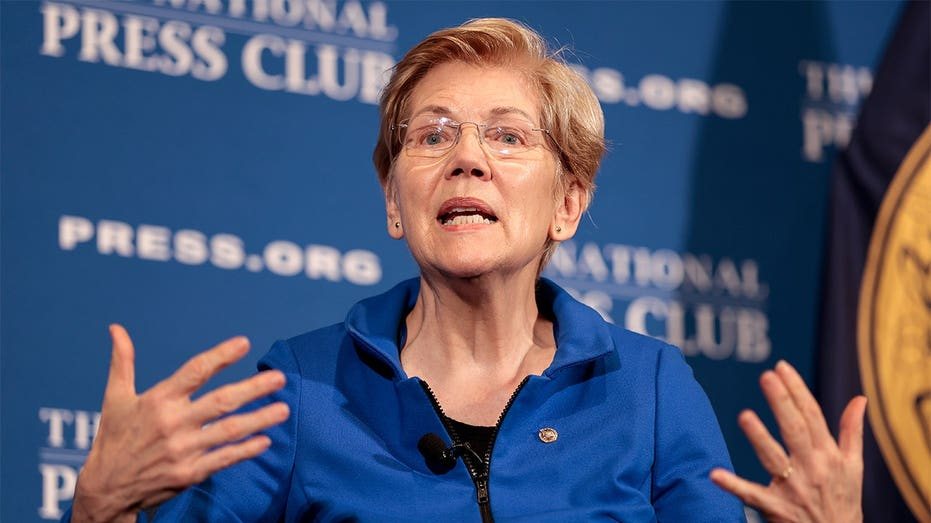
Senator Elizabeth Warren, a Massachusetts Democrat and prominent progressive voice, is facing renewed criticism from conservative commentators and political opponents after endorsing Abdul El-Sayed in Michigan's upcoming Democratic Senate primary. The endorsement has been labeled a potential "kiss of death" by critics, who point to Warren's history of backing candidates who either lost their races or faced scandals that derailed their campaigns.
Warren announced her support for El-Sayed, a former Detroit health department director and physician, on social media, praising his refusal to accept corporate donations and his commitment to universal healthcare. "Abdul is the only candidate in this race not taking corporate money, and he's fighting to get money out of politics altogether," Warren wrote on X. She also highlighted his medical background and advocacy for affordable healthcare. However, the endorsement quickly drew sharp responses from Republican officials and conservative analysts, who questioned Warren's judgment given her past endorsements.
The Republican National Committee's National Press Secretary, Natalie Baldassarre, was among the first to criticize the move, stating that Warren's endorsement should be viewed as a "kiss of death" for any Democrat seeking electoral success. "After Graham Platner's implosion, Warren's endorsement should be viewed as a kiss of death by any Democrat who actually wants to win," Baldassarre said in a statement to Fox News Digital. She accused Warren of failing to learn from her support for "toxic socialist candidates" and of dragging the Democratic Party toward electoral losses.
The reference to Graham Platner stems from Warren's earlier endorsement of the progressive candidate in a separate race. Platner, whom Warren had called "my kind of man" on the campaign trail, withdrew from his contest after facing a rape allegation, which he denied, and criticism over a chest tattoo resembling a Nazi-era symbol. Platner later apologized for the tattoo and covered it, but the episode has been cited by critics as evidence of Warren's poor judgment in candidate selection.
Warren's endorsement record this election cycle has come under scrutiny beyond the Platner case. She backed Katie Porter in California's gubernatorial race, Mallory McMorrow in Michigan's Senate race, and Zach Wahls in Iowa's Senate race. Porter and Wahls both lost their respective primaries, while McMorrow suspended her campaign before Michigan voters cast their primary ballots. These outcomes have led some observers to question Warren's ability to identify winning candidates, particularly those aligned with the progressive wing of the Democratic Party.
El-Sayed himself has faced criticism over his policy positions, including his past support for defunding the police and his views on Israel. During a recent campaign event, he dodged a direct question about whether he still supports defunding the police, a stance that has become a liability for many Democratic candidates in general elections. His ties to groups that have been accused of fueling antisemitism have also raised concerns among Jewish voters in Michigan, a key constituency in the state's Democratic primary.
The Republican Jewish Coalition was among the groups that seized on Warren's endorsement, posting on social media: "From the same person who said Nazi Tattoo-wearing Graham Platner was 'My kind of man' before dropping out in disgrace. Elizabeth Warren is a complete and total joke." Fox News Contributor Paul Mauro described the endorsement as "the hate America Red/Green alliance, embodied," while conservative commentator Robby Soave wrote, "The kiss of death. Now he's doomed." Former U.S. Ambassador to Israel David Friedman also weighed in, questioning Warren's consistency on campaign finance reform, writing, "You say that taking 'corporate money' is forbidden but you are OK with him taking Super PAC contributions from radical Islamists."
The controversy over Warren's endorsement comes amid a broader ideological struggle within the Democratic Party, as progressive and moderate factions vie for control ahead of the 2026 midterm elections. Far-left and socialist candidates have recently scored victories in deep-blue congressional districts in New York City and Colorado, defeating more moderate incumbents. These wins have emboldened progressives, who are now targeting statewide races in Michigan, Wisconsin, and Minnesota. However, the party's center-left establishment, including figures like former New York Governor Andrew Cuomo, has pushed back, arguing that socialist policies are electorally unviable and risk alienating swing voters.
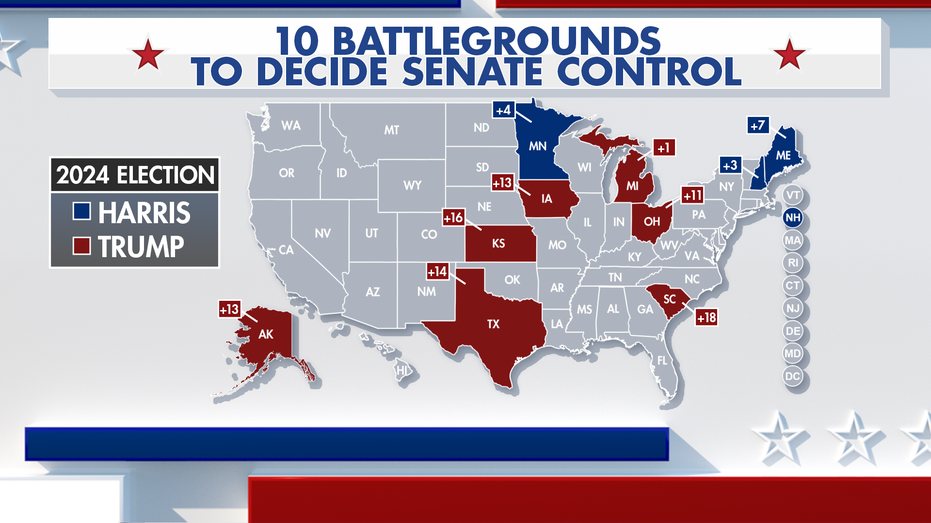
El-Sayed is running in a competitive Democratic primary that includes other candidates, and the outcome could have implications for the general election in November. Michigan is a key battleground state, and the Democratic nominee will face a Republican challenger in a race that could determine control of the Senate. Critics of Warren's endorsement argue that by backing a candidate with controversial views and a history of losing campaigns, she may be undermining the party's chances in a must-win state.
Warren's office did not immediately respond to a request for comment on the criticism. The senator has long championed progressive policies, including Medicare for All, tuition-free public college, and a wealth tax, and remains a influential voice among the party's left flank. Her endorsement of El-Sayed reflects her continued commitment to candidates who reject corporate money and advocate for systemic change, even as the political landscape grows more contentious.
94