DOJ antitrust division told to pause cooperation with Canada amid trade dispute
The Justice Department's antitrust division was directed to halt work with Canadian authorities this week as trade tensions between the U.S. and Canada escalate, though the DOJ disputes the scope of the reported directive.
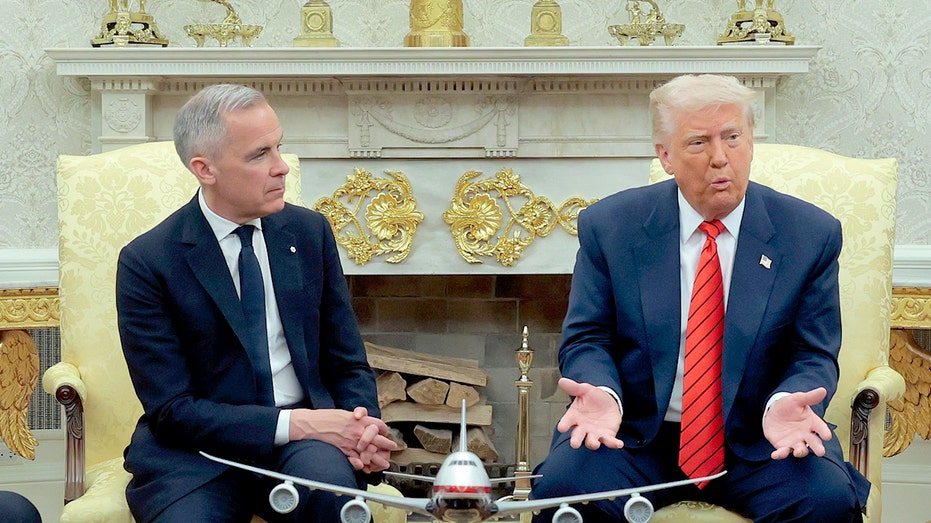
The U.S. Justice Department's antitrust division was directed earlier this week to pause all work with the Canadian government as the trade dispute between the neighboring nations intensifies, according to a report. Lynda Marshall, chief of the antitrust division's international section, ordered officials on Wednesday to halt all cooperation on cases and engagement on policy issues with Canadian authorities, without providing a reason for the directive, according to emails obtained by The Wall Street Journal. Section chiefs in the antitrust division were also instructed in another email on Friday to provide lists outlining areas of cooperation with Canada by the end of the day, the newspaper reported.
The DOJ disputed the report, saying in a statement that the "alleged direction was never given to anyone." The division was asked to "temporarily hold off on a scheduled meeting on a specific investigation until the DOJ's antitrust team had more time to prepare," the department said. The clarification comes as the U.S. and Canada, which have been close allies for decades, continue to spar over President Donald Trump's trade war against Ottawa and subsequent targeting of the U.S.'s northern neighbor.
The most recent flashpoint in the dispute was Trump's executive order to rename Lake Ontario to "Lake America." Although the renaming only applies to the U.S. federal government, while Canada, other international bodies and U.S. states are not forced to follow the rebranding, the order adds to the ongoing tensions between the two countries that arose following Trump's return to the White House in January 2025. The trade war has led to tariffs on tens of billions of dollars in cross-border trade.
The Canadian government said it would impose retaliatory tariffs on the U.S. beginning Sept. 8 in response to the Trump administration's new 50% tariffs on about $20 billion worth of Canadian goods, which took effect last month. Prime Minister Mark Carney said Canada "will match Washington's new tariffs dollar for dollar in order to protect Canadian workers, farmers, families, and businesses."
The reported pause in antitrust cooperation would mark a significant shift in a relationship that has historically included joint enforcement efforts on competition matters. The two nations have collaborated on antitrust issues ranging from merger reviews to investigations of alleged anticompetitive conduct affecting cross-border markets. A prolonged freeze could affect pending cases that require coordination between U.S. and Canadian competition authorities.
The dispute has broader implications beyond antitrust enforcement. The tariff fight has disrupted supply chains and raised costs for businesses and consumers on both sides of the border. The Sept. 8 retaliatory tariffs are expected to target a range of American goods, potentially including agricultural products, manufactured items, and consumer goods. Canadian officials have framed their response as defensive, aimed at protecting domestic industries from what they describe as unjustified U.S. trade actions.
The situation remains fluid, with the DOJ's denial suggesting that the scope of the directive may be narrower than initially reported. The department's statement indicated that any hold on engagement was limited to preparation for a specific scheduled meeting rather than a blanket freeze on all Canadian cooperation. Still, the episode underscores how the trade dispute has begun to affect areas of government-to-government collaboration that extend well beyond tariffs and border commerce.
150